
ERBIL, Kurdistan Region - Iraq’s health minister said Sunday that meningitis cases do not amount to an epidemic, citing higher case numbers in previous years and stressing that most infections are not fatal. The Kurdistan Regional Government (KRG) echoed the assessment, reporting no unusual increase in cases.
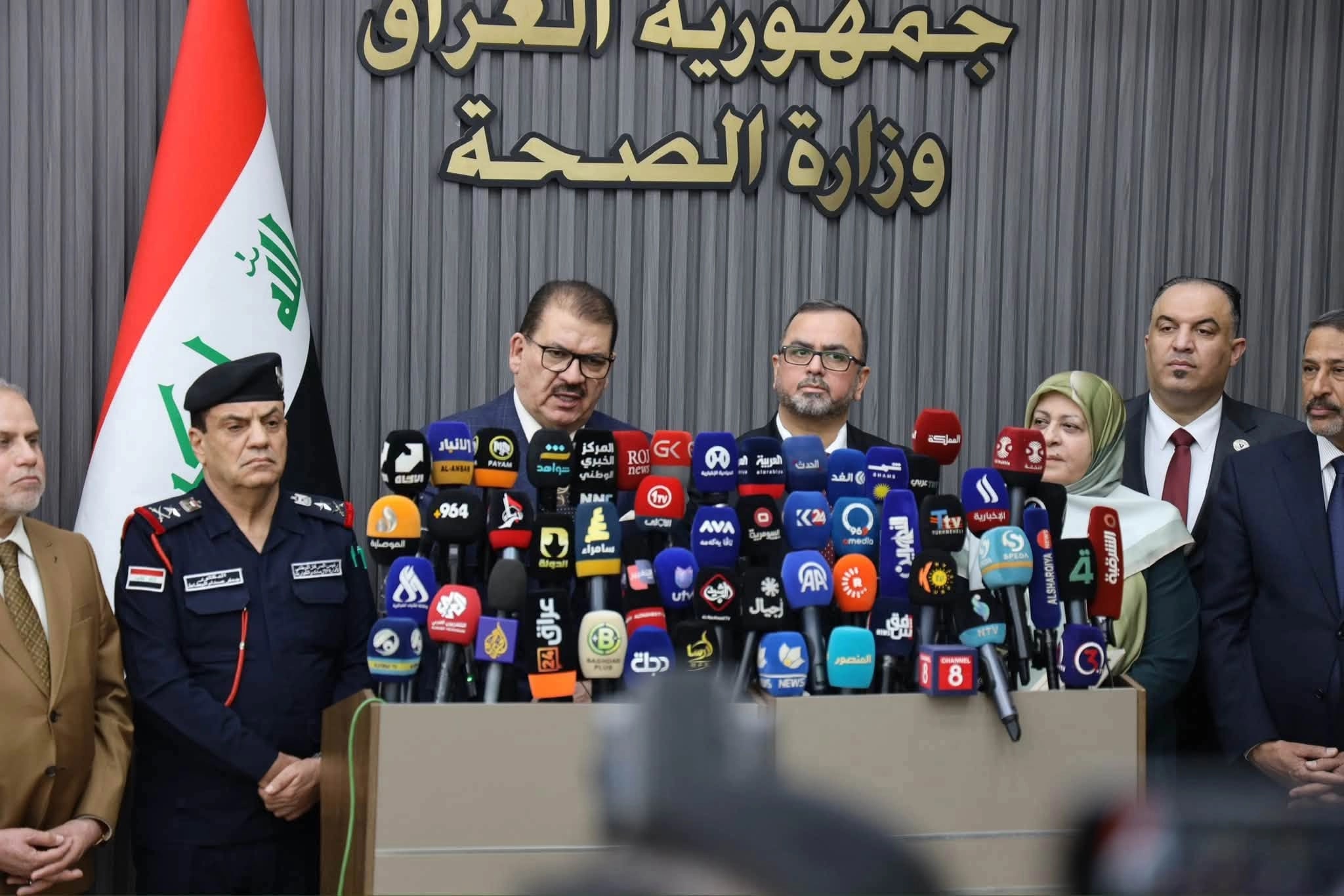
"The term epidemic is a global term; it is not by my mood that I say today I have an epidemic of meningitis spreading," Abdul Hussein al-Moussawi stated in a press conference shared by the Ministry of Health on Sunday, pointing to 6,200 cases recorded nationwide in 2023, which authorities also did not classify as an epidemic.
Meningitis is an inflammation of the membranes surrounding the brain and spinal cord and can be caused by bacteria, viruses, fungi and parasites. Bacterial meningitis is particularly dangerous and can lead to death or lasting neurological complications.
His remarks come as the country has recorded 4,358 cases of meningitis since the beginning of the year, with 15 deaths in Wasit province, where authorities have cancelled classes and postponed examinations this week amid fears of an outbreak.
According to Moussawi, the national count includes the Kurdistan Region and that reported figures are largely "suspected" rather than "probable" or "confirmed" cases.
He also stated that in "more than 92 or 90 percent" of the 15 reported deaths in Wasit, "the cause of their death is encephalitis and not meningitis,” stressing that “there is a big difference for specialists between encephalitis and meningitis in terms of infection, spread, and outcome."
Meanwhile, the KRG health ministry stated on Sunday that it has recorded "isolated incidents similar to previous years and align[ing] with global epidemiological standards," while noting there is no "abnormal increase" in cases as health teams continue to monitor schools and public places.
"Currently, there is no need for panic or any precautionary measures to suspend daily affairs or the educational process," the statement read.
Also, the director of Hevi pediatric hospital in Duhok, Nizar Bakir, told Rudaw’s Hoshmand Mohammed earlier in the day that around 70 cases of meningitis have been recorded since the start of the year, emphasizing that there are currently no patients with the disease in the hospital.
The Iraqi officials have inspected 700 schools in Wasit and found no “single school with two students having suspected meningitis cases," Moussawi said, noting that the disease has viral, fungal, parasitic and bacterial causes.
According to him, bacterial meningitis is the most dangerous form of the disease and requires focused follow-up, treatment and preventive measures. "More than 92 percent of the cases on which tests were performed showed a negative result toward bacterial analysis," the Iraqi minister said.
Health authorities in several other Iraqi provinces, including Kirkuk, Muthanna, Qadisiyah and Salahaddin, have introduced precautionary measures while reassuring residents that no confirmed cases have been recorded in their respective provinces.