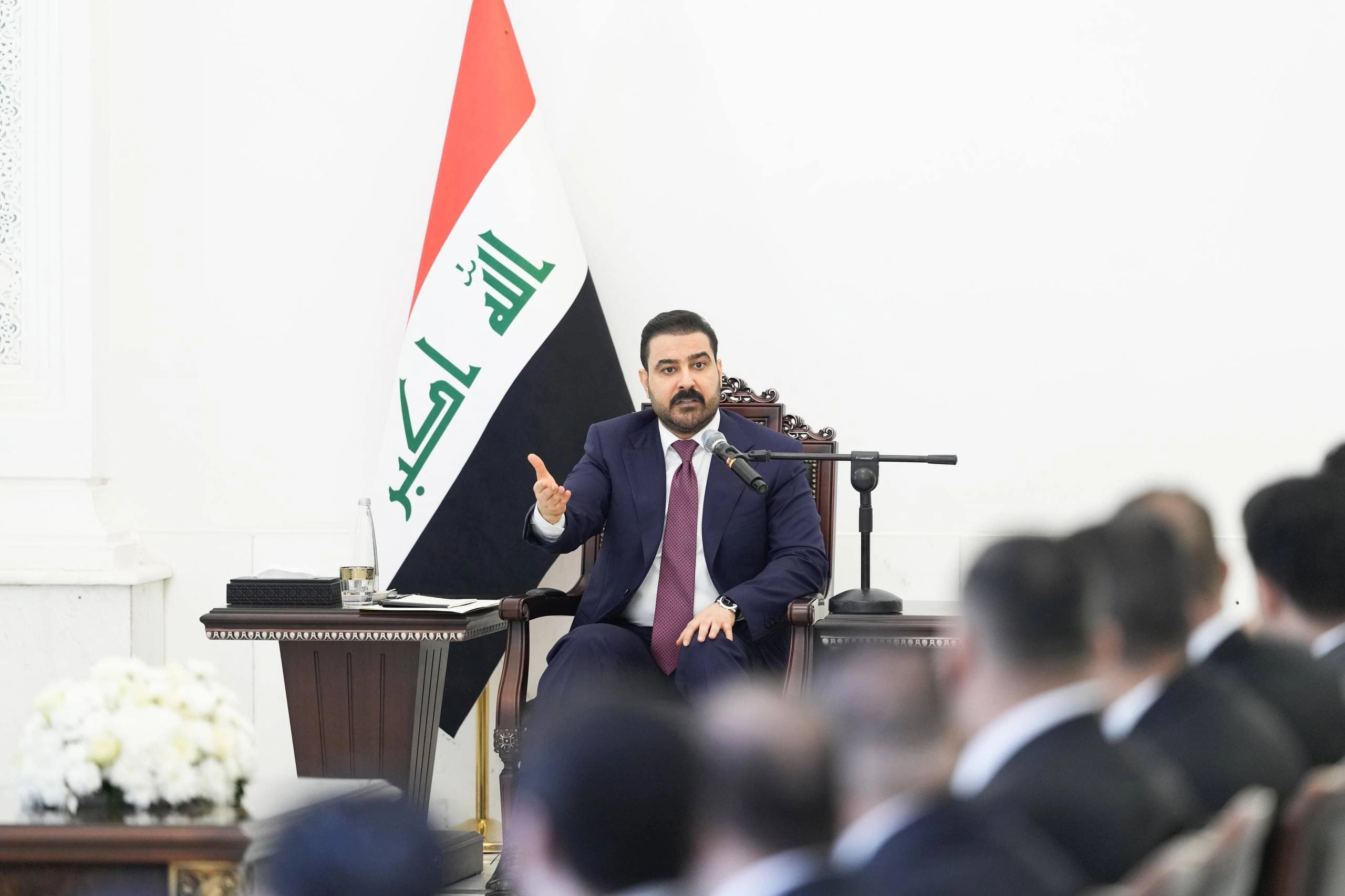

ERBIL, the Kurdistan Region - Iraqi Prime Minister Ali al-Zaidi on Sunday reaffirmed his commitment to bringing weapons held by armed factions under state control, warning of legal action against groups that refuse to comply, during a visit to western Iraq’s Anbar province.
“We have emphasized that no weapons—outside the authority of the state—will be permitted if they threaten security or are used to extort citizens; such instances will be confronted with the full force of the law, as the current phase is one of construction and development.,” Zaidi told a gathering of Anbar’s governor, local officials, and members of parliament.
The PM also said he would “continue addressing the issues of combating corruption and consolidating arms under the control of the state, as these are fundamental pillars for establishing stability” in a meeting with the province’s tribal leaders.
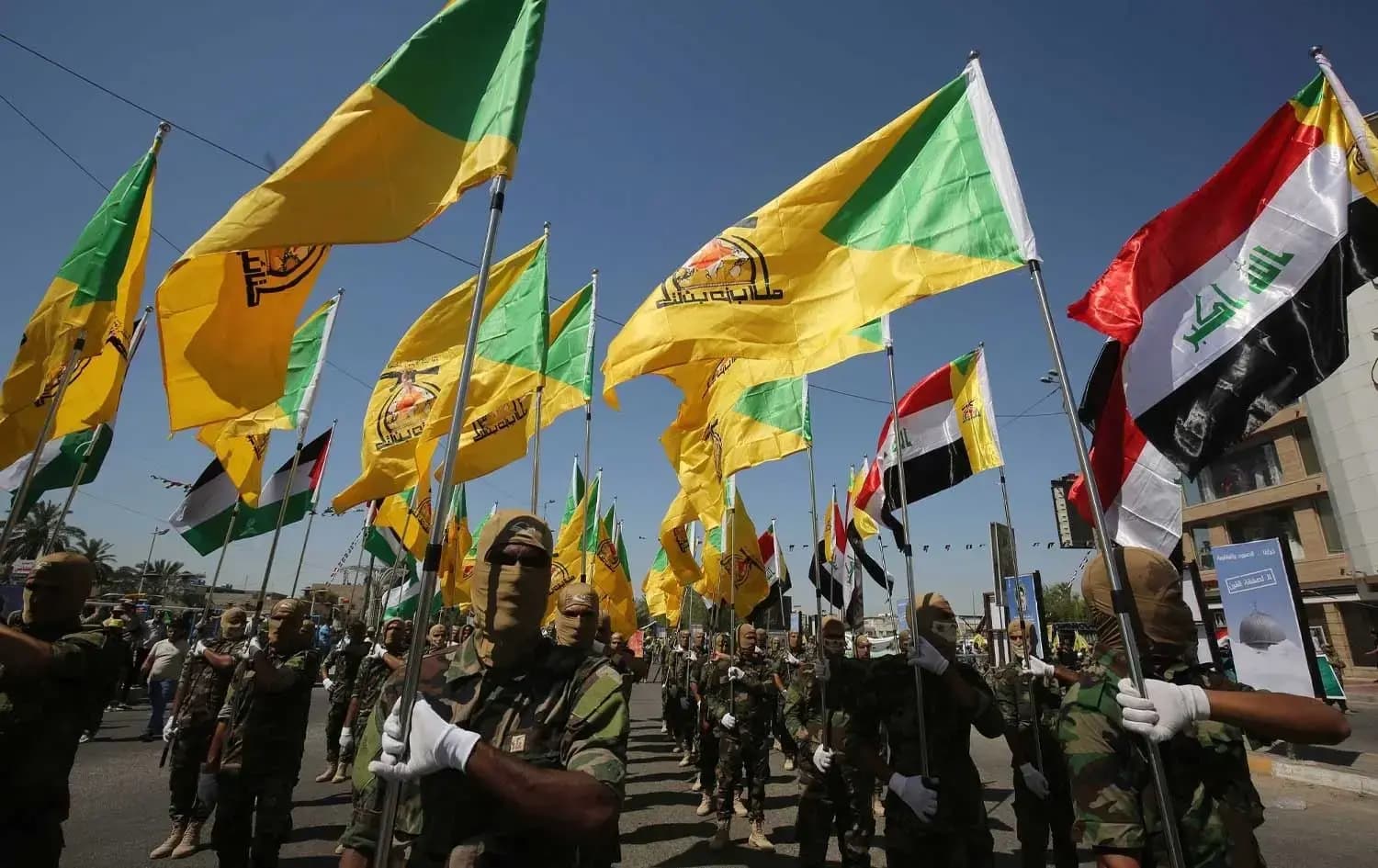
Zaidi’s statement comes amid heightened tensions between Baghdad and armed factions with the pro-Iran Islamic Resistance in Iraq (IRI). Baghdad faces domestic and international pressure to bring Tehran-backed factions under government authority as well as to enforce their disarmament.
The PM’s vow came as the Iraqi News Agency (INA) reported Saturday that the premiere ordered the cancellation of three commercial contracts at Mosul International Airport, alleging links to as yet unknown armed factions.
According to the Iraqi News Agency (INA), citing a source, Zaidi has directed “the cancellation of the contract of 'Sky Plus' company for leasing counters at Mosul Airport against the backdrop of its links to armed groups, and its referral to international companies."
The source told INA that the premier also ordered the termination of contracts with Sama al-Matar, which leased the airport's uncovered internal parking lot, and al-Faisal al-Shamekh, which leased the airport taxi office, over their affiliations with armed factions, referring both concessions to international firms.
Kata’ib Hezbollah, a holdout group yet to budge to the government’s disarmament program, issued a statement that accused Zaidi and an aide of corruption as well as denying control of commercial contracts at Iraqi airports.
US Special Envoy for Syria and Iraq, Tom Barrack, praised Zaidi’s actions regarding the contracts, saying the PM was “sending a clear message.”
“Militia influence has no place in Iraq’s institutions. Iraq’s future belongs to its people, not armed factions operating outside the state. Sovereignty in action,” Barrack said in a post on X on Sunday.
Baghdad initially sought to resolve the issue of armed factions within its borders by September 30, coinciding with the end of the US-led coalition mission in Iraq. The deadline was later extended to the end of June 2027.
Several Iran-backed factions have disputed the timetable, arguing that no final agreement had been reached.
Kataib Sayyid al-Shuhada, one of the holdout factions, on Saturday rejected statements by Iraqi Foreign Minister Fuad Hussein concerning its commitment to relinquish weapons, insisting that it had never agreed to surrender its arms.
The pro-Iran group confirmed that it had signed a document known as the “Sovereignty Agreement,” alongside other armed factions, representatives of the Coordination Framework, and the prime minister, but maintained that the agreement did not constitute a commitment to disarm.
“Kataib Sayyid al-Shuhada signed the Sovereignty Agreement document, which was signed by the four factions alongside representatives of the Coordination Framework and the prime minister, and remains committed to its provisions,” the group said in a statement. It stressed that it had never “announced, adopted, or signed any position concerning its weapons.”
The denial comes more than a month after Kataib Sayyid al-Shuhada announced in the beginning of October that it had accepted an agreement with Baghdad and would abide by the prime minister's commitments on bringing weapons under state control, provided other parties fulfilled their obligations.
At the time, government spokesperson Saif al-Numan identified the group as one of two factions that had abandoned independent military activity. The group's latest statement, however, insists it never announced, adopted, or signed any position concerning its weapons, raising questions about the scope of the agreement and Baghdad's characterization of its commitments.