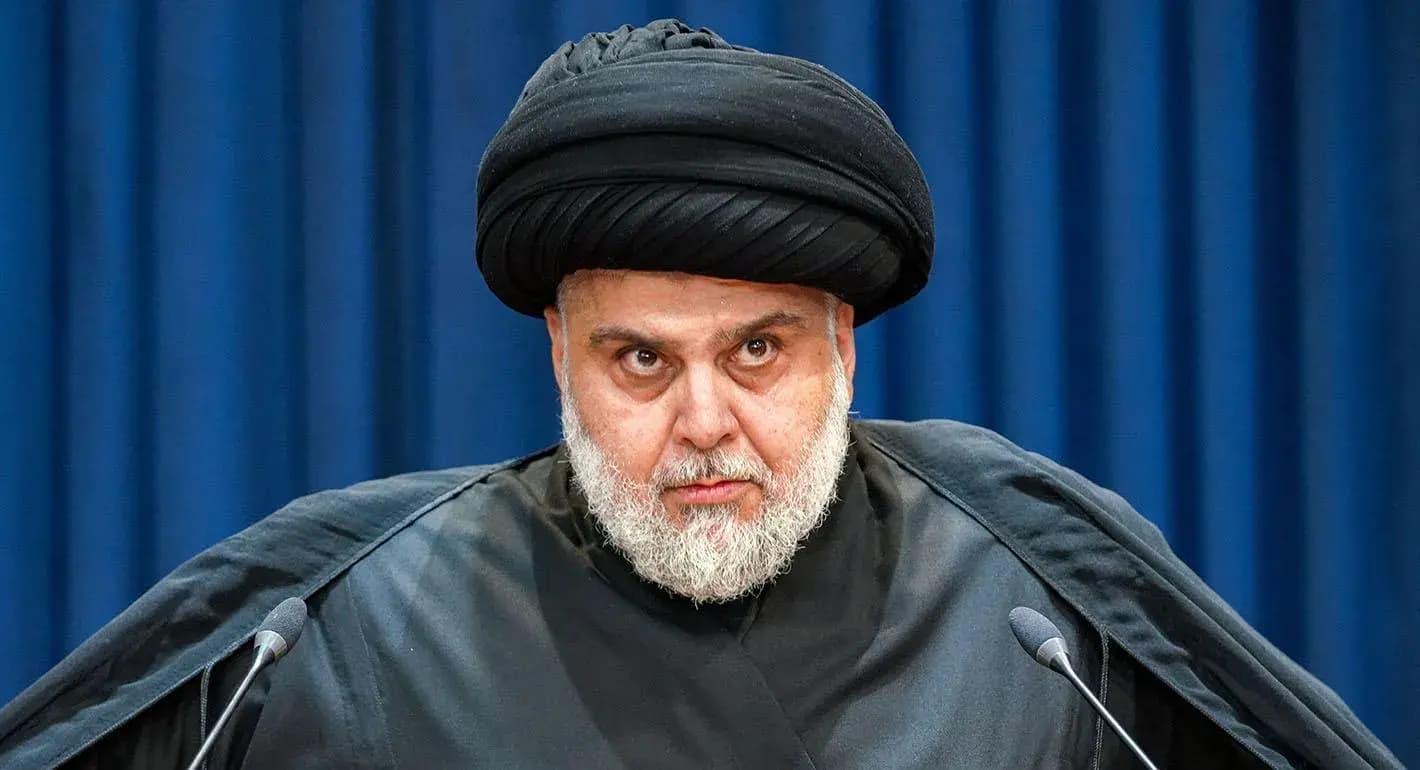

ERBIL, Kurdistan Region - Influential Iraqi Shiite cleric Muqtada al-Sadr on Sunday called for peaceful protests at schools and universities across Iraq on Thursday against restrictions on wearing the Islamic hijab in some countries, days after condemning new school regulations banning hijabs in Azerbaijan.
“I find that it would be in the interest of religion, belief, and humanity to hold a unified protest, at the same time, in Iraq’s all-female or mixed schools, and public and private universities against decisions to ban the hijab (Islamic veil) in some countries of the world and to support the freedom of dress,” said Sadr in his statement.
He called for the protests to take place on the next Thursday morning, stressign that they should be “peaceful, organized and last only a few minutes” to avoid disrupting classes.
Sadr's call comes amid growing controversy over restrictions on Islamic headscarves in Azerbaijan. New school regulations that took effect in Azerbaijan last Monday do not explicitly mention the hijab, but students and teachers wearing Islamic headscarves have reportedly been denied access to educational institutions, triggering protests, arrests and criticism from religious and political figures abroad.
The cleric instructed participants not to raise any pictures or flags other than the Iraqi national flag.
Sunday’s statement was Sadr’s second statement on the controversy in less than a week.
On Tuesday, he condemned the Azerbaijani authorities over the restrictions, describing them as “extreme secularism” comparable to the extremism of the Islamic State (ISIS).
“Such decisions represent extreme secularism, which is equivalent to ISIS extremism,” Sadr said, warning that the measures could fuel religious extremism rather than promote moderation.
He argued that secularism should protect individual freedoms and that prohibiting the hijab would not liberate women or make Azerbaijani society more secular.
Sadr said he did not intend to interfere in Azerbaijan’s internal affairs but believed he had a religious obligation to speak out.
In a Friday statement, Amnesty International condemned the restrictions as discriminatory and called for their reversal, saying they violated the rights to education, religious freedom, and freedom of expression.
According to Amnesty, Azerbaijan’s Interior Ministry reported the detention of 37 people during protests in the capital, Baku, last Monday, while activities reported more than 200 detentions.
The rights organization also called for the immediate release of people detained for participating in peaceful protests.
The dispute has also drawn criticism from Turkey, Azerbaijan's close regional ally.
Oktay Saral, a senior adviser to Turkish President Recep Tayyip Erdogan, condemned the exclusion of hijab-wearing students from schools, describing the restrictions as unacceptable.
“A headscarf is not an obstacle; it is a requirement of religious belief,” Saral said, urging Baku to reverse the measures.
Azerbaijan's ruling New Azerbaijan Party responded last Tuesday by describing the Turkish criticism as “populist and irresponsible,” arguing that the country's school regulations were based on equality, secularism and the rule of law.
The party warned Turkish officials against interfering in Azerbaijan’s domestic affairs, saying the two countries’ close relationship did not justify imposing political or ideological views on one another.

_0.jpg.webp&w=3840&q=75)