
ERBIL, Kurdistan Region - The Kurdistan Regional Government (KRG) has proposed helping Baghdad introduce its 24-hour electricity program in Kirkuk or Nineveh as a pilot project, a senior Kurdish official said Tuesday, arguing that Iraq could benefit from the Region's experience in reducing electricity demand and improving power distribution.
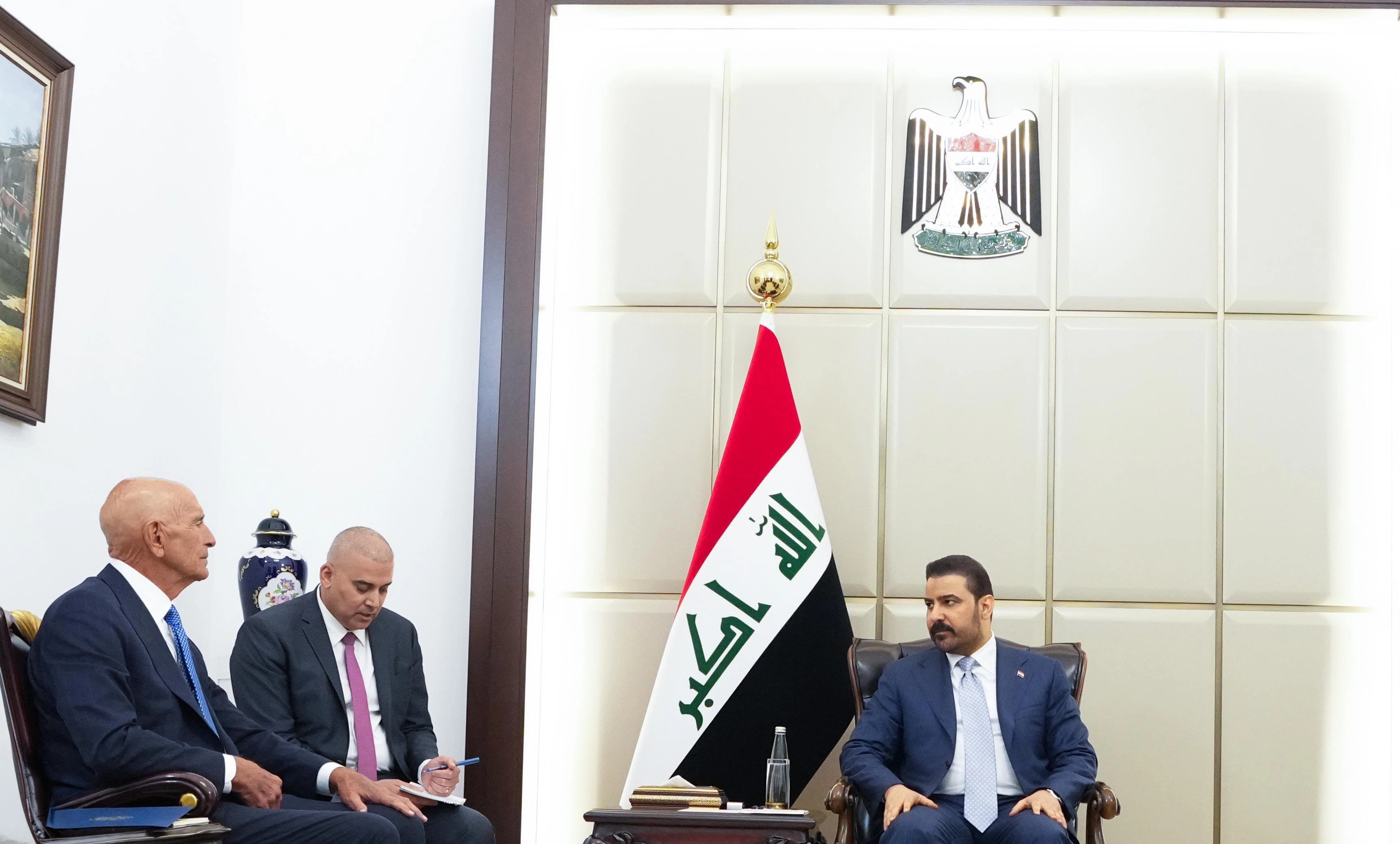
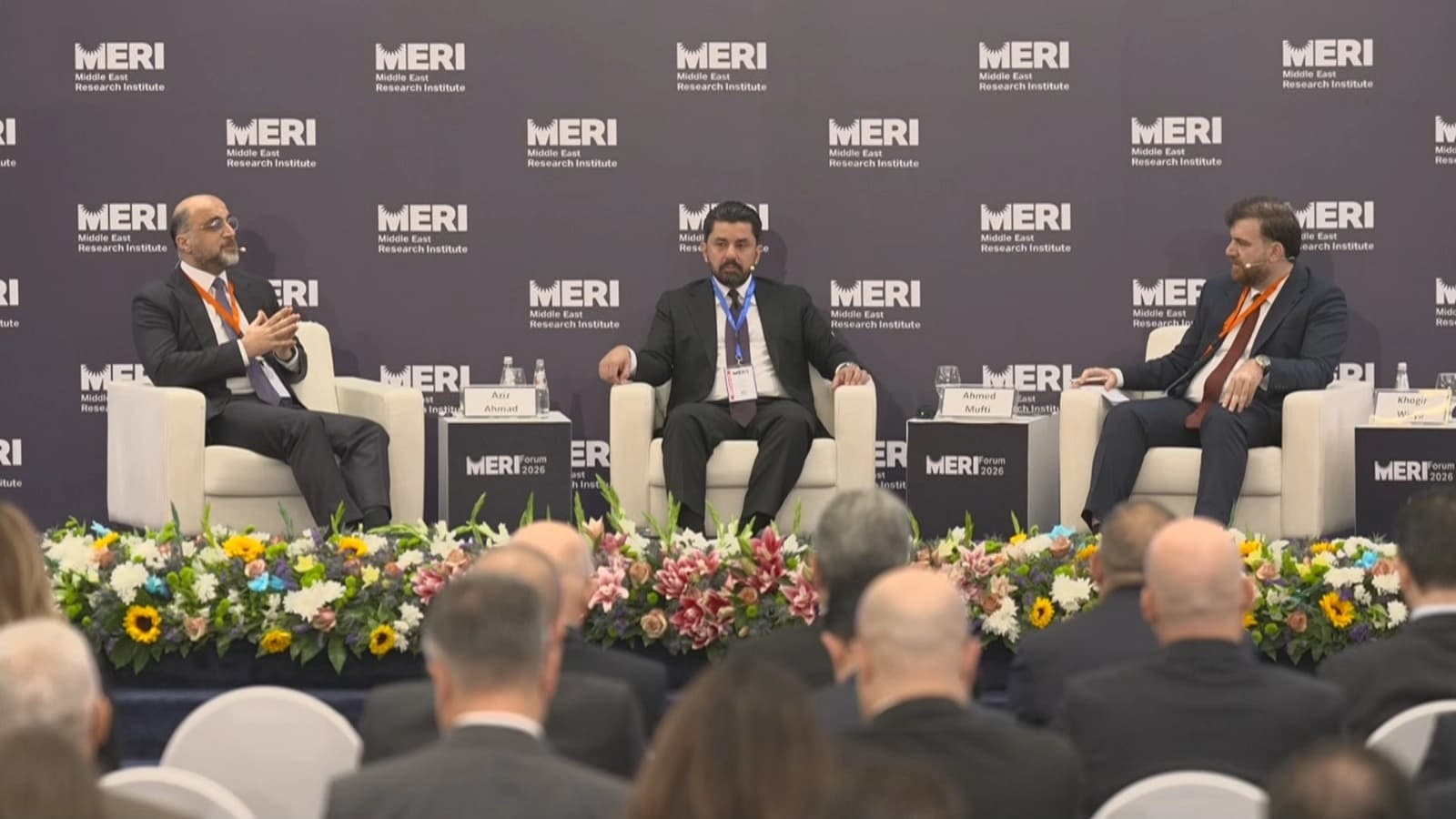
Speaking at the annual Middle East Research Institute (MERI) Forum in Erbil, Aziz Ahmad, deputy chief of staff to KRG Prime Minister Masrour Barzani, said the proposal had been presented to Iraqi Prime Minister Ali al-Zaidi, but that its implementation depended on Baghdad's approval.
"They have to decide. It is a political decision whether they will accept KRG coming in and helping them out. This isn't a technical issue, as we have demonstrated in the Kurdistan Region," Ahmad said.
The proposal comes as Iraq continues to struggle with chronic electricity shortages despite its large oil and gas resources, while the Kurdistan Region expands its flagship Runaki - “light” in Kurdish - initiative to provide 24-hour electricity to all households and businesses by the end of 2026.
Kurdish officials say the program's experience in managing electricity consumption and reducing dependence on private generators could help Baghdad address similar challenges.
Ahmad said electricity demand in the Kurdistan Region had fallen significantly over the past year and a half, from an estimated 8,000 megawatts to between 4,000 and 4,500 megawatts, as the program expanded.
He argued that the federal government's projections of electricity demand could similarly be overestimating the amount of power actually needed.
"Iraq believes to this day that electricity demand is 70 gigawatts. If we go by these numbers, Iraq would need to produce 20 times the electricity produced by the Kurdistan Region. This is simply illogical," he said.
Ahmad urged Baghdad to reconsider its demand forecasts and adopt a gradual approach to electricity reform, beginning with a single district or neighborhood before expanding nationwide.
"We started with one neighborhood in Erbil, and they can start in a district or a sub-district," he said.
The Kurdistan Region already supplies electricity to federal Iraq, with the Iraqi Electricity Ministry reporting in August that Baghdad was purchasing between 1,200 and 1,400 megawatts from the Region.
Ahmad said replicating the program in federal Iraq would require overcoming resistance from private generator operators, some of whom have ties to influential political parties.
He estimated that Baghdad would have to contend with around 30,000 generator owners, compared with approximately 1,000 owners the KRG had dealt with during its own reforms.
Ahmad said the KRG expected to make around 2,000 megawatts available for export to federal Iraq next year, but cautioned that expanding generation without accurately assessing demand could create unnecessary costs.
He added that the Kurdistan Region's electricity demand was increasing by approximately five percent annually.
Despite the progress of Runaki, Ahmad acknowledged that ensuring the program's long-term financial sustainability remained a major challenge.
He estimated that the Kurdistan Region's electricity system costs approximately $2 billion annually, with monthly expenditure exceeding $200 million.
Runaki currently generates around $80 million in monthly revenue, he said, including approximately $20 million allocated to salaries.
Ahmad argued that the disparity between expenditure and revenue demonstrated the need for reforms to electricity subsidies and a sustainable financing model.
He also cited the depreciation of the Iraqi dinar as an additional financial burden, explaining that payments to foreign gas producers were denominated in dollars while electricity revenue was collected in dinars.
"Every month, I am on the line with Mr. Ahmed with regards to Dana Gas' invoice. Their expenses are in dollars, while our income is in dinars, and now we have to account for the 12 percent difference," Ahmad said.
However, he stressed that the KRG did not intend to pass those additional costs on to households through higher electricity prices.
The Runaki program, launched in October 2024, has brought round-the-clock electricity to approximately 90 percent of the Kurdistan Region's population, according to government figures.
It also aims to phase out thousands of neighborhood diesel generators that households and businesses have relied on for decades to compensate for shortages in the public electricity network.
Untapped gas resources
Ahmed Mufti, deputy minister of natural resources in the KRG, argued that Iraq's electricity shortages were also a consequence of insufficient investment in domestic natural gas production, forcing the country to rely on expensive alternative fuels.
Mufti said Iraq, including the Kurdistan Region, produces approximately three billion cubic feet of natural gas daily, with the Region accounting for 37 percent of the total.
He estimated that Iraq would need to produce around eight billion cubic feet per day to meet its electricity requirements through gas-fired generation.
Despite Iraq's substantial gas reserves, Mufti criticized successive federal governments for failing to develop major gas fields, arguing that billions of dollars were being spent on fuels that could be replaced by domestically produced natural gas.
He claimed Baghdad was spending around $10 billion on alternative fuels, including diesel, for electricity generation, and urged the government to redirect the money toward developing untapped gas resources.
"I am saying this to the government of Prime Minister Zaidi. Invest these $10 billion in the four gas fields, which are left without any real work since 2003," he said.
Mufti identified Akkas, Mansuriyah, Khashm al-Ahmar and gas resources in Diyala as areas requiring greater investment, arguing that bureaucratic obstacles and outdated approaches to energy policy had hindered their development.
He called for a shift toward a "gas-to-wire" strategy, prioritizing domestic natural gas production for electricity generation instead of relying on imported gas and more expensive liquid fuels.
"We should stop importing gas from outside. We should stop ignoring the development of our gas fields," he said.
Mufti contrasted the federal government's approach with the Kurdistan Region's reliance on foreign investment to develop its gas sector.
"The Kurdistan Region has managed to produce natural gas thanks to foreign funding," he said, arguing that cooperation between Baghdad and Erbil could help Iraq address its energy shortages.
The Khor Mor gas field in Sulaimani province, operated by Dana Gas and Crescent Petroleum, has become central to the Region's electricity generation.
Its processing capacity reached 750 million cubic feet per day following the completion of an expansion project in October 2025.
Mufti said the Kurdistan Region could eventually increase overall gas production to between two billion and three billion cubic feet daily by developing additional fields, including Chamchamal, Kurdamir and Topkhana.
However, both speakers acknowledged that the Region's dependence on Khor Mor had exposed its electricity system to considerable security risks.
The field was shut down twice this year amid threats linked to the war involving Iran, disrupting gas supplies and electricity generation.
Ahmad described Khor Mor as a critical vulnerability, stressing the need to diversify gas production to prevent disruptions at a single facility from affecting electricity supplies across the Region.
Mufti likewise warned that further investment would depend on protecting energy facilities from drone and missile attacks.
Both officials argued that Iraq could improve its electricity supply through closer cooperation between Baghdad and Erbil, increased domestic gas production and reforms to electricity management.