
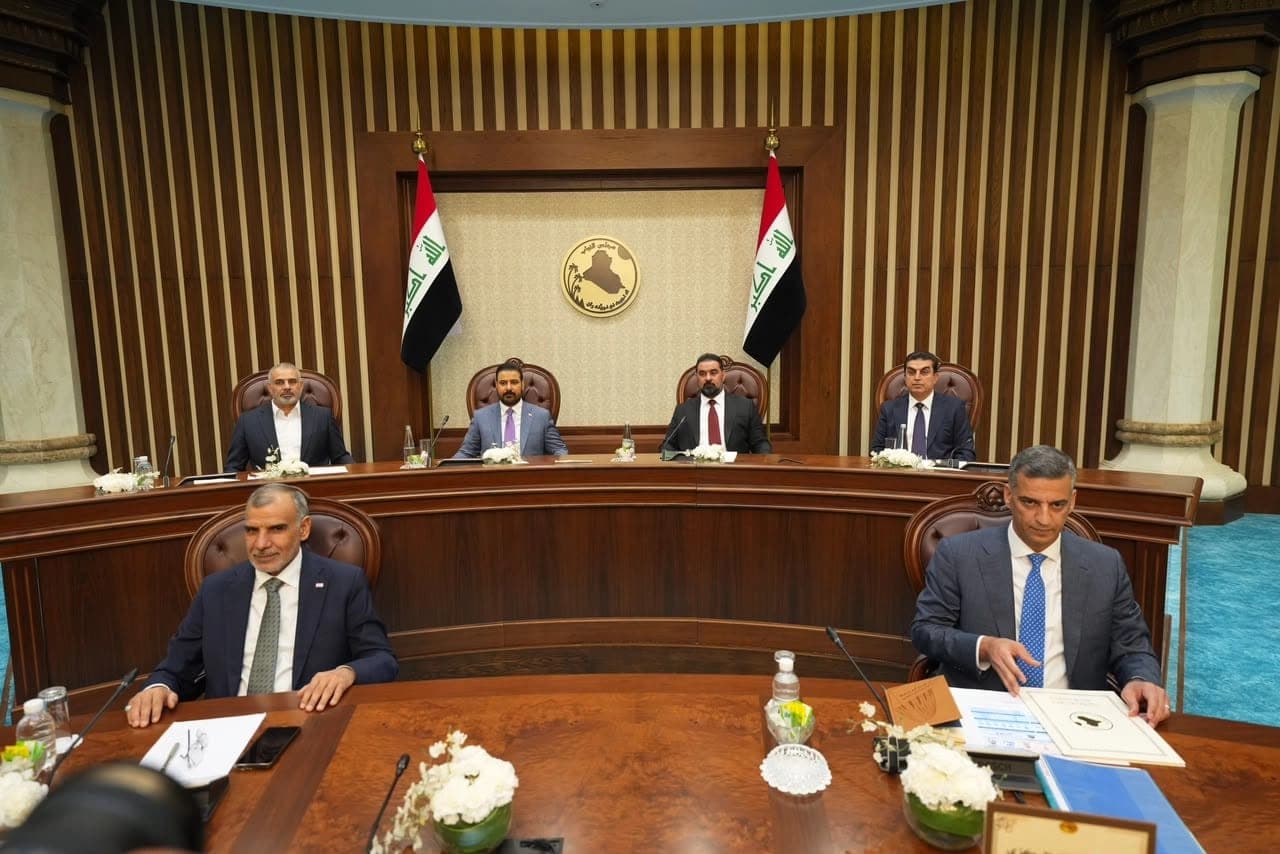

ERBIL, Kurdistan Region - Iraqi Prime Minister Ali al-Zaidi appeared before parliament on Thursday to defend his cabinet’s decision to devalue the Iraqi dinar against the US dollar, a move that has sparked public anger and protests across several provinces.
“We are living under overwhelming circumstances and an undeclared blockade due to the war and the closure of the Strait of Hormuz, and we do not want to resort to borrowing in order to avoid further burdening the economy,” Zaidi told lawmakers.
The remarks came a day after the Central Bank of Iraq (CBI) implemented new exchange rates for the dinar following a cabinet decision on Tuesday to devalue the currency, raising the official end-user rate from 1,320 dinars per US dollar to 1,520.
“I took office while our economy was besieged due to the halt in oil exports and the closure of the Strait of Hormuz,” Zaidi said, noting that “in front of us were three options: the first was resorting to compulsory savings, leaving employees to survive on promises; the second was distributing salaries every 45 days; and the third was resorting to borrowing, drowning a country already heavily burdened by debt.”
Iraq relies heavily on US dollars earned from oil exports to finance imports and stabilize its currency. However, regional disruptions have sharply reduced oil revenues and widened the country's fiscal shortfall.
Crude exports plunged from more than 99 million barrels in February to around 18.6 million barrels in March. Although exports partially recovered to around 73.7 million barrels by August, they remained below pre-war levels.
The revenue shortfall forced the government to rely initially on discounting bills at the central bank, which said the devaluation was aimed at achieving sustainable economic stability and comprehensive development.
“I assumed this role with the public debt exceeding 208 trillion dinars, while the government was required to secure 10 trillion dinars monthly,” Zaidi explained, noting that despite the crisis “we secured the salaries.”
The prime minister also blamed speculators for exploiting the gap between official and parallel market exchange rates, seeking to reassure lawmakers that additional dollar supplies would soon become available.
“In the coming few days, significant amounts of dollars will arrive, and we will inject them into circulation,” he said.
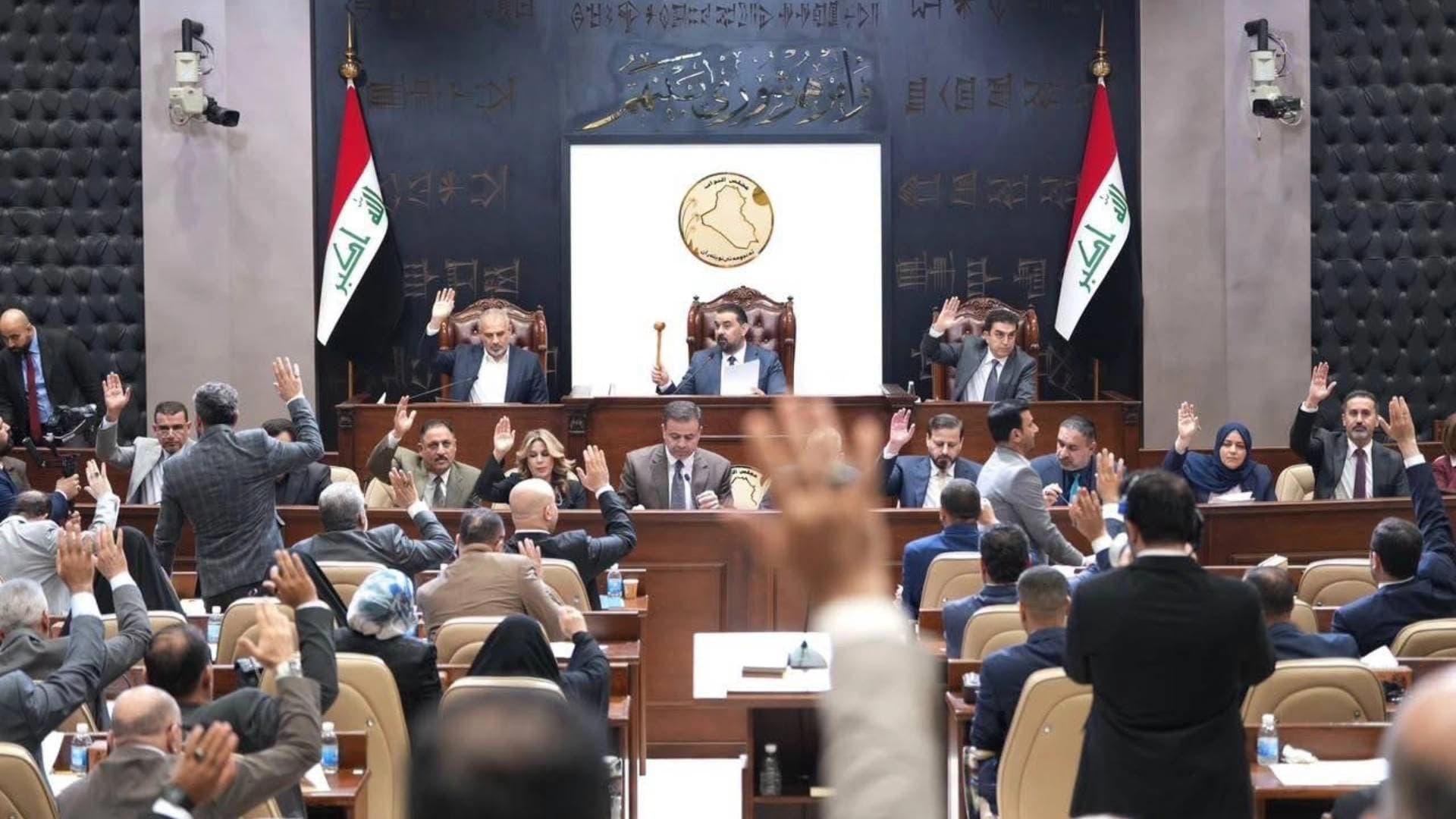
Despite the public backlash, Iraqi parliament speaker Haibat al-Halbousi ruled out reversing the decision.
“The decision to change the exchange rate is irreversible,” Halbousi said, adding that “the leaders of the political blocs support the decision.”
Finance Minister Falih al-Sari also sought to reassure the public over the government's ability to pay salaries.
"We are committed to paying monthly salaries amounting to 7.7 trillion dinars," Sari said, announcing that "the share of non-oil revenues in the upcoming budget is 19 percent, compared to 11 percent in the previous budget."
Meanwhile, Akram al-Kaabi, leader of the Iran-aligned armed faction Harakat Hezbollah al-Nujaba, criticized the government's handling of the financial crisis, arguing that the country's economic problems could not be resolved through decrees alone.
He urged decision-makers to adopt practical measures that prioritize citizens' purchasing power rather than concerns driven by foreign adversaries.
Protests erupted Thursday in several Iraqi provinces, including Baghdad, Basra, Najaf and Muthanna, as public anger mounted over the devaluation and its potential impact on living costs.
.jpg&w=3840&q=75)
.webp&w=3840&q=75)