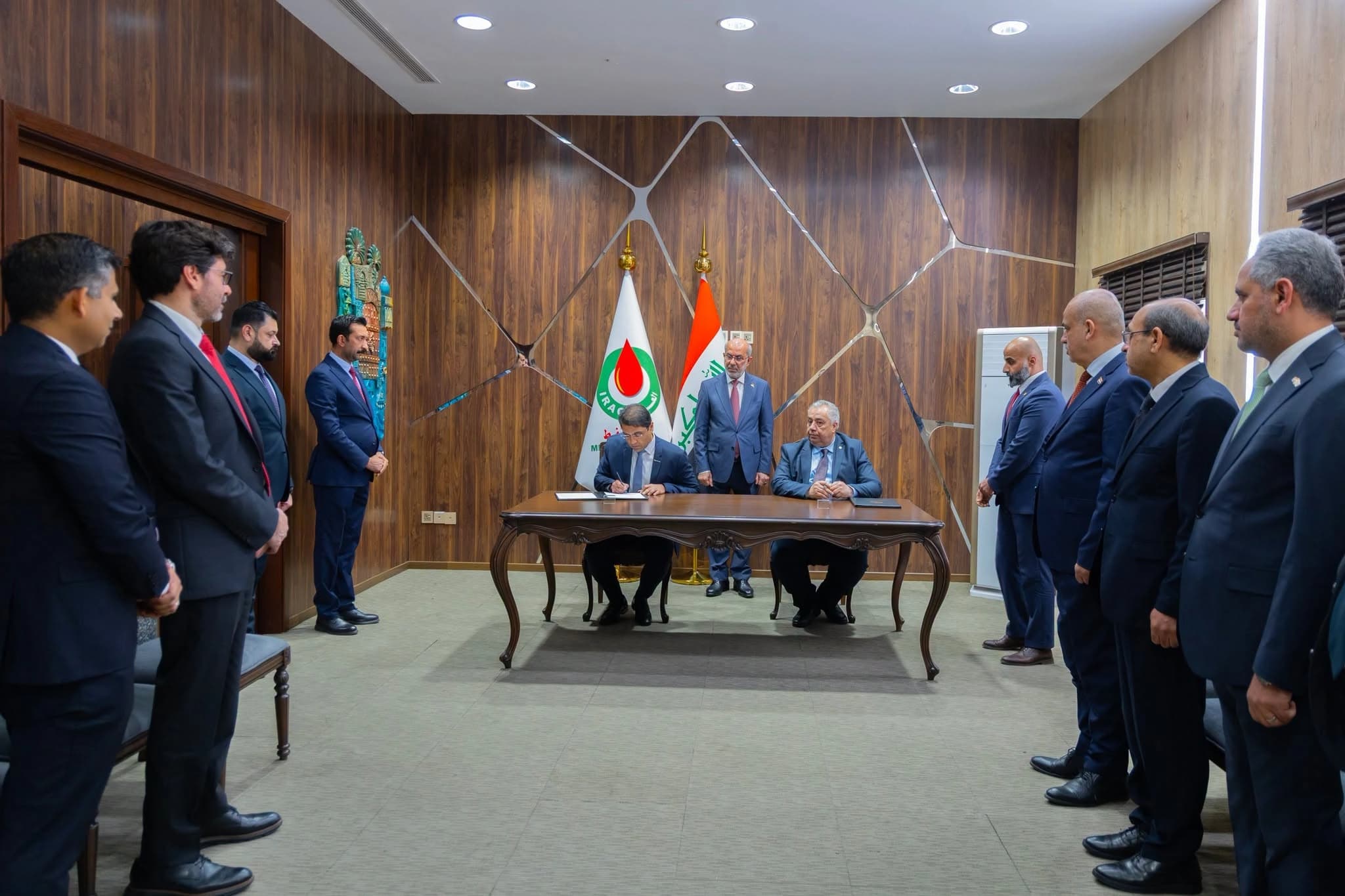
ERBIL, Kurdistan Region - Kurdistan Region President Nechirvan Barzani said on Thursday that Erbil will support Baghdad in strengthening Iraq’s sovereignty and stability, adding that the time has come to resolve long-standing disputes between the two governments and other outstanding issues across the country.
“We in the Kurdistan Region will always be cooperative and supportive of every step that strengthens Iraq’s sovereignty, security, and stability,” Barzani said during a speech at the Sovereignty Day conference in Baghdad.
His remarks came a day after the United States completed its military withdrawal from Iraq, concluding the US-led coalition’s military mission in the country. The withdrawal was carried out under an agreement reached by Washington and Baghdad in 2024.
Barzani said the end of the coalition mission should mark the beginning of a new phase in Iraq, urging the country’s political forces to address unresolved disputes rather than pass them on to future generations.
“The time has come to address and resolve all outstanding issues in Iraq, starting with Erbil-Baghdad relations, arms control, and the rights of all components,” he said.
“These matters must be addressed based on the Constitution and in accordance with an Iraqi national will, and should not be left unresolved or passed on as crises to future generations,” he added.
Relations between Erbil and Baghdad have for years been strained by disputes over the Kurdistan Region’s budget, salaries, oil and gas management, and the implementation of constitutional provisions. Barzani has repeatedly called for lasting solutions to the disputes based on the Iraqi constitution.
The Kurdish president also stressed that Iraqi sovereignty extends beyond the withdrawal of foreign troops and requires the state to have ultimate authority over security and decisions of war and peace.
“Sovereignty is not only the withdrawal of foreign military forces; it is an integrated national responsibility,” Barzani said.
“Sovereignty means that the state possesses the final decision. It means upholding the Constitution and the federal system and ensuring that constitutional institutions remain the recognized and binding reference for all.”
He added that decisions on war and peace must rest “exclusively with the state's legitimate constitutional authorities,” while arguing that Iraq’s strength does not come from weapons outside state control.
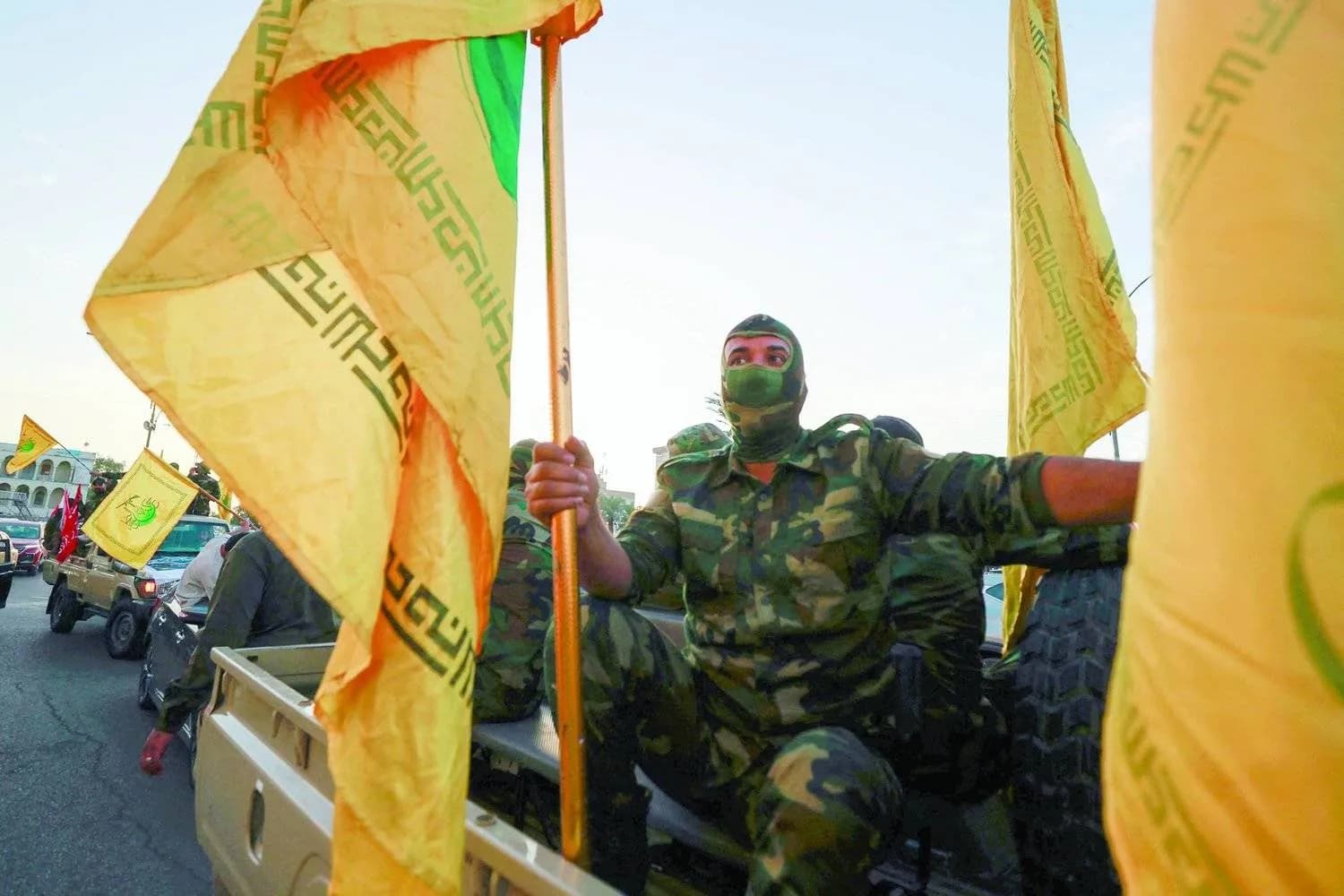
The issue of armed groups operating outside the formal command structure has come into sharper focus with the departure of US forces. Baghdad has pledged to consolidate weapons under state authority, while some Iran-aligned factions have attached conditions to disarmament. Barzani has previously backed the federal government’s efforts to bring weapons under state control while calling for the issue to be addressed through dialogue.
Barzani said the Kurdistan Region would work with the federal government and Iraq’s different political and social components “through dialogue and in accordance with the Constitution.”
He also called for stronger coordination between the Peshmerga, Iraqi army and other security forces.
Reflecting on the campaign against the Islamic State (ISIS), Barzani praised the sacrifices of the Iraqi army, Peshmerga, Popular Mobilization Forces (PMF) and other security forces, as well as the assistance provided by the United States and other coalition members.
“Today, as the Coalition forces depart Iraqi territory pursuant to the agreement concluded with the Federal Government, we will never forget their support and assistance,” he said.
The Kurdish president said the conclusion of the military mission should not mean the end of Iraq’s relations with Washington and other coalition countries, calling instead for ties to develop into broader partnerships covering security, the economy, investment, energy, education, technology and diplomacy.
He said such relations should be based on “mutual interests, mutual respect, and full regard for the sovereignty of states.”
Barzani called for the coalition’s departure to serve as the foundation for greater trust among Iraq’s political forces and “the beginning of a new phase” based on unity, the rule of law and constitutional partnership.