
ERBIL, Kurdistan Region - Iraq has achieved self-sufficiency in date production and projects this year's yield to exceed 850,000 tonnes, a senior agriculture ministry official confirmed to Rudaw on Monday, adding that Baghdad is working to restore the country's historic record of 32 million palm trees, a benchmark that had fallen to less than half in recent decades, with wars serving as the most destructive force behind the decline.
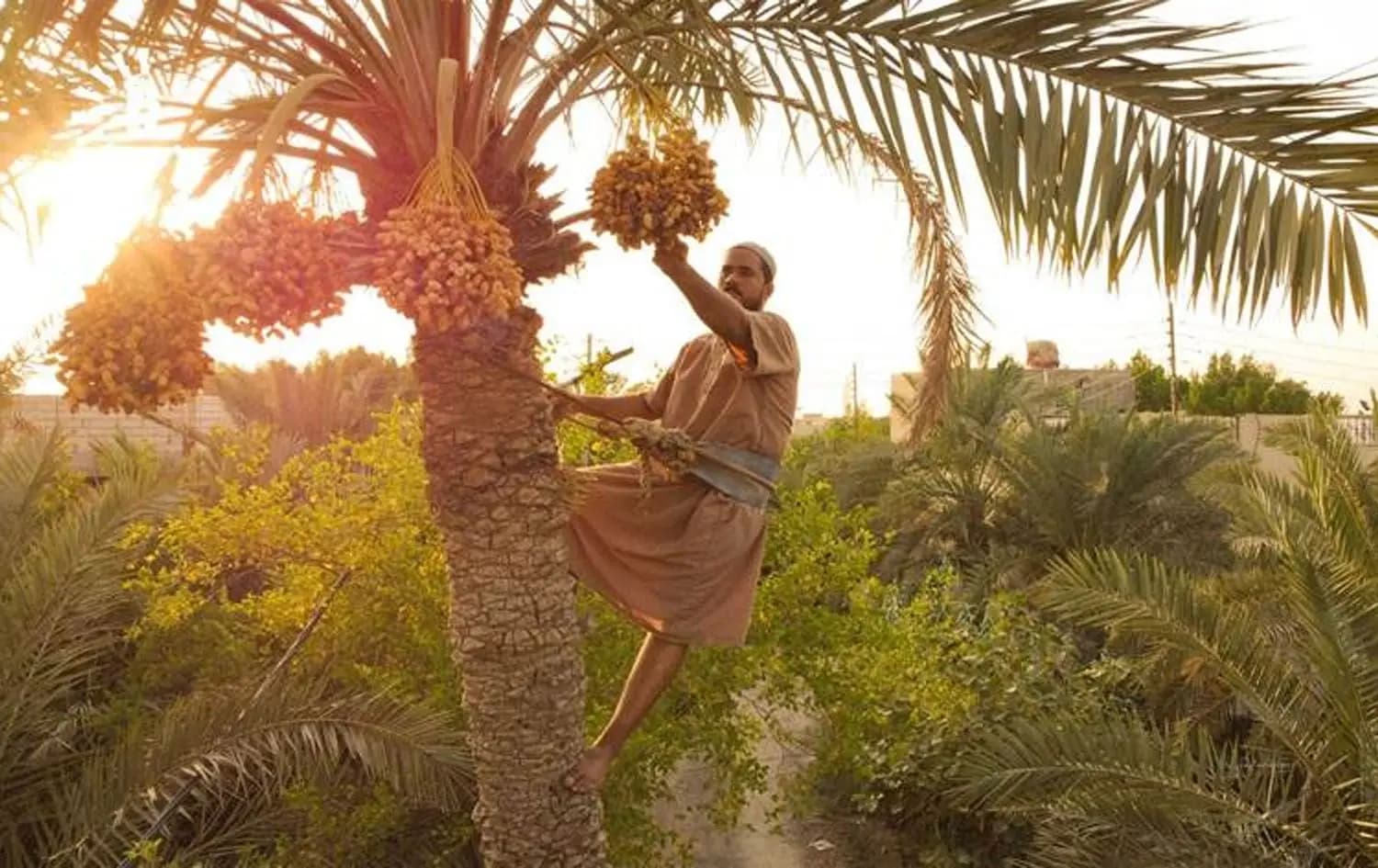
"This year, Iraq has managed to achieve self-sufficiency in date production, with the 'Zahdi' variety accounting for the largest share of output," said Qusay Hattab, spokesperson for the Iraqi agriculture ministry, adding that "after the number of date palms in Iraq dropped to 12 million post-2003, ministry efforts have brought that figure up to 22 million."
"Our main goal is to reach the historic benchmark Iraq was renowned for - 32 million date palms," Hattab affirmed, underlining the importance of restoring this crop that has long been central to Iraq's agricultural identity and rural livelihoods.
The decline of Iraq's date palms - from over 30 million trees in the late 1960s and 1970s to roughly 12 million by 2003 - was largely triggered by successive wars.
The Iran-Iraq War (1980 - 1988) inflicted the earliest damage as the Shatt al-Arab waterway in southern Iraq became a principal battleground with millions of nearby mature date palms cut down to establish supply routes and military sightlines, destroyed by artillery shelling or lost to tactical burning along border zones.
In the following year, the Gulf War of 1991, the US-led invasion of 2003, and years of international sanctions compounded the damage, severely undermining Iraq's agricultural infrastructure. The collapse of regular aerial pesticide spraying additionally allowed destructive pests like the Dubas bug and fungal diseases to spread without control, destroying millions of trees as well.
Upstream dam construction on the Tigris and Euphrates further reduced freshwater flow into southern Iraq, allowing saltwater intrusion from the Gulf to degrade coastal groundwater and render groves unviable. Rising salinity, prolonged droughts, and economic hardship also drove many farmers to abandon their land, with some opting to sell to urban developers.
In January, Iraq's agriculture ministry launched the “One Country, One Priority Product” initiative, selecting date palms as the country’s designated priority agricultural product. The push aims to introduce improvements in sustainable production, processing, market access and export competitiveness.
Baghdad’s efforts to revive the crop appear to be yielding results. For example, the southern Karbala province alone is expected to see an output of “220,000 tonnes from over three million date palms this year - up from 180,000 tonnes in 2024,” its agriculture directorate reported Monday.
Iraq has also expanded its export footprint as a separate agriculture official, Hatem Karim, told Rudaw in April that the country had exported some "650,000 tonnes of dates in 2025” with plans to increase that figure further, noting that “Iraq has more than 600 date varieties to offer and ranks among the world's leading date-producing countries.”