
ERBIL, Kurdistan Region - Kurdish organizers on Monday postponed a demonstration planned in the disputed town of Khanaqin in Diyala province over alleged efforts to alter the town’s demographics, citing intervention by federal authorities and a planned meeting in Baghdad.
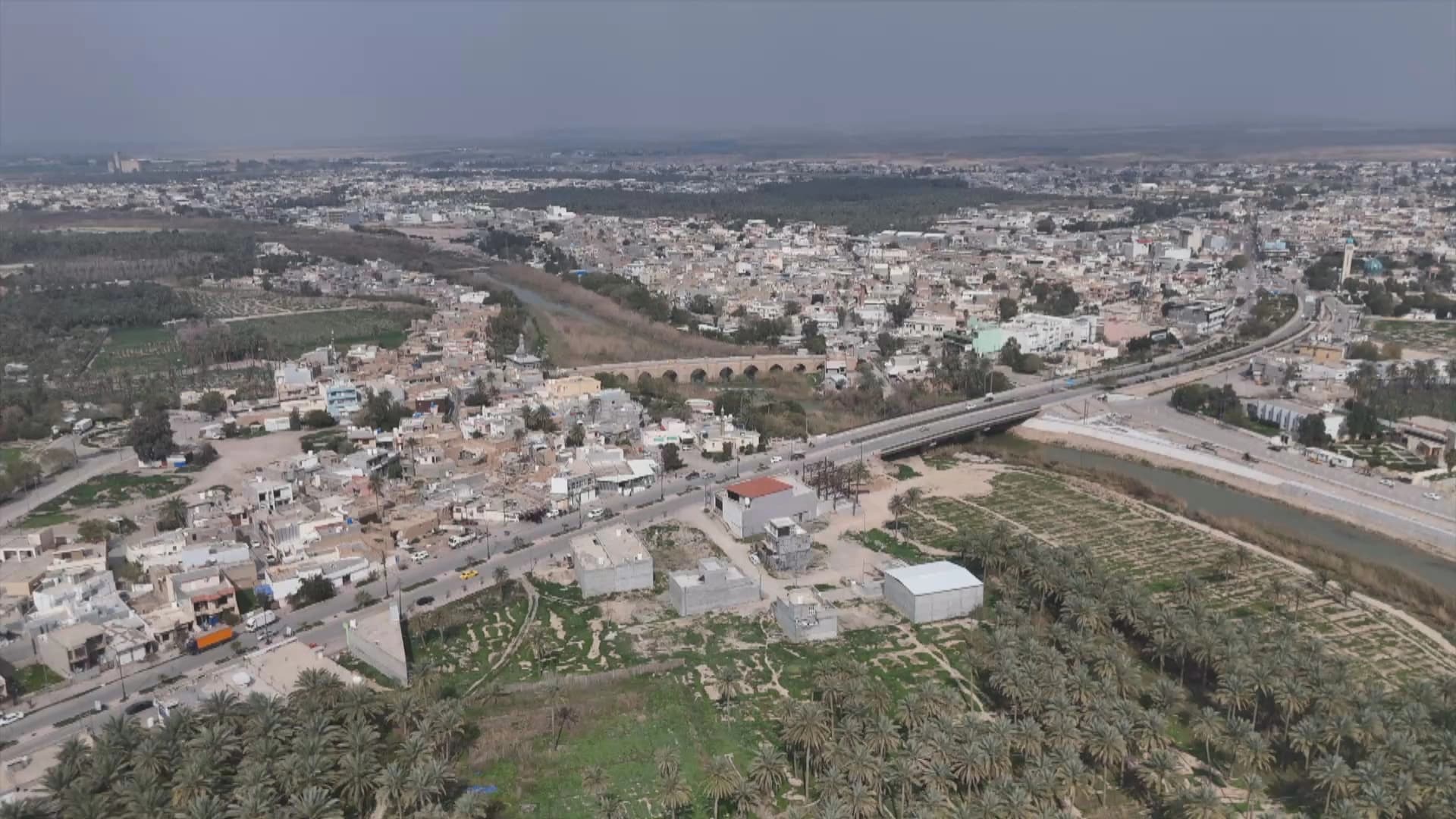
The protest had been scheduled for Monday evening in Khanaqin, a predominantly Kurdish town disputed between Baghdad and the Kurdistan Regional Government (KRG). Organizers said the demonstration had been suspended, not canceled, pending the outcome of meetings with federal authorities in Baghdad.
“In our commitment to social peace, the unity of Khanaqin’s residents, and the preservation of our city's security and stability, we wish to clarify to the citizens that we have been contacted by the President of Iraq and the head of the committee responsible for implementing Article 140 of the Constitution,” the organizing committee said in a statement.
It added that appointments had been set for the organizers to meet with Iraqi officials to allow them to “deliver the demands of the people of Khanaqin in a direct and official manner.”
Article 140 of Iraq’s constitution provides for the normalization of disputed areas, followed by a census and referendum to determine their status.
The planned demonstration followed concerns raised by Kurdish political officials and residents over what they describe as an ongoing process of demographic change in the town.
During Rudaw’s flagship program Lagal Ranj, or “With Ranj” in Kurdish, on August 23, Khanaqin residents and officials from the Kurdistan Region’s ruling Kurdistan Democratic Party (KDP) and Patriotic Union of Kurdistan (PUK) described several developments as “dangerous steps.”
They cited the administrative separation of Jalawla and Qaratapa from Khanaqin, land purchases and the burning of date palm orchards by what they called “Arab settlers,” a weakening of Kurdish-language education, and increased security and administrative pressure.
Kurdish officials and residents in the town have described the broader process as “ethnic cleansing,” while both major Kurdish parties acknowledged that internal political divisions have weakened the Kurdish position in the disputed area.
The decision to suspend the protest appeared to be disputed within the organizing committee.
Salam Abdullah, a supervising member of the protest, told Rudaw’s Soran Hussain on Monday that he was unaware of the decision.
“As members of the committee, we are unaware of this document [statement] stating that the protest is postponed, and we have made no decision on what to do today,” Abdullah said.
He also said two Kurdish “activists” who were expected to help supervise the protest had been arrested.
“Two people have been arrested, and there are rumors of arrest warrants for several others,” Abdullah said.
The committee said it would reassess the situation after its representatives return from Baghdad.
“We reiterate that the protest has not been canceled; it has been temporarily suspended until the committee returns from Baghdad and assesses the results of the meetings and what has been achieved regarding the demands of the people of Khanaqin,” it said.
Khanaqin has long been a focal point of Kurdish-Arab political tensions. The predominantly Kurdish town is among Iraq’s disputed territories, where competing claims over land, administration and demographic changes have persisted since the fall of Saddam Hussein’s Ba’athist regime.
The area has also faced security challenges, including renewed threats from the Islamic State (ISIS) and changes in military control, adding to the political sensitivities surrounding the town.