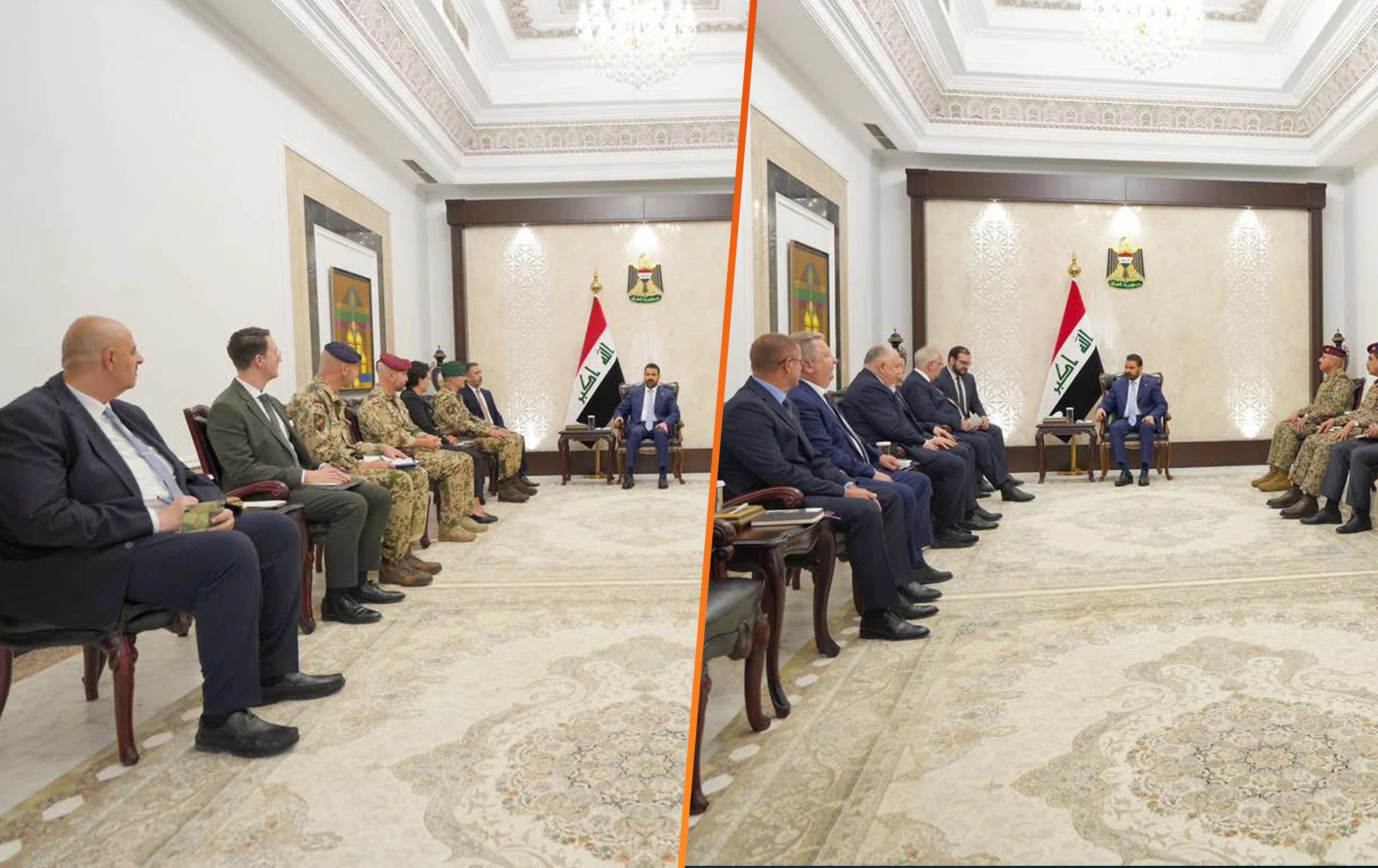

ERBIL, Kurdistan Region - Iraqi Prime Minister Ali al-Zaidi held separate meetings with senior German and Russian defense officials in Baghdad on Monday to discuss military cooperation and preparations ahead of the withdrawal of international coalition forces from Iraq.
Zaidi met German Commander of Forces Deployed Abroad Gunter Schneider and his delegation to review “preparations for completing the withdrawal of International Coalition forces from Iraq” as well as “ways to strengthen and further develop them [relations] in the military and security fields through joint programs,” according to a statement from the Iraqi Prime Minister media office
The Prime Minister highlighted “the importance of transitioning toward multidimensional relations with the Coalition countries and commended Germany’s longstanding role in assisting Iraq in its fight against terrorism, particularly during the period of confronting members of the ISIS” Islamic state.
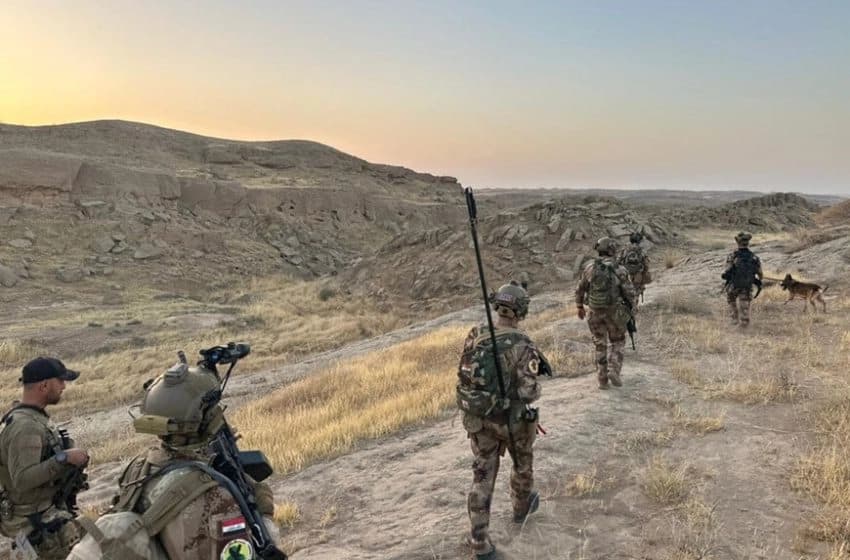
The meetings come as Baghdad prepares for the scheduled departure of the international coalition’s military mission in Iraq on September 30.
Later Monday, Zaidi met Dmitry Shugayev, director of Russia’s Federal Service for Military-Technical Cooperation, in the presence of Russia’s ambassador to Iraq. They discussed “prospects for military cooperation between Iraq and Russia and ways to further develop bilateral relations and joint cooperation through activating agreements and memoranda of understanding,” according to the statement.
Shugayev reaffirmed Moscow’s readiness to develop bilateral relations with Baghdad and continue coordination in combating terrorism and supporting regional and international security.
While the US coalition’s departure has raised concerns highlighting Kurdistan Region airspace exposed to potential attacks from armed groups operating under the Iran-aligned Islamic Resistance of Iraq (IRI), Iraqi spokesperson for the commander-in-chief Sabah al-Numan told Rudaw earlier on Monday that security forces have the capacity to protect the country from internal and external threats after the scheduled withdrawal of the US-led coalition in late September.
“We are convinced of our security forces' performance and have full confidence in their readiness,” he said, adding that Iraqi security forces “are capable of maintaining national security, fully prepared to exercise sovereignty over all Iraqi territory, and the borders are completely secured.”
Formed in 2014 under former US President Barack Obama, the Global Coalition to Defeat ISIS launched its operations in Iraq with airstrikes, later expanding to include training and advising Iraqi forces. The coalition comprises nearly 89 countries and international organizations, including the US, UK, France, Germany, Canada, Australia, and several Middle Eastern nations, contributing military personnel, equipment, and financial support.
While Russia is not a member of the coalition, Baghdad’s cooperation with partner countries signals a shift toward what Zaidi has said in a separate Monday statement carried by state-run Iraqi News Agency (INA) aligns with the government's goal to build a “free Iraq” that can provide security, dignity and stability for its people.