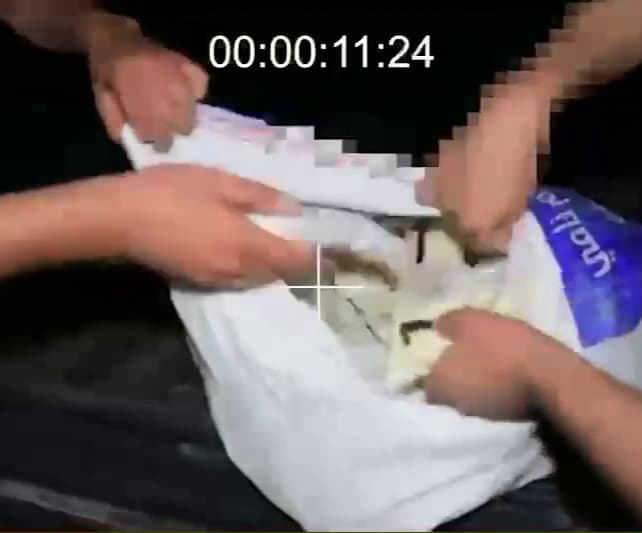
ERBIL, Kurdistan Region - Iraqi authorities on Saturday said they seized “a number of drones” and several types of munitions in the southern part of the country, days after announcing a separate seizure of more than a dozen drones and a number of arrests, as efforts to consolidate arms under state control continue.
“As part of efforts to pursue those operating outside the law,” Iraq's Military Intelligence Directorate said its “intelligence and security detachments” seized “a number of drones, mortar rounds, rocket-propelled grenades, and various types of hand grenades in Maysan province,” acting on “precise intelligence.”
The seized items were “referred to the competent authorities in accordance with standard legal procedures,” the Directorate added, reaffirming its commitment to “continuing operations to monitor illegal activities, seize weapons, and consolidate arms under state control.”
In mid-August, Iraq's interior ministry reported that operations carried out by Baghdad's intelligence agency and counter-terrorism directorate “in two separate operations resulted in the seizure of more than 20 locally manufactured drones and the arrest of four individuals” who were “trading the drones in violation of the regulations and controls established by the relevant authorities.”
“During interrogation, they confessed to possessing these materials for trafficking purposes,” the ministry added.
Prior to that, an interior ministry committee tasked with "regulating weapons, preventing armed displays, achieving security and development, and protecting economic prosperity" revealed that its database has registered "six million weapons across the country," ministry spokesperson Major General Miqdad Miri said at a briefing in Baghdad.
The latest seizures come as Baghdad presses ahead with its push to curb arms proliferation and bring paramilitary groups and their weapons under state control.
In his mid-May inaugural address, Iraqi Prime Minister Ali al-Zaidi vowed security reform and in early June ordered the formation of a committee to oversee the disengagement of political parties and armed factions from the Popular Mobilization Forces (PMF).
The PMF was established in 2014 following the emergence of the Islamic State (ISIS) in Iraq as an umbrella organization of roughly 70 predominantly Shiite armed groups with some 250,000 members.
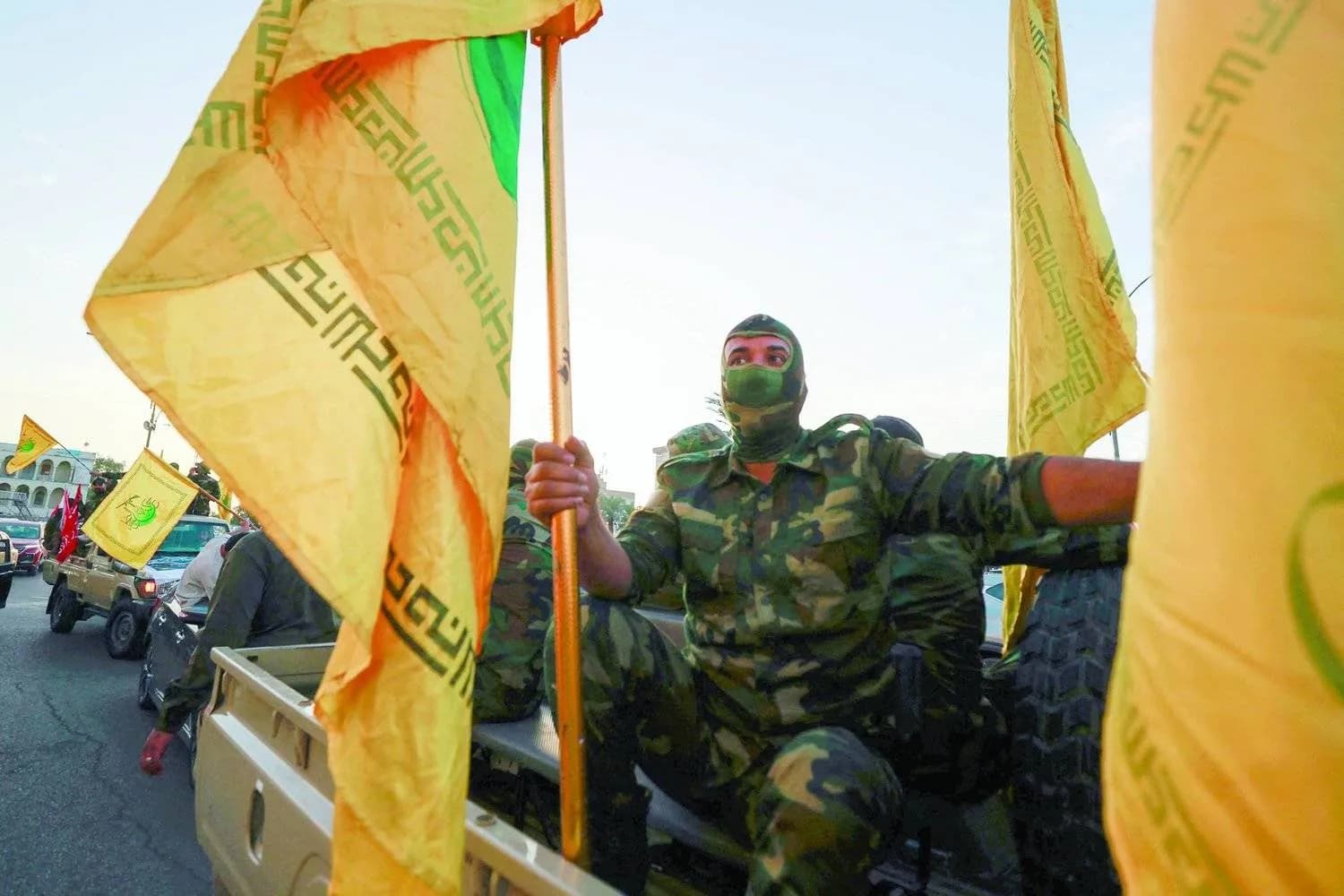
Though a state-funded institution, the PMF includes factions aligned with the Iran-led ‘Axis of Resistance,’ among them Asa'ib Ahl al-Haq, Kata'ib Hezbollah, Harakat Hezbollah al-Nujaba, and Kata'ib Sayyid al-Shuhada.
These factions are believed to have played an active role in backing Tehran during the six-week war in late February and its aftermath, operating under the banner of the Islamic Resistance in Iraq (IRI) entity, which in early April claimed more than 750 attacks against targets across the region in support of Iran.
For his part, Zaidi, since having taken office, has reiterated that the decision to go to war or maintain peace must rest solely with the state. Last week, he emphasized that "Iraq will not allow its territories or airspace to serve as a launchpad for any aggression against neighboring countries."