
ERBIL, Kurdistan Region - Baghdad residents have welcomed Iraq’s sweeping anti-corruption campaign, describing it as a long-overdue effort to hold powerful officials accountable, while urging authorities to expand investigations and recover stolen public funds.
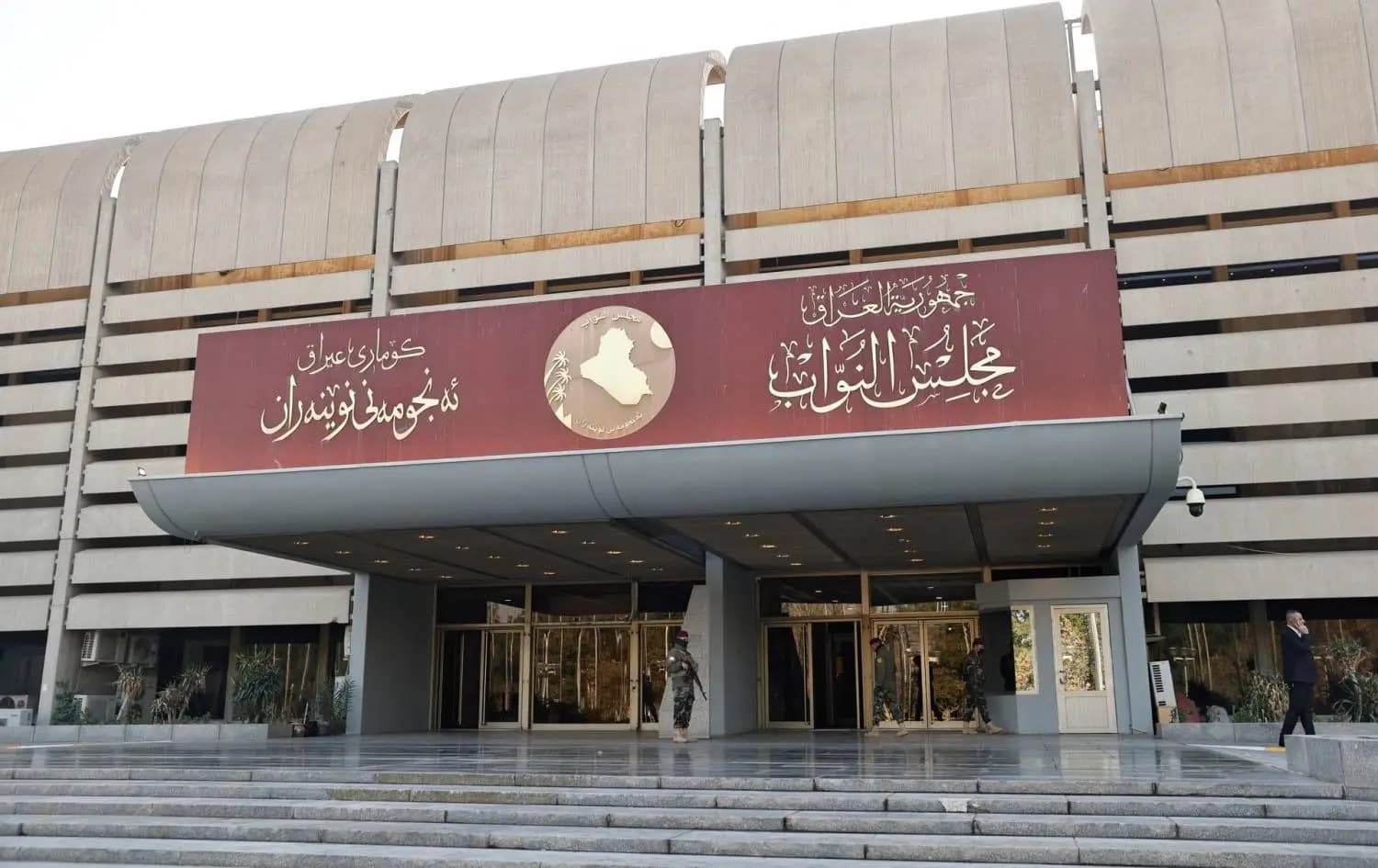
Prime Minister Ali al-Zaidi launched the nationwide campaign, dubbed “Operation Dawn,” in late June. Since then, security forces have carried out raids across Baghdad, including inside the heavily fortified Green Zone, arresting dozens of politicians, lawmakers and business figures suspected of corruption.
The campaign entered a new phase on Friday with the arrest of Khalid Ghazai Attiya, Iraq’s deputy minister of electricity for transmission and distribution affairs, over alleged financial violations. Authorities have not disclosed details of the accusations.
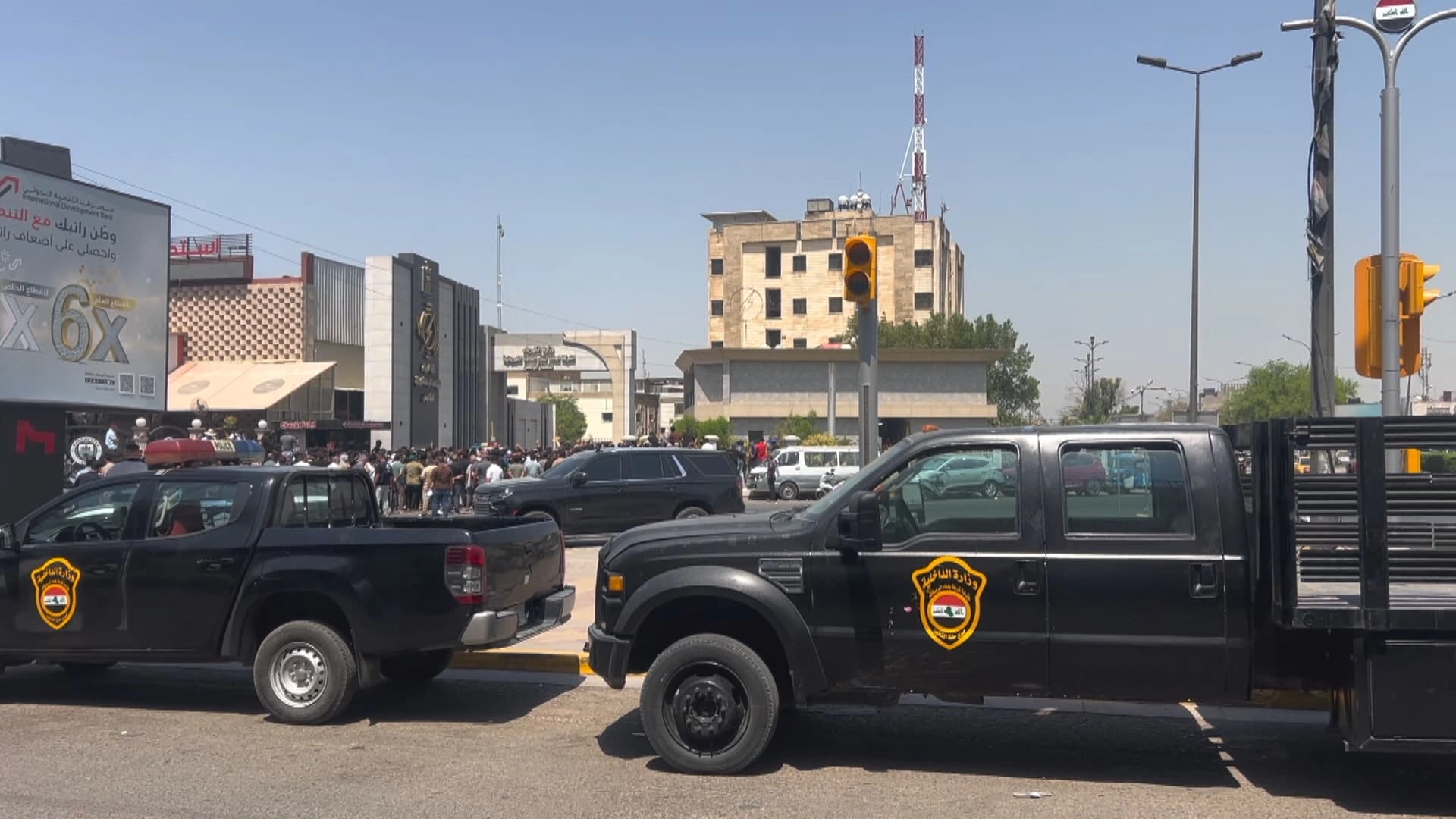
For many residents of the Iraqi capital, the arrests signal a rare willingness by the state to confront influential figures long viewed as untouchable.
“Because of the corruption of successive governments, the current prime minister has taken action to strike at the corrupt—those who are the real heads of corruption, located near and inside the Green Zone,” Baghdad resident Haider Faisal told Rudaw' Ziyad Ismail on Friday.
“I say to him: take down the corrupt officials right beside you, eliminate them, so that we can truly trust there is a dawn of hope,” he added.
Others expressed frustration over years of alleged graft and the deterioration of public services.
“Anyone who harms the Iraqi people and Muslims deserves not just arrest, but execution on a mosque pulpit, so they can serve as a lesson to everyone,” said Ghalib Ani, a shopkeeper in Baghdad.
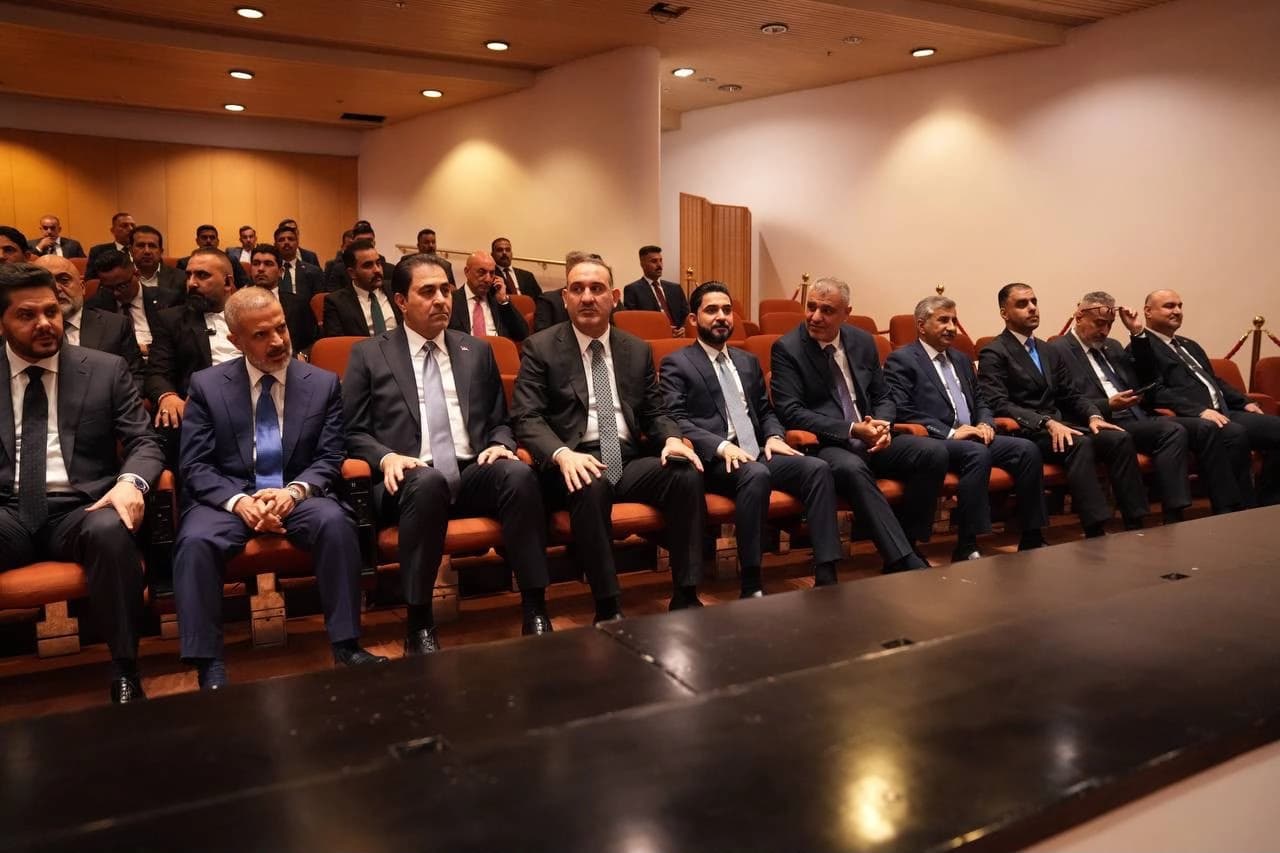
The campaign has also drawn support from some lawmakers.
“It is our right as MPs to move in this direction and hold accountable those responsible for past failures,” said Jaffar Zamili, a member of parliament's Services Coalition.
“Members of the Council of Representatives will take action on this matter to hold negligent officials accountable,” he added.
Alongside the arrests, Zaidi has ordered tighter oversight at Iraq’s border crossings and expanded the use of electronic monitoring systems aimed at combating smuggling, fraud and tax evasion.
The government has said a second phase of Operation Dawn will target suspected corruption within the health, oil and electricity ministries while pursuing funds and properties allegedly acquired through illicit means both inside and outside Iraq.
The campaign has already led to major asset recoveries. Last month, Iraqi authorities announced the seizure of more than 14 billion Iraqi dinars ($10.7 million), $400,000 in cash, 40 kilograms of gold bars and additional gold jewelry in operations linked to financial fraud investigations and the corruption case of former deputy oil minister Adnan al-Jumaili.
Judicial authorities said investigations into Jumaili and other suspects remain ongoing as part of efforts to trace criminal proceeds and uncover wider corruption networks.
Jumaili has emerged as one of the most prominent figures targeted under Operation Dawn, with authorities previously recovering billions of dinars, millions of dollars, hundreds of kilograms of gold and other assets allegedly connected to the case.
Despite the recent arrests and seizures, many Iraqis remain cautious, saying the campaign's success will ultimately be judged by whether it reaches the country's most powerful political figures and results in the return of stolen public wealth.
Iraq ranked 136th out of 180 countries in Transparency International’s 2025 Corruption Perceptions Index, highlighting persistent concerns over corruption despite repeated government pledges to strengthen accountability and recover state assets.
.jpg&w=3840&q=75)