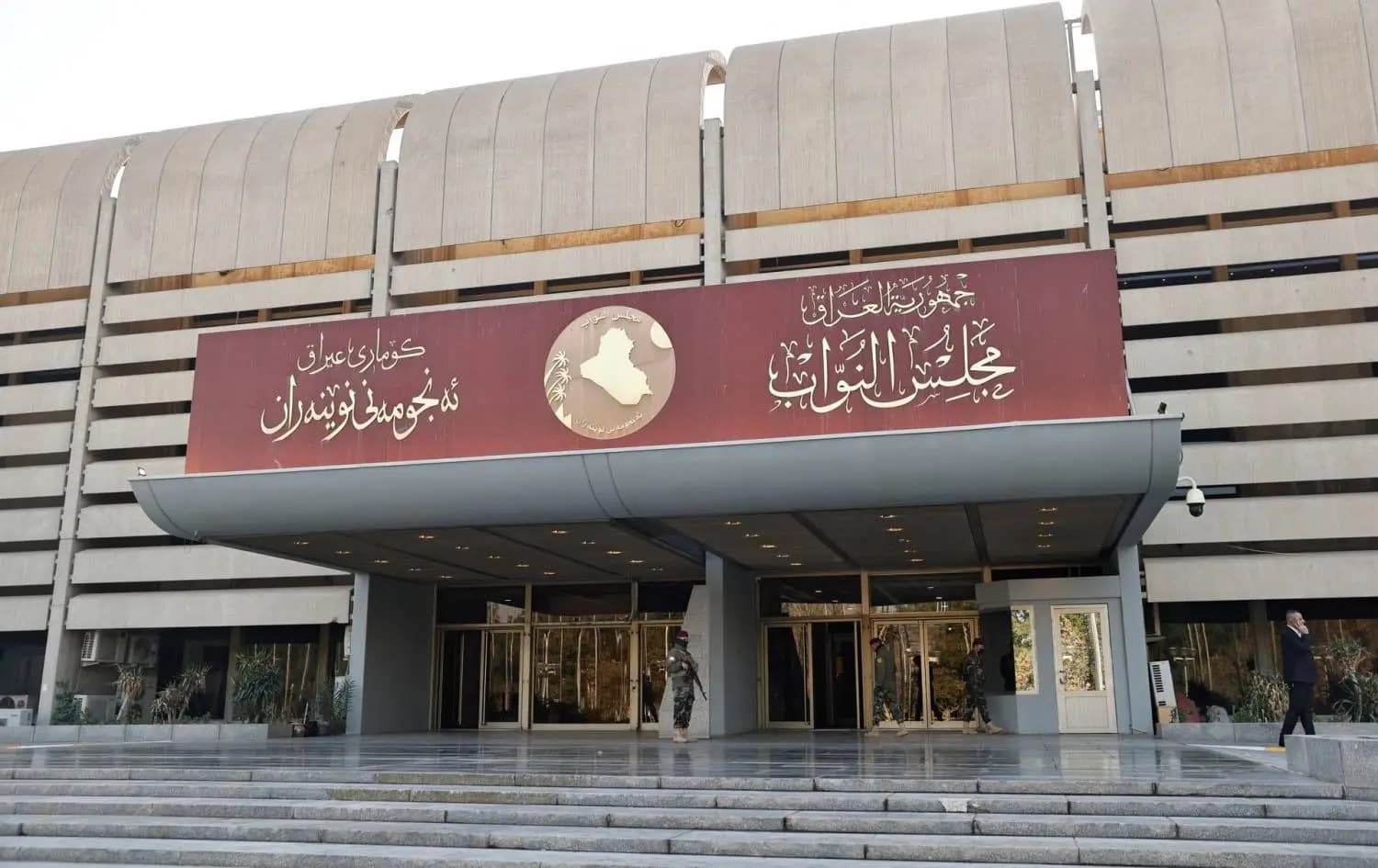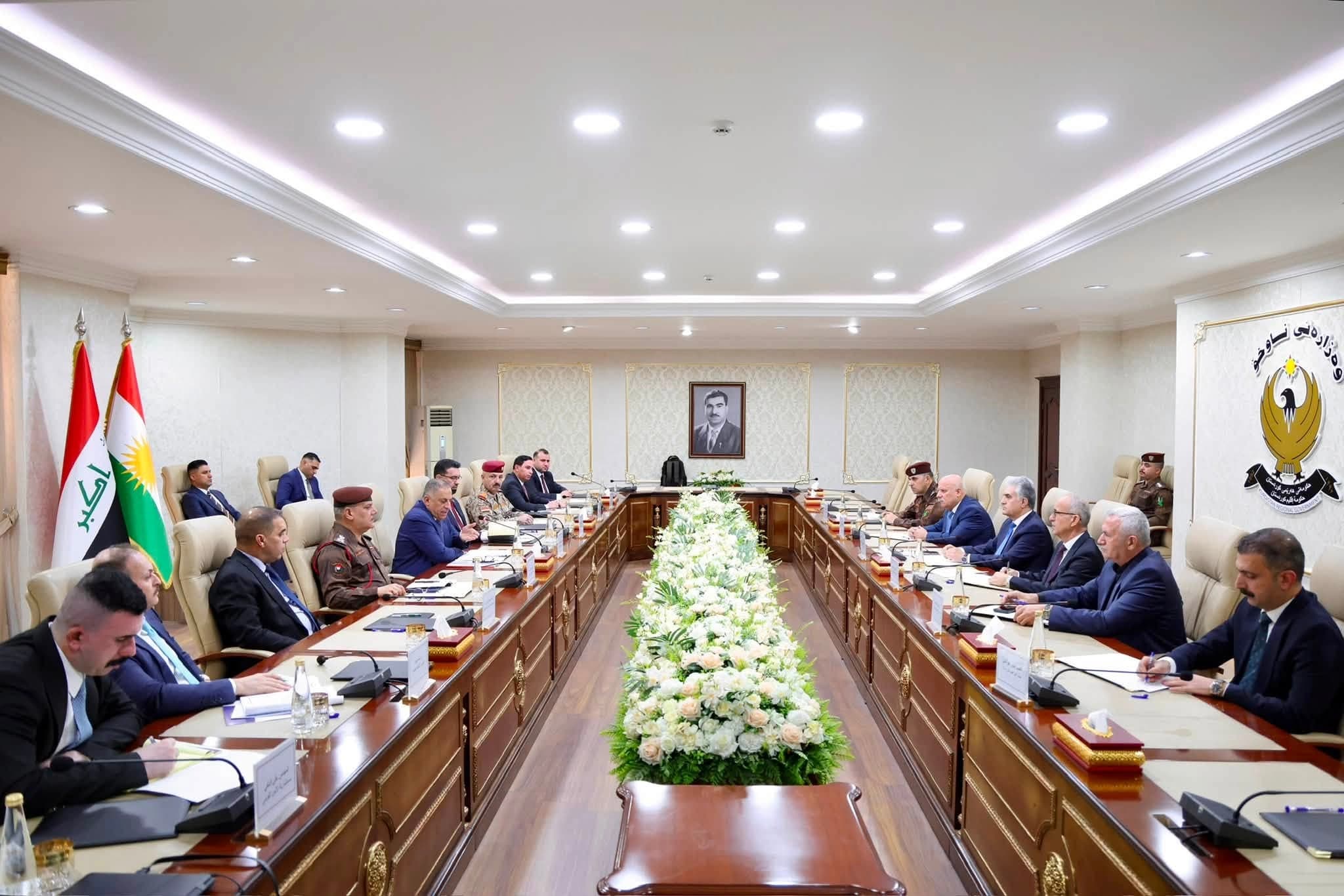

ERBIL, Kurdistan Region - Senior security officials from the Iraqi federal government and the Kurdistan Regional Government (KRG) held a high-level meeting in Erbil on Saturday to review progress in implementing a 2023 security agreement with Iran aimed at enhancing border security and addressing the presence of Iranian Kurdish opposition groups based in the Region, Iraq’s National Security Advisor’s office said.
In a statement, Qasim al-Aboudi’s office said he met with the KRG Interior Minister Rebar Ahmed to discuss “details and provisions of the joint security pact regarding border security, preventing infiltration and smuggling, and maintaining security and stability across Iraq.”
It also added the two sides “reviewed implemented measures and stressed the need for continuous communication and coordination between the federal government and the Kurdistan Regional Government, per the directives of the Commander-in-Chief of the Armed Forces, to serve Iraq's interests and sovereignty.”
The KRG Interior Ministry had not commented by the time this report was published.
Iraq and Iran signed a security pact in March 2023 requiring Baghdad to disarm Kurdish opposition groups and bolster border security, with Tehran warning of military action if the agreement was not implemented.
The agreement was reached after Tehran accused Kurdish opposition groups based in the Kurdistan Region of involvement in the nationwide "Women, Life, Freedom" protests that swept Iran in 2022. In mid-August 2025, Baghdad and Tehran upgraded the security protocol to a memorandum of understanding.
During his visit to the Region, Aboudi also met with President Masoud Barzani, leader of the Kurdistan Democratic Party (KDP), to “exchange views on the security and political developments in the region, according to a statement from Barzani Headquarters.
“They also highlighted cooperation and coordination between the Kurdistan Regional Government and the Iraqi Federal Government in maintaining stability and addressing security threats and challenges,” read the statement.
Iran's concerns deepened during and after its war with Israel and the United States, which began in late February.
Despite agreeing to a ceasefire with Washington in mid-April and extending it on June 18, Iran and its allied groups have continued to strike bases of Kurdish opposition groups in the Kurdistan Region. The groups, struggling for greater rights for Iran’s marginalized Kurdish population, have fought an on-and-off war with the Islamic republic for decades.
Kurdistan Region President Nechirvan Barzani said in an interview with Iraq’s privately owned Al Sharqiya TV, aired on Wednesday, that the Kurdistan Region has been targeted by around 1,000 missiles and drones. According to Rudaw tracking, the attacks have killed 32 people and injured nearly 150 others.
An Iraqi government delegation to the committee overseeing implementation of the agreement met with Iranian officials in March, during which Tehran presented what it described as “information related to the activities of certain Iranian armed groups present in the Kurdistan Region.”
The Iranian side also “emphasized the importance of strengthening joint security coordination, tightening border control measures, and preventing any infiltration or movements by terrorist or armed groups that could threaten security and stability in both countries and the wider region,” according to a statement from the office of Qasim al-Araji, Aboudi’s predecessor, at the time.