ERBIL, Kurdistan Region - Both the federal government and the Kurdistan Regional Government (KRG) "have fallen short" in facilitating the return of displaced Yazidis to Shingal (Sinjar), a top Yazidi commander said Monday, denying that Popular Mobilization Forces (PMF) armed groups are blocking the process.
"The issue of returning our IDPs [Internally Displaced Persons] is tied to agreements between Erbil and Baghdad, and unfortunately, both have fallen short and failed to fully execute their commitments," Haidar Shasho told Rudaw's Sangar Abdulrahman in an interview, claiming that they believe "they are being dealt with strictly through political agreements."
He added, "If there were the rule of law, and if we were in a country where human rights were the foundation of everything, the Iraqi government would not only be responsible, but held accountable. Similarly, we don't see the KRG as being without fault - we see their shortcomings as well."
The Yazidi commander delivered his remarks on the 12th anniversary of the Yazidi genocide. After seizing large parts of northern and western Iraq in June 2014, Islamic State (ISIS) militants in August launched a brutal campaign against the Yazidi community in Shingal, killing an estimated 5,000 to 10,000 Yazidi men and older women, and abducting 6,000 to 7,000 women and girls for sexual slavery and human trafficking.
The United Nations officially recognized the campaign against the Yazidis as a genocide.
During the ISIS attack on Shingal, around 400,000 Yazidis were forced to flee, with most seeking refuge in the Kurdistan Region, including the Sheikhan camp which was set up in 2015.
“Until now, the Shingal administration has not been agreed upon, and the decision on the fate of Shingal is not determined by its residents,” Shasho claimed, noting that, “Whenever the Sinjar issue is brought up, we feel Yazidis and the people of Sinjar are not part of it.”
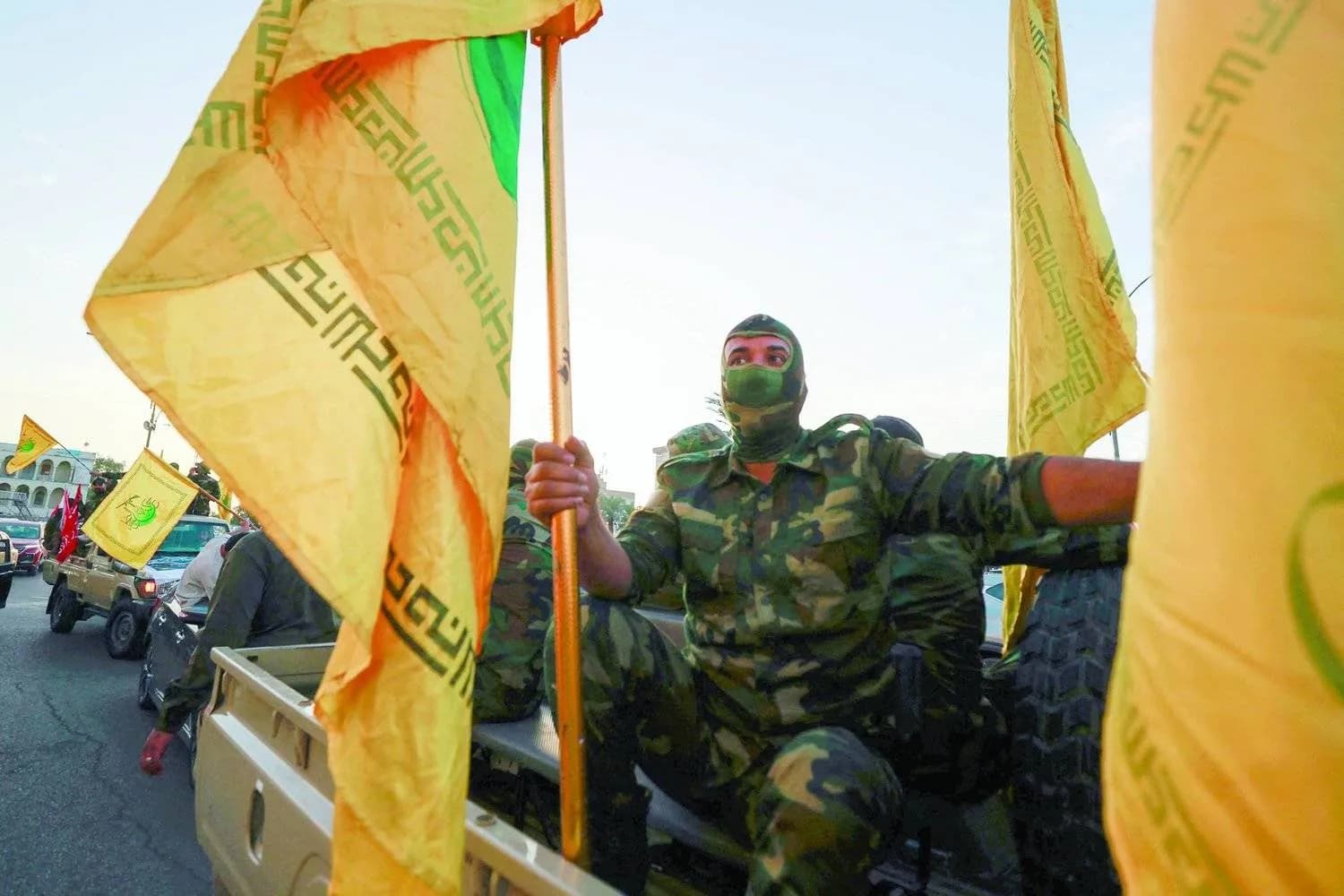
Shasho leads the Protection Force of Ezidkhan, a local Yazidi defense force. Since the expulsion of ISIS from the Yazidi enclave in 2015, Shingal has seen the presence of various armed forces, including the Iraqi Army, the KRG’s Peshmerga forces, the PMF, forces affiliated with the Kurdistan Workers' Party (PKK), and local Yazidi armed groups.
The Iraqi government and the PMF, in October 2017, launched a major offensive in the areas liberated from ISIS that were held by the KRG, forcing the Peshmerga forces to withdraw from Shingal and the rest of what Erbil and Baghdad call "the disputed areas" - which include parts of Diyala, Kirkuk, Nineveh, and Salahaddin provinces.
Since then, the Yazidis have yet to fully return to their historic heartland, citing the presence of armed groups.
Nonetheless, the Yazidi commander ruled out the possibility of the PMF hindering the process of return, saying that they are part of the Iraqi government and receive orders from Baghdad.
"It is far from the truth to say their presence has hindered the return of IDPs and the rebuilding of Sinjar. There are Iraqi army and federal police checkpoints. The PMF is part of the Iraqi security apparatus, and we cannot say they are outlawed," he said.
Although Baghdad has offered returning families four million Iraqi dinars (about $3,000) alongside basic appliances - such as refrigerators, stoves, and televisions - implementation has faltered.
Many returnees report waiting endlessly for promised payouts due to budget delays, while persistent security risks, destroyed infrastructure, and a lack of basic services continue to keep thousands of displaced Yazidis from going home.
Moreover, Iraqi forensic teams - in coordination with UN agencies - have so far excavated 82 mass graves across Shingal out of more than 90 documented sites, recovering the remains of over 770 victims of the 2014 Islamic State genocide.
However, due to severe forensic backlogs, funding shortages, and regional instability, only around 300 of these victims have been positively identified through DNA testing and returned to their families for traditional Yazidi burials, leaving hundreds of sets of remains awaiting identification in Baghdad and dozens of potential gravesites still untouched.