ERBIL, Kurdistan Region - Iraqi Foreign Minister Fuad Hussein and his Iranian counterpart Abbas Araghchi discussed the latest developments in the Strait of Hormuz and efforts to ease regional tensions during a phone call on Sunday, with Baghdad reiterating its support for diplomacy and the swift reopening of the strategic waterway as the US and Iran are expected to hold new round on talks on Monday.
According to a statement from Iraq's Foreign Ministry on Monday, Hussein said Iraq welcomed "the return to the path of dialogue and diplomacy as the optimal means to address disputes and settle outstanding issues," adding that such efforts would help "enhance security and stability in the region."
The phone call comes as tensions between the United States and Iran have expanded for weeks beyond direct military confrontation to include attacks on shipping routes, regional security, and commercial aviation.
However, Iranian Foreign Minister Abbas Araghchi announced Sunday that negotiations between Tehran and Muscat regarding the Strait of Hormuz have entered the final stages and are moving toward completion, with renewed military action still possible if negotiations over the management of the Strait of Hormuz fail.
Araghchi's remarks came after US President Donald Trump announced he had suspended planned military strikes against Iran to allow diplomacy to continue.
Trump said fresh negotiations with Iran will begin on Monday after he postponed planned military strikes against the Islamic Republic in favor of pursuing a diplomatic agreement to end the war, now entering its sixth month.
"Now what we're doing is we're talking to them in the form of a negotiation. It begins tomorrow afternoon," Trump told reporters aboard Air Force One on Sunday, without disclosing where the talks will take place or who will participate.
According to the Iraqi Foreign Ministry's statement, the ministers reviewed developments in the Strait of Hormuz over the past two days and their impact on maritime security and regional stability.
The conversation also addressed recent military attacks on Iraq, with both sides stressing the need to avoid further escalation.
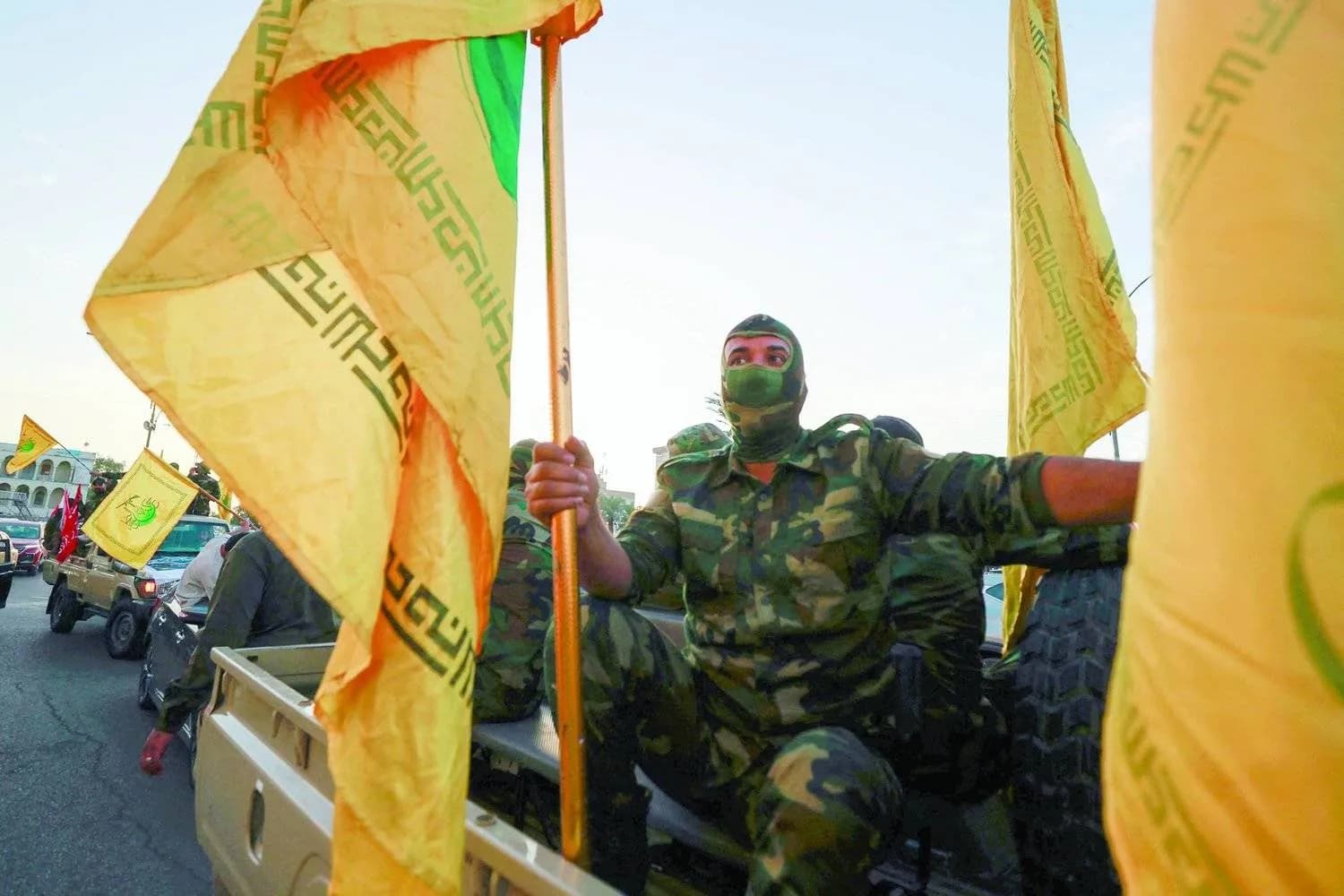
On Wednesday, the US and Saudi Arabia launched joint airstrikes targeting Popular Mobilization Forces (PMF) headquarters across Iraq in response to two attacks on a Saudi oil field attributed to Iran-aligned militias in Iraq. The PMF reported an initial toll of 20 dead and 32 wounded across Baghdad, Kirkuk, Nineveh, Karbala, Diyala, Wasit, and Basra provinces.
The large-scale strikes on the PMF marked the first of its kind since Washington and Tehran entered the war in late February.
Araghchi briefed Hussein on ongoing negotiations and discussions aimed at reaching an agreement to reopen the Strait of Hormuz and ensure the uninterrupted flow of maritime traffic.
Hussein said Iraq is "closely monitoring the ongoing developments" and expressed hope that "understandings will be reached to reopen the Strait as soon as possible, in a manner that preserves the security and stability of the region and the global economy." He also emphasized the importance of continued coordination between Baghdad and Tehran and supporting efforts to "reduce escalation and consolidate dialogue."