
ERBIL, Kurdistan Region - The Iraqi government is producing less than half of the country's electricity needs despite scorching summer temperatures, a shortfall officials partly attribute to a sharp decline in natural gas imports from neighboring Iran, the Iraqi electricity ministry's spokesperson said on Monday.
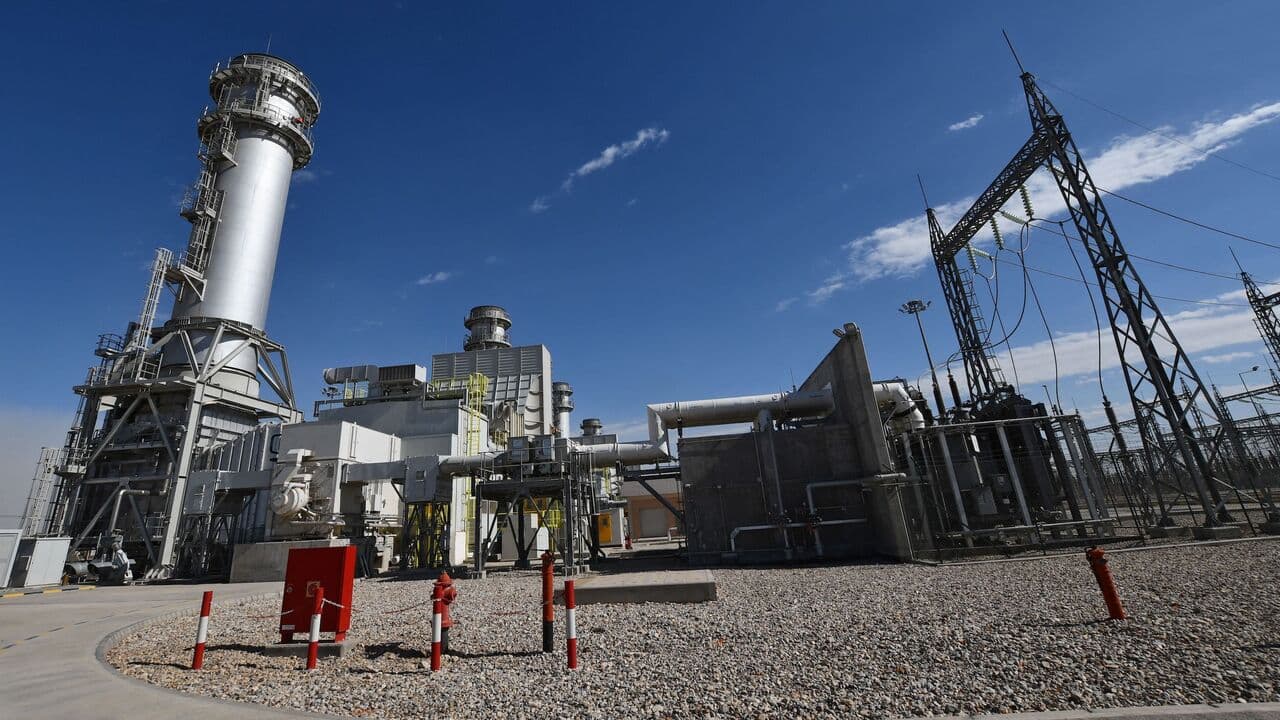
"According to the gas import contract with Iran, 50 million cubic meters should be imported, but we are currently receiving 20 million cubic meters," Ahmed Turki told Rudaw's Hastyar Qadir, noting that the "current electricity generation is 21,600 megawatts while we need 50,000 to 55,000 megawatts."
The drop in Iranian gas imports comes amid the ongoing war between the US and Iran, which began in late February. Washington has struck several of Tehran's energy facilities since the war started and has enforced a naval blockade on Iranian ports to curb the country's exports.
Turki said Baghdad purchases between 500 and 1,000 megawatts from the Kurdistan Region to help offset the shortage, with volumes fluctuating by season. He noted that "the suspension of gas production at the Khor Mor field in the Kurdistan Region has also caused a decrease of 1,400 megawatts in electricity generation in Iraq."
UAE-based Dana Gas announced on Thursday that it had temporarily suspended operations at the Khor Mor gas field in Sulaimani province's Chamchamal district, citing credible security threats amid ongoing drone and missile attacks on the Kurdistan Region.
The field, operated by the Pearl Petroleum consortium and led by Dana Gas, is the backbone of the Region's power supply, and the shutdown has significantly affected local electricity production.
Khor Mor has been targeted repeatedly in recent years, including a drone strike in November 2025 that hit a storage facility and triggered widespread outages and an April 2024 attack that killed four Yemeni workers. Kurdish officials have previously held Iran-backed militia groups liable for the attacks.
The spokesperson said the ministry is coordinating with the ministry of oil to secure alternative energy sources and bridge the gap left by the reduced gas supply. He added that the ministry is accelerating Gulf interconnection projects, expanding investment in solar energy, and intensifying crackdowns on illegal grid connections to help stabilize the power grid.
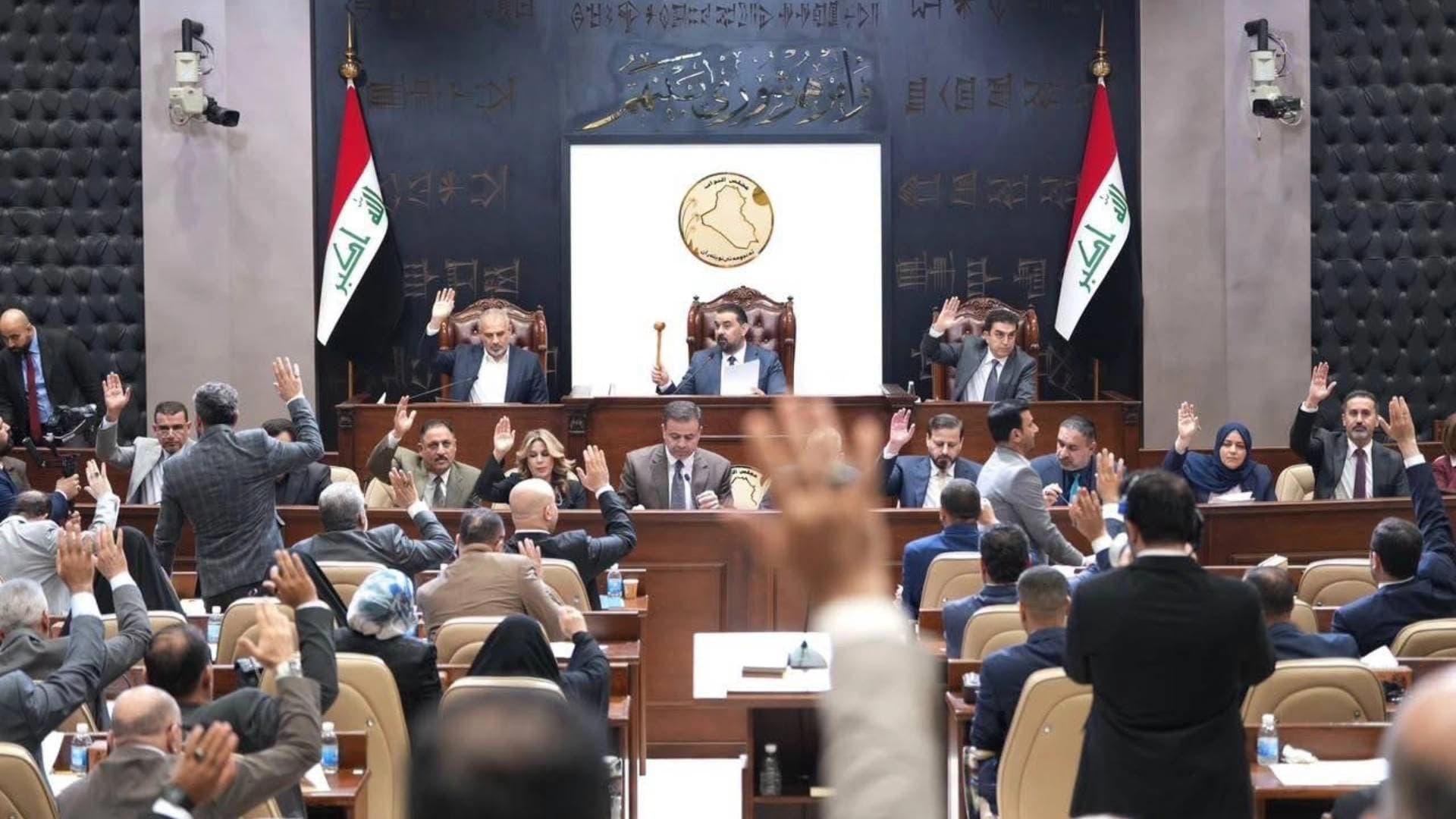
The Iraqi parliament is scheduled to host Electricity Minister Ali Wahib to discuss the power crisis. Iraqi parliament member Salwan Akreyi told Rudaw on Monday that the meeting "will likely take place early next week."