
ERBIL, Kurdistan Region - Political forces within Iraq's ruling Shiite Coordination Framework, including the Khadamat (Services) Alliance, support Prime Minister Ali al-Zaidi's efforts to elevate ties with the United States to a partnership level, a senior Alliance politician told Rudaw on Monday - though he noted that this support remains contingent on tangible outcomes serving Iraq's interests.
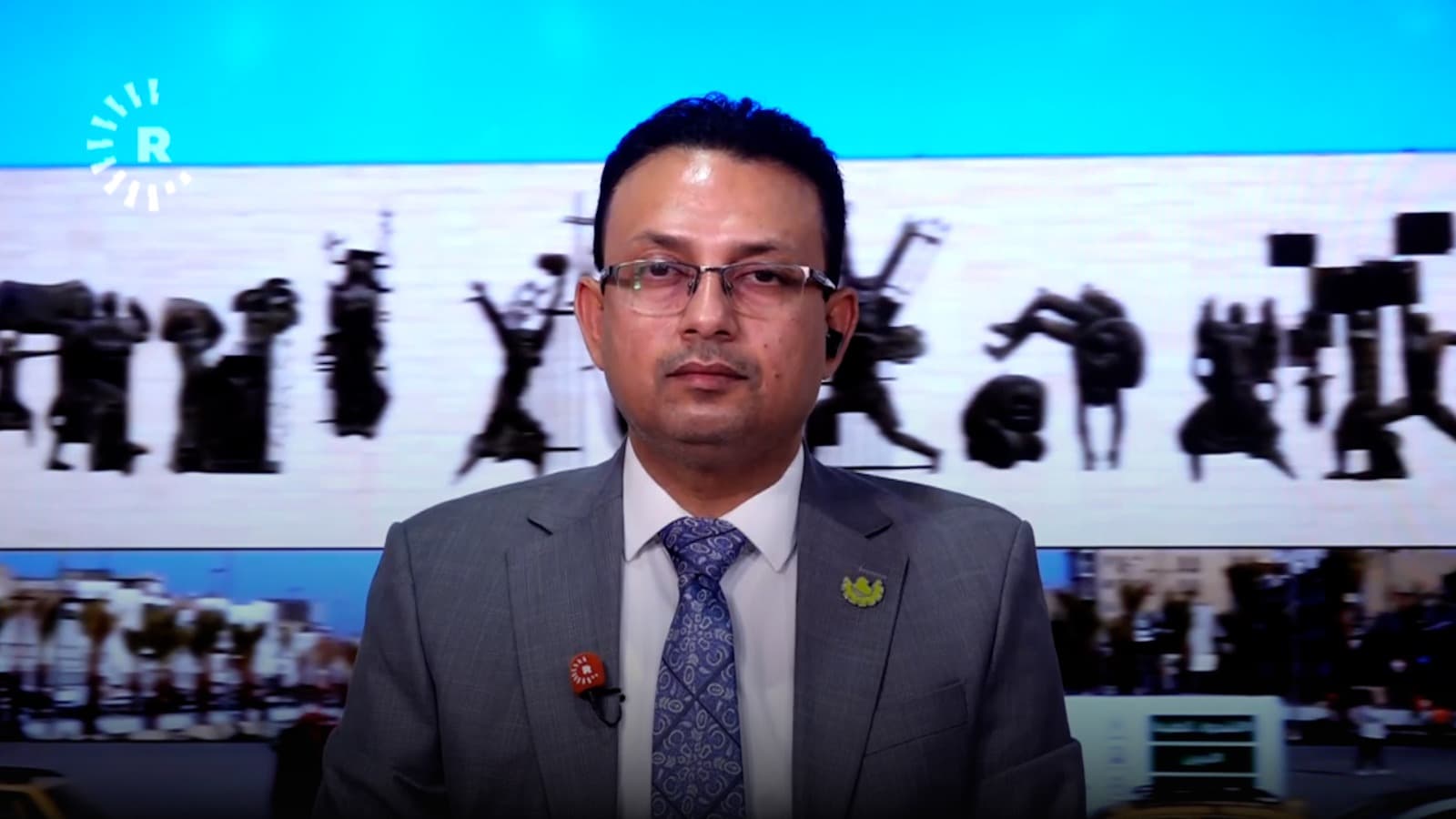
"Iraq is on the verge of a significant development regarding the revitalization of American-Iraqi relations," said Hossam al-Rubaie, spokesperson for the bloc, adding that while these ties already exist, "they have not been fully utilized or invested in effectively."
Rubaie said "all [political] groups support" Zaidi's effort to reshape ties with Washington, but that their support "will be conditioned on the results this visit will achieve for Iraq's interests."
The Iraqi premier commenced his high-profile visit to the US on Monday where he is scheduled to meet with senior US officials, including President Donald Trump.
Rubaei explained that key dossiers on Zaidi’s agenda are "security, economy, combating corruption, and creating a truly secure environment for American companies to enter, invest, and operate in Iraq."
He further noted that the US must also be "serious about revitalizing ties [with Iraq] within the framework of partnership, rather [than] guardianship or imposed dependency."
While "Iraq needs this partnership, it also possesses many advantages, including its strategic geographic location, its oil wealth, and an attractive economic environment" - advantages Rubaei said should be capitalized on and "translated into tangible and practical achievements."
Moreover, the senior Khadamat Alliance politician pointed to the Strategic Framework Agreement, signed between Baghdad and Washington in 2008 to establish a long-term, comprehensive partnership outside a purely military context.
In recent years, US involvement in Iraq was chiefly defined by combat troops. However, the Framework Agreement is designed to guide diplomacy, defense, economics, energy, education, law enforcement, and environmental health.
With the US-led Global Coalition to Defeat the Islamic State (ISIS) set to end its Iraq mission by September, Baghdad has repeatedly affirmed its keenness to anchor its partnership with Washington on the agreement.
Rubaie reiterated "the need to activate the provisions" of the accord and to "examine why many of its clauses have yet to be implemented by the American side," asserting that what Iraq needs is "real and effective implementation" of the 2008 pact.
In early June, Iraqi Prime Minister Zaidi ordered the formation of a committee to oversee the disengagement of political parties and armed factions from the Popular Mobilization Forces (PMF), amid a wider effort by the newly appointed premier to bring paramilitary groups and their arms under state control.
The PMF was established in 2014 during the Islamic State (ISIS) emergence in Syria and Iraq in which large parts of Iraq's north and west were seized.
Created in response to a fatwa, a decree by Iraq's highest Shiite authority, Grand Ayatollah Ali al-Sistani, the PMF was initially an umbrella organization of roughly 70 predominantly Shiite armed groups with 250,000 members.
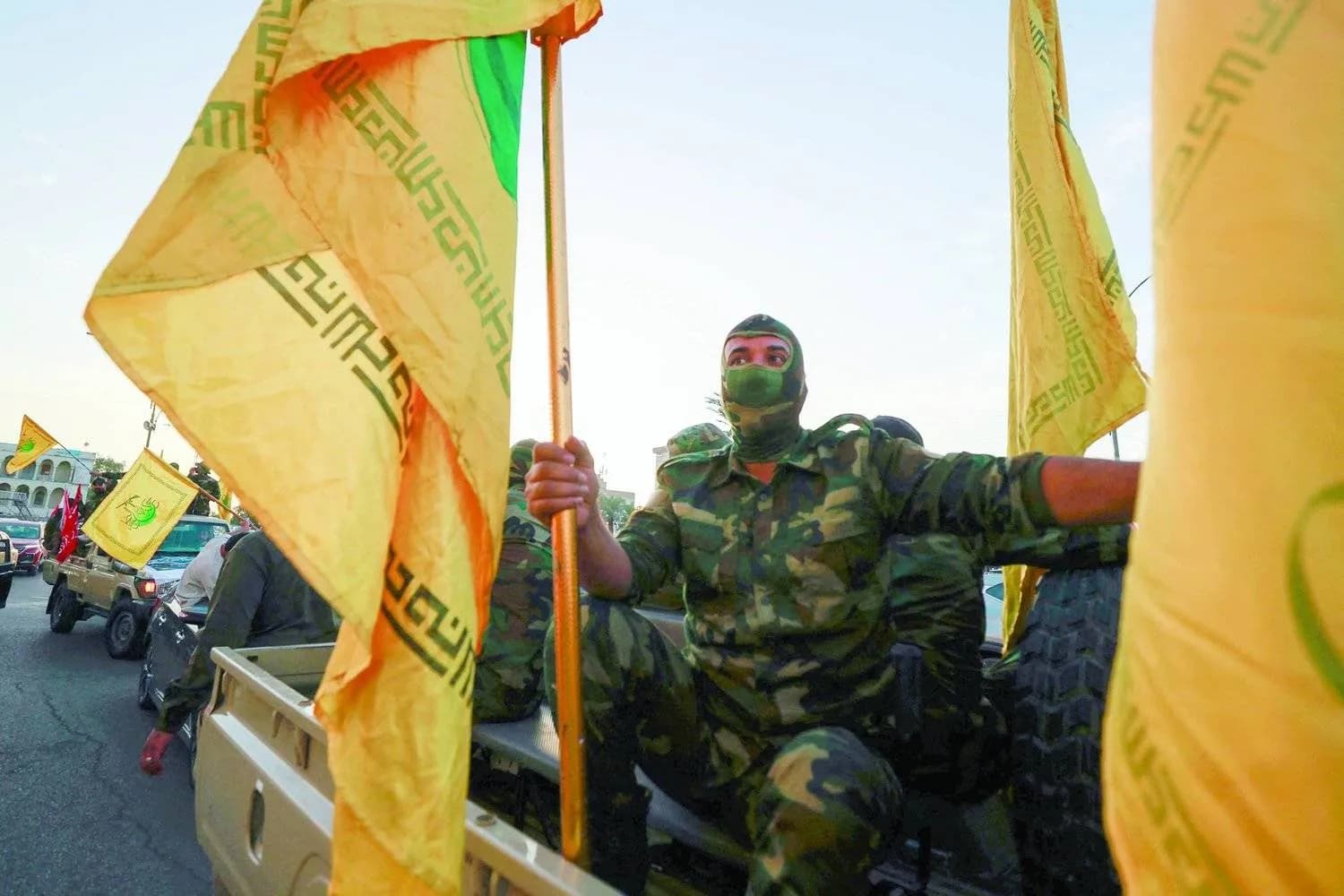
Functioning as a state-funded institution, the PMF includes armed factions widely believed to be cooperating with the Iran-led ‘Axis of Resistance’ - with its core overlap including Asa'ib Ahl al-Haq, Kata'ib Hezbollah, Harakat Hezbollah al-Nujaba, and Kata'ib Sayyid al-Shuhada.
Several of these groups have already begun integrating. By the end of September, with the culmination of the Global Coalition's mission in Iraq, armed groups acting outside state control are expected to disarm completely.
Rubaie expressed confidence that the Zaidi government's push would succeed, as "there is a suitable national framework for implementing" this, and it has become "a major popular demand."
He further explained that the weapons in question are not limited to armed factions . "There are many other uncontrolled weapons that also contribute to instability in Iraq's security environment," he stated. Without a "clear and stable security environment," he warned, "companies will not come to invest in Iraq or create employment opportunities across various sectors."
Still, Rubaie said the incumbent government has "genuine willingness" to advance this initiative, adding that while it “has already made good progress, it could achieve even more positive results by mid-September."