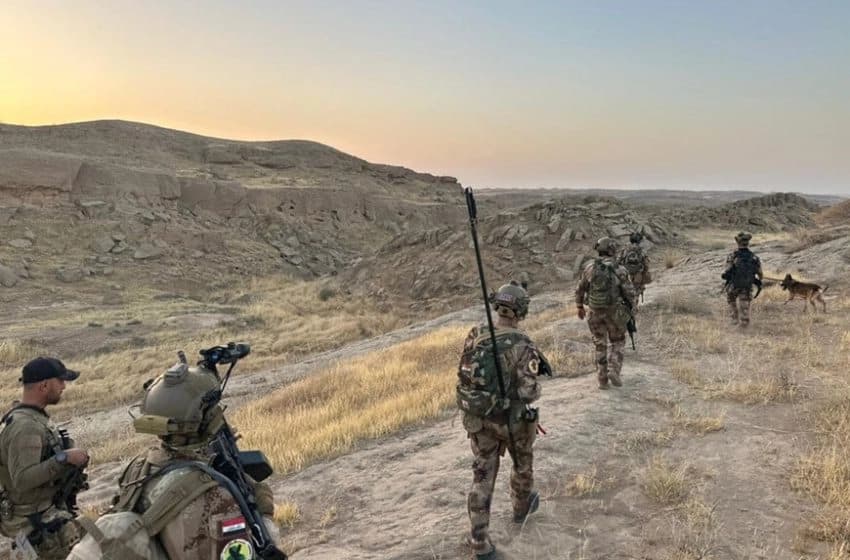

ERBIL, Kurdistan Region - Iraq reaffirmed its commitment to not allow use of its territory or airspace as a launching point for any attacks targeting Saudi Arabia, member states of the Gulf Cooperation Council (GCC), or any other country in the region, as Baghdad and Riyadh stressed the importance of strengthening security cooperation amid regional tensions.
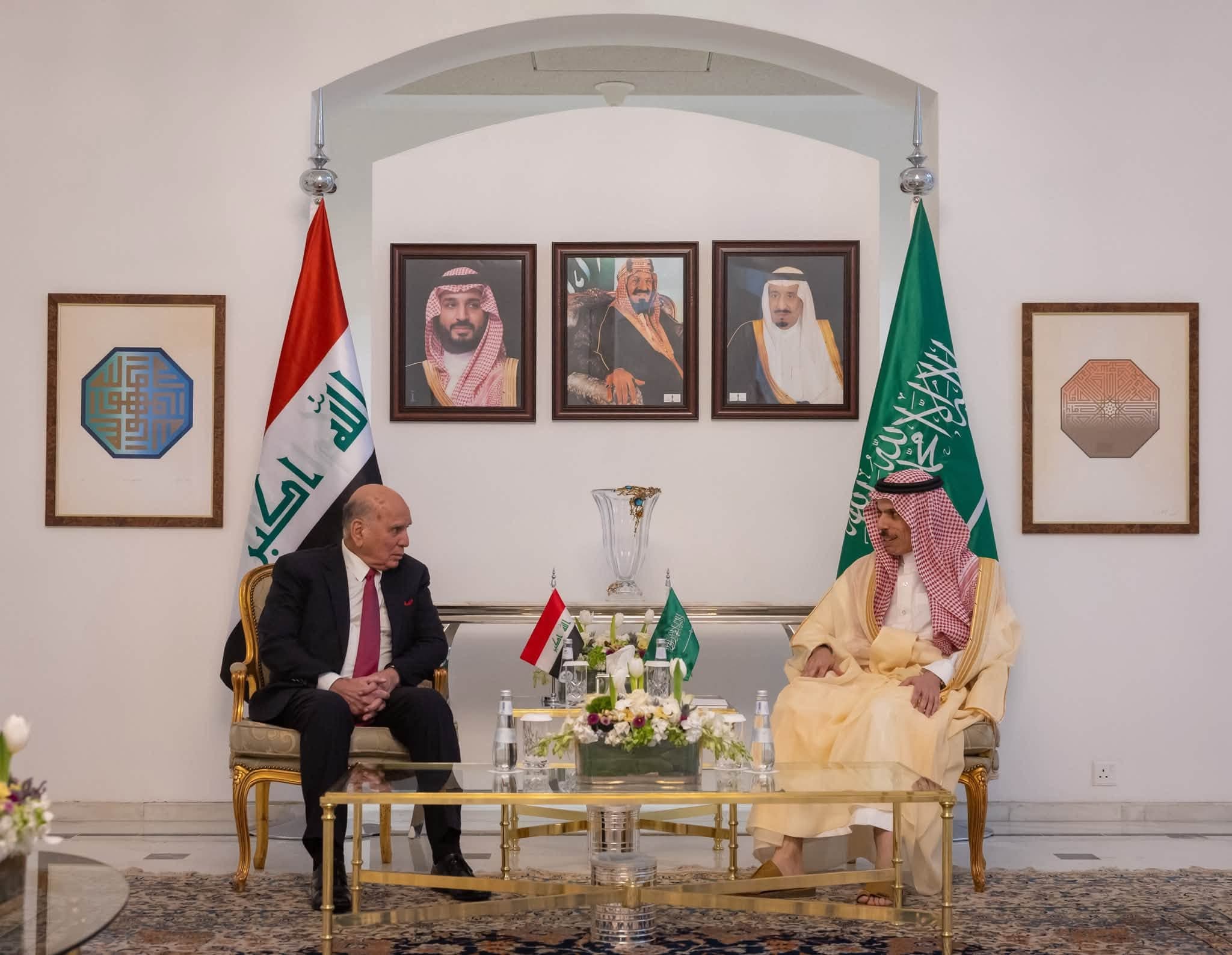
The pledge came during a meeting on Sunday in Saudi Arabia between Iraqi Foreign Minister Fuad Hussein and his Saudi counterpart, Prince Faisal bin Farhan Al Saud, who discussed bilateral relations, regional security and the impact of recent conflicts on stability in the region.
“Iraq reaffirmed its commitment not to allow its territory or airspace to be used as a launching point for any acts or attacks targeting the Kingdom of Saudi Arabia, the member states of the Gulf Cooperation Council, or any other country in the region,” read a statement from the Iraqi foreign ministry.
The statement comes as Trump’s recent declaration on Wednesday stating an end to the ceasefire has raised concerns among Gulf countries over continued Iranian attacks on American assets in the Gulf. Iran has launched repeated attacks targeting American assets and military bases in Bahrain and Qatar since Thursday, after American forces struck approximately 140 military targets, the third round of strikes against Iran in a week, following Tehran's attack on commercial vessels in the Strait of Hormuz.
The meeting also comes as Iraq’s government has pledged to strengthen state control over armed groups, with officials saying militias outside state authority, including Iran-backed groups, would be disarmed by the end of September as part of efforts to reinforce national institutions and security.
During the meeting, Prince Faisal stressed that “Iraq’s security is an integral part of the security of the region,” emphasizing the importance of preserving ties between the two countries and preventing actions that could threaten regional stability.
On his part, Hussein said Iraq remained committed to maintaining balanced relations with all neighboring countries, including Saudi Arabia.
“The repercussions of the recent war had affected the region and influenced the course of these relations,” said Hussein, adding that Iraq had been among the countries most affected by its direct and indirect consequences, including efforts to damage its relations with neighboring states.
The Iraqi foreign minister also highlighted the importance of expanding economic and investment, strengthening energy partnerships and increasing political and security coordination between Baghdad and Riyadh.
Rising tensions and threats over renewed attacks come amid challenges over the administration of transit through the Strait of Hormuz and Iran’s nuclear capabilities, two of the most critical terms outlined in the ceasefire signed in the Pakistan-brokered Memorandum of Understanding (MoU) between the US and Iran in late June.
The US and Israel launched a large-scale aerial campaign against Iran in late February, striking thousands of targets across the country during six weeks of hostilities. In response, Iran carried out thousands of drone and missile strikes across the Middle East, targeting alleged US assets - particularly in Gulf Arab states - as well as launching retaliatory attacks against Israel.