
ERBIL, Kurdistan Region - Kurdish officials have the smallest share among those implicated in a sweeping corruption crackdown in Baghdad, a senior Kurdish lawmaker said Wednesday, as Iraqi authorities pressed on with raids targeting officials and parliamentarians.
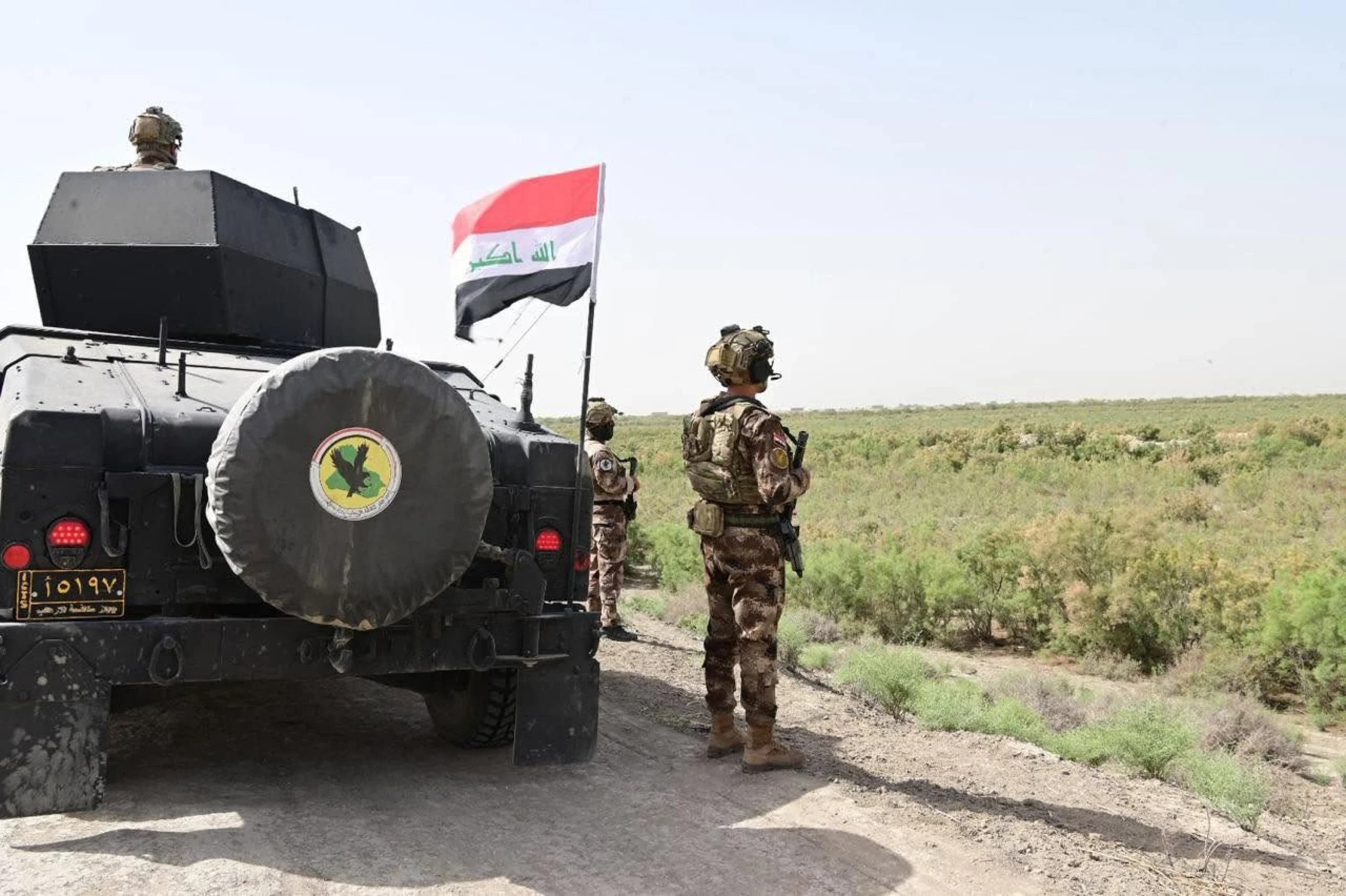
Iraqi authorities have arrested dozens of officials over alleged involvement in corruption and confiscated millions of dollars in cash along with around 100 kilograms of gold, in raids that have drawn broad public support.
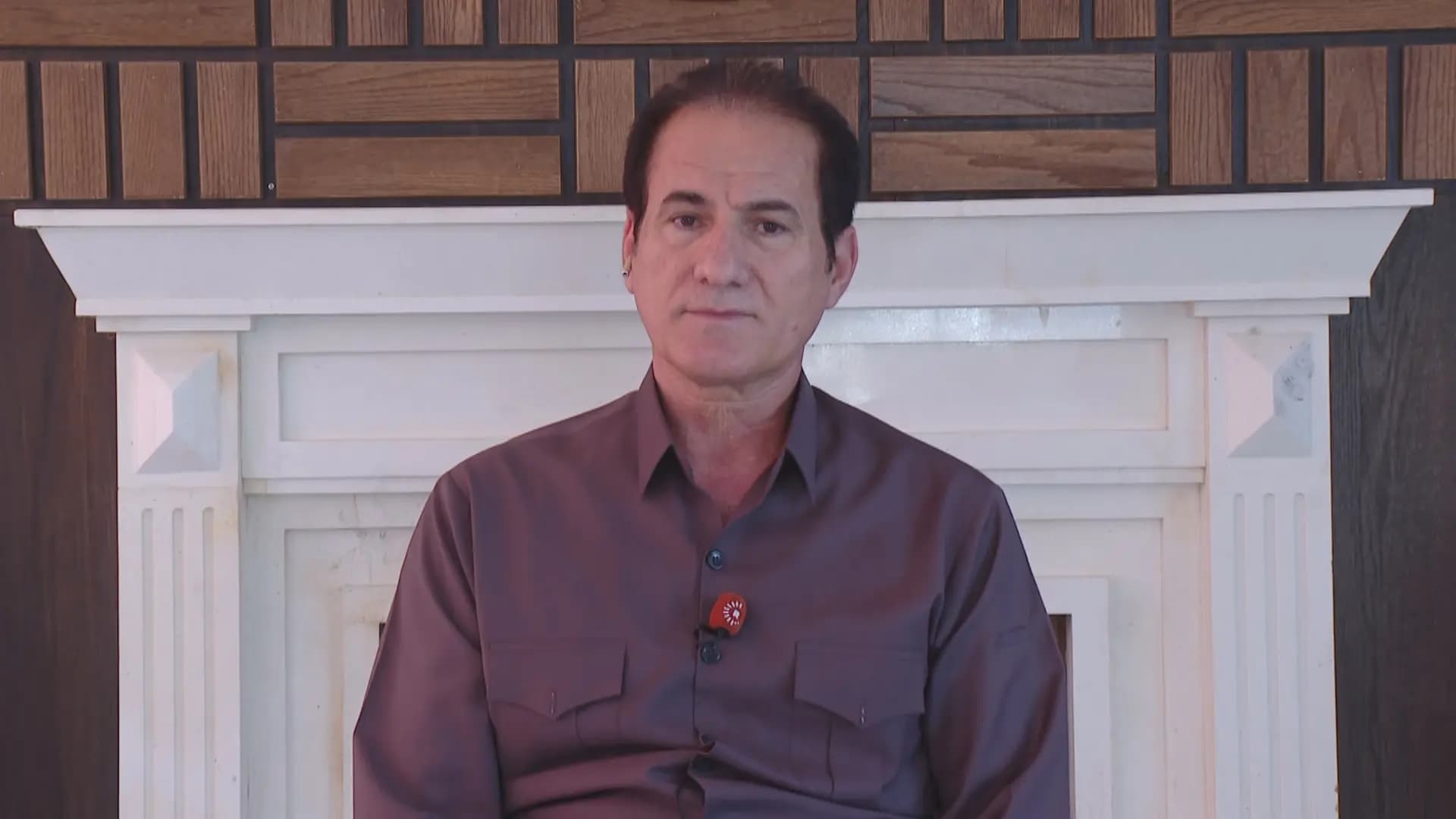
"Kurds get the smallest share of the corruption happening in Baghdad. Large-scale corruption involving several million dollars is not carried out by Kurdish MPs in Baghdad, because the main levers of finance and implementation lie with other components (groups)," Herem Kemal Agha, head of the Patriotic Union of Kurdistan (PUK) bloc in the Iraqi parliament, told Rudaw's Nwenar Fatih.
He said the Kurdistan Region was "not part of the problem at all," adding that it had cooperated with Baghdad in the anti-corruption drive. Erbil has arrested and handed over at least two lawmakers to Baghdad, following arrest warrants issued by the federal authorities as part of the raids.
"As the PUK, we fully support the courts, the government, and Iraq's institutions in confronting and rooting out corruption, and we support the rule of law and justice for anyone with a case against them," he said.
The raids, codenamed Operation Dawn, are being carried out under Prime Minister Ali al-Zaidi in coordination with Iraq's Federal Commission of Integrity.
Iraq ranked 136th out of 182 countries on Transparency International's 2025 Corruption Perceptions Index, scoring 28 out of 100 - reflecting what the watchdog considers a high level of public-sector corruption.
There have been conflicting reports over the extent of Kurdish officials' involvement in the Baghdad corruption cases.
Daner Abdulghafar, spokesperson for the Kurdistan Democratic Party (KDP) bloc in the Iraqi parliament, said corruption in Iraq had spread across all sectors and become entrenched.
He told Rudaw there were concerns the anti-corruption drive could be used for "political cleansing," "defamation," and covering up sensitive files.
He said the process "raises dozens of questions," adding there was suspicion that the timing was meant to distract from other sensitive issues, particularly efforts to disarm armed groups.
Abdulghafar also said some parties were seeking to "forcibly put the names of Kurdish officials on the corruption list," and accused unnamed actors of deliberately smearing Kurdish officials in the media.