ERBIL, Kurdistan Region - Iraqi leaders on Wednesday reaffirmed the country's push to "enhance ties" with Gulf Arab states, underlining the new administration's policy of constructive cooperation with the region. The remarks came during a rare visit to Baghdad by the Gulf Cooperation Council (GCC) head, following the Iran war that saw attacks on Gulf Arab states, some of which were reportedly launched from Iraqi soil.
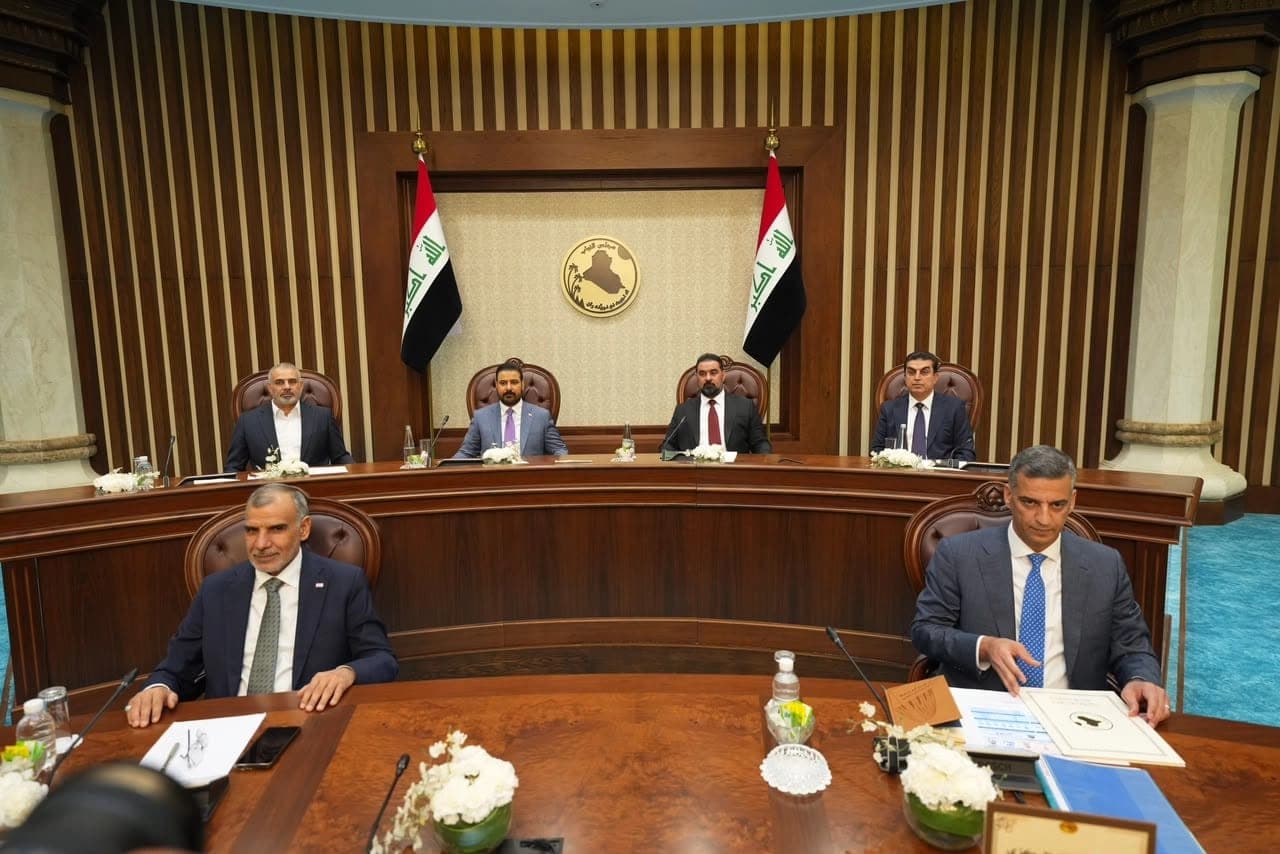
Iraqi Prime Minister Ali al-Zaidi met with GCC Secretary-General Jasem Mohamed Albudaiwi, discussing "relations between Iraq and the brotherly Gulf Arab states, as well as ways to strengthen mutual cooperation in various fields to enhance shared interests and support the foundations of development and prosperity," read a statement from the premier's office.
Zaidi further expressed his government's keenness to "strengthen relations with the Gulf countries," noting that "Iraq will witness a new phase based on building a modern state with full sovereignty, a resilient economy, the enforcement of the law, and the respect and strengthening of relations with its Arab, regional, and international surroundings."
For his part, the senior GCC official was quoted as lauding "the reformative steps" initiated by Zaidi "to strengthen the economy, combat corruption, restrict weapons to the authority of the state, and build strong relations with Gulf Arab states," while also expressing the bloc's readiness to expand cooperation with Iraq “across various levels and fields."
Iraqi President Nizar Amedi also emphasized to Albudaiwi that Iraq is pursuing "a policy of openness and constructive cooperation with its regional and international surroundings," pointing to "the importance of expanding fields of joint action to achieve mutual interests," according to a statement from his office.
Amedi further stressed "the need to intensify coordination and consultation regarding critical issues in a manner that supports security, stability, and development in the region," underlining that "the security of Iraq and the security of the Gulf states are interconnected and complement one another," and urging "strengthening joint cooperation" to foster "stability and prosperity in the region and achieving the common interests of its peoples."
The GCC secretary-general was quoted as responding positively, affirming "the Council's keenness to continue joint work with Iraq and to expand the scopes of partnership and integration to support regional security and stability."
Similarly, Iraqi Speaker Haibet al-Halbousi discussed with Albudaiwi "relations between Iraq and the brotherly states of the Gulf Cooperation Council, as well as ways to consolidate mutual cooperation in various fields, including security, to enhance shared interests," his office said in a statement, further quoting Halbousi as emphasizing "Iraq's keenness to strengthen its relations with the Arab Gulf states, to cooperate in all areas, and to coordinate on issues of common interest."
The big picture
The GCC's secretary-general has made two high-profile official visits to Baghdad in recent years. The first was held in late July 2023, where he chiefly focused on economic reintegration between Iraq and the Gulf states, specifically through connecting Iraq to the GCC electrical grid, boosting joint investments, and inviting Iraq to the Gulf-Iraqi Economic Forum.
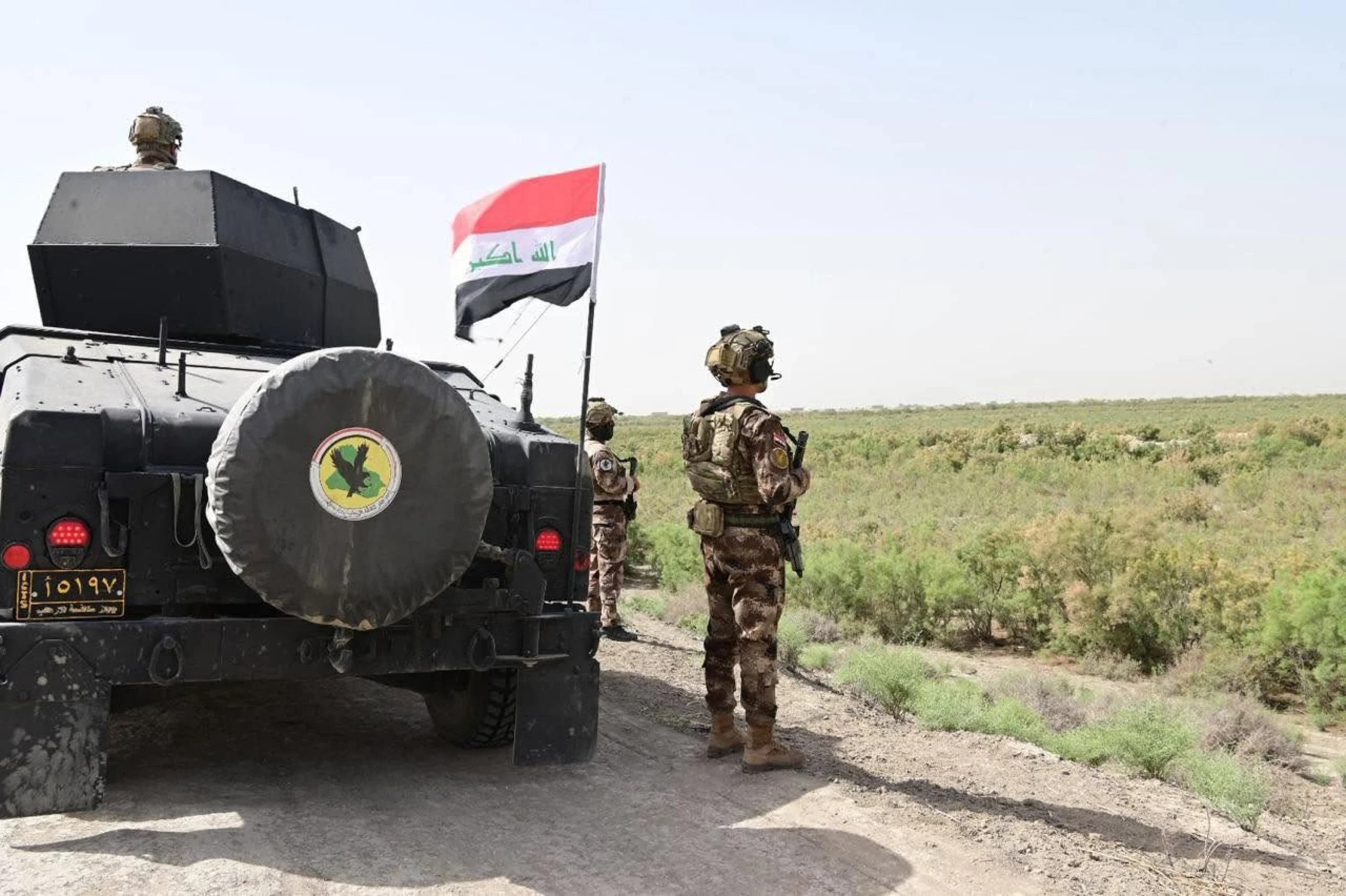
The second visit by Albudaiwi began on Tuesday but saw a notable shift, taking on a heavy security and de-escalation focus in the wake of the Iran war and the drone strikes on Gulf Arab states, some of which originated from Iraq.
The United States and Israel launched a large-scale aerial campaign against Iran in late February, striking thousands of targets across the country during six weeks of hostilities.
In response, Iran carried out thousands of drone and missile strikes across the Middle East, targeting alleged US assets - particularly in Gulf Arab states - as well as launching retaliatory attacks against Israel.
The Iranian response has also included strikes by factions aligned with the Iran-led ‘Axis of Resistance’, including by shadowy armed groups in Iraq that have claimed numerous attacks against alleged US targets in the country and the wider region.
In mid-April, the United Arab Emirates (UAE) handed the chargé d’affaires at the Iraqi embassy a “strongly worded” letter of protest over what it described as “terrorist attacks” launched from Iraqi territory by Iran-aligned armed groups targeting facilities in Gulf Arab states, warning that the continuation of such attacks places ties with Baghdad “under highly sensitive strain.”
Shortly after taking office in late May, Iraqi Prime Minister Zaidi condemned the "criminal acts that targeted the sisterly Kingdom of Saudi Arabia and the United Arab Emirates," stressing Iraq's rejection of the use of its territory as a launchpad for "attacks against sisterly and friendly countries."
Further highlighting his efforts to mend fences with Gulf Arab states, Zaidi ordered the establishment of "a high-level investigative committee" to work jointly with authorities in Abu Dhabi and Riyadh to uncover the circumstances surrounding the attacks.
Moreover, the incoming premier has since taking office been leading a push to bring the weapons of Iran-aligned armed groups in Iraq under state control, and on Monday set late September as a final deadline for disarmament.
In a joint press conference he held with Iraqi Foreign Minister Fuad Hussein, Albudaiwi reiterated the GCC's condemnation of the recent attacks on Gulf states by Iran and its regional "agents," while praising Baghdad's efforts to prevent such strikes from originating within its borders.
RELATED: Iraq, GCC pledge stronger ties amid cross-border attack concerns