
ERBIL, Kurdistan Region - More than 200 cases of Crimean-Congo Hemorrhagic Fever (CCHF) have been recorded in Iraq since the start of this year, Baghdad's health ministry reported Tuesday, adding that 16 fatalities have also been registered nationwide, including in the Kurdistan Region.
“Confirmed Hemorrhagic Fever cases recorded since the start of 2026 through the last week of June reached 219, with 16 deaths,” Iraqi health ministry Spokesperson Saif al-Badr told the state-run Iraqi News Agency (INA) on Tuesday.
Badr pointed to the southern Dhi Qar province as the worst-hit, with 101 cases and eight fatalities, and noted at least five cases recorded in the Kurdistan Region's Erbil and Sulaimani provinces, with at least one death in the latter.
In June alone, "23 confirmed cases and three deaths have been recorded," the health ministry official further stated, with Dhi Qar recording 10 infection cases and two confirmed deaths.
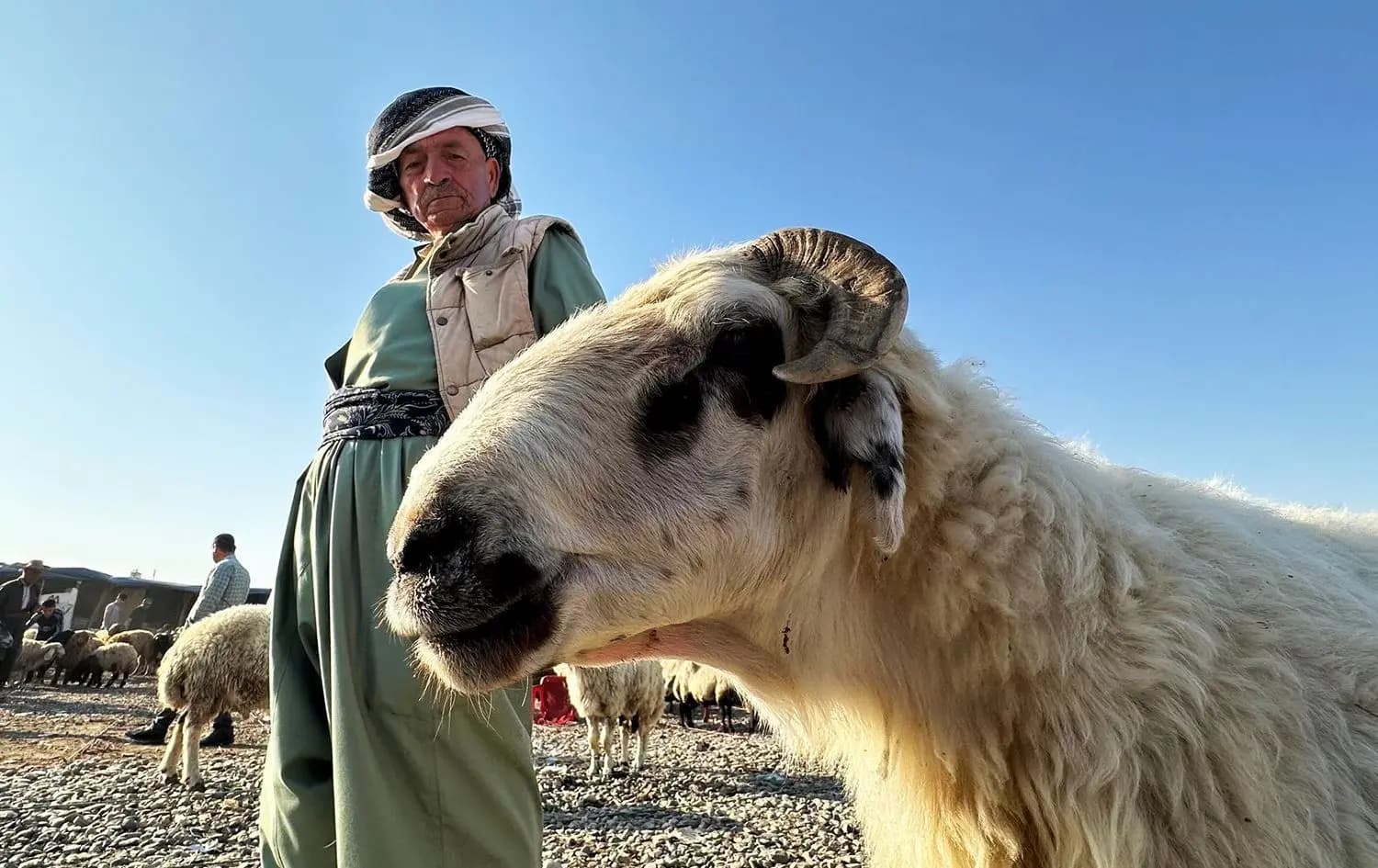
CCHF is a highly contagious viral disease transmitted through several channels, including bites from infected ticks, direct contact with the blood or tissues of infected animals, exposure to bodily fluids of infected people, and consumption of raw or undercooked meat from infected livestock.
The latest data from the health ministry point to a sharp rise in cases as earlier in June, it had reported 145 transmissions and nine fatalities.
Accordingly, Badr on Tuesday reiterated the importance of continued "awareness raising and health education campaigns, in addition to strengthening early detection, diagnosis, and treatment measures, which have proven effective when the disease is diagnosed early."
He urged citizens to adhere to preventive measures to reduce transmission, "most importantly purchasing meat exclusively from officially approved and health-certified slaughterhouses, preventing random grazing and slaughter within residential neighborhoods, wearing gloves and protective clothing when handling animals,” as well as “regularly washing hands and disinfecting tools used in handling meat, and storing meat at very low freezing temperatures and cooking it at very high temperatures for a sufficient time."
While Iraq's central and southern provinces have frequently witnessed major outbreaks of the fever, infections and fatalities in the Kurdistan Region have been markedly lower. In 2025, the Region registered only seven cases, while Iraqi authorities documented 247 infections and 37 fatalities nationwide.
Moreover, preventive efforts have been ongoing for months across Kurdistan, with authorities urging the use of protective equipment such as gloves, masks, and goggles, particularly for those working in close contact with animals. Veterinary hospitals have also stepped up tick control campaigns since late April as part of broader containment measures.