
ERBIL, Kurdistan Region - A member of the Finance Committee in Iraq's parliament said on Sunday that corrupt officials have embezzled federal funds equivalent to the country's annual budget, arguing that the government's sweeping anti-corruption campaign prevented what could have become Iraq's largest corruption scandal.
"I expect that an amount equal to Iraq's annual budget can be recovered from these corrupt individuals because massive corruption has occurred," Jamal Kochar, Finance Committee member, told Rudaw in an interview on Sunday.
"If these steps were not taken, the largest corruption in Iraq would have occurred in 2027, as they all spent billions of dinars [on campaigns] to become MPs only to steal it back later," he said, emphasizing that the timing of the operation was critical.
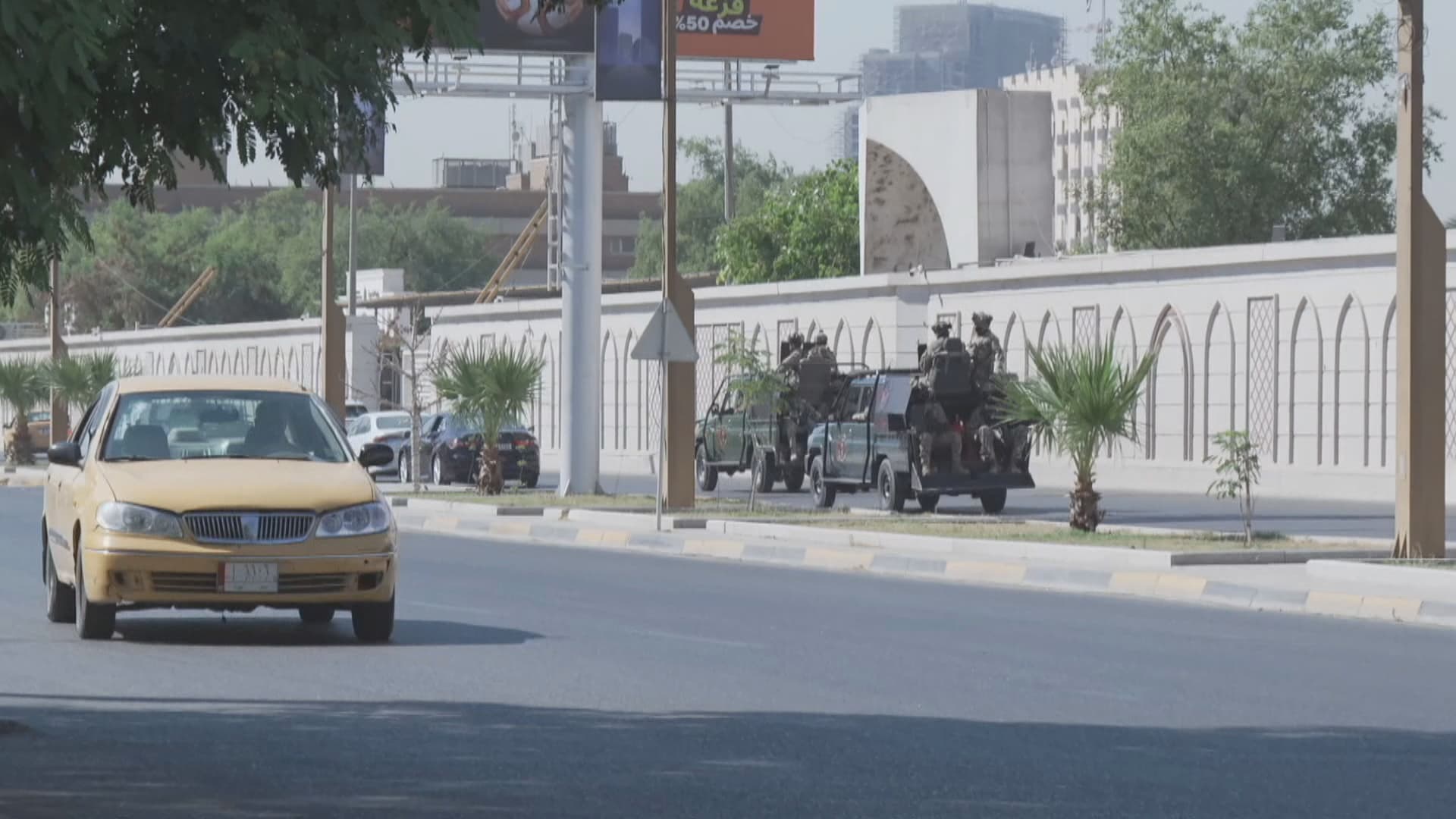
The remarks come as Iraq's Commission of Integrity, an independent governmental body responsible for investigating corruption, announced the arrest of 47 suspects, including lawmakers and senior officials, during a large-scale security operation launched early Sunday as part of an expanding corruption investigation.
"If it weren't for this operation, Iraq's low budget and current revenues would have driven people to the streets," Kochar said. "This is because revenues are low while Iraq owes trillions of dinars and must pay both contractors and the salaries of public employees,” he said, referring to Iraq’s delays and failure to pay salary disbursements to civil servants in Federal Iraq and the Kurdistan Region.
Kochar argued that the crackdown prevented massive losses from the country's next budget and “is a lesson for all officials that they cannot manage their affairs as their predecessors did."
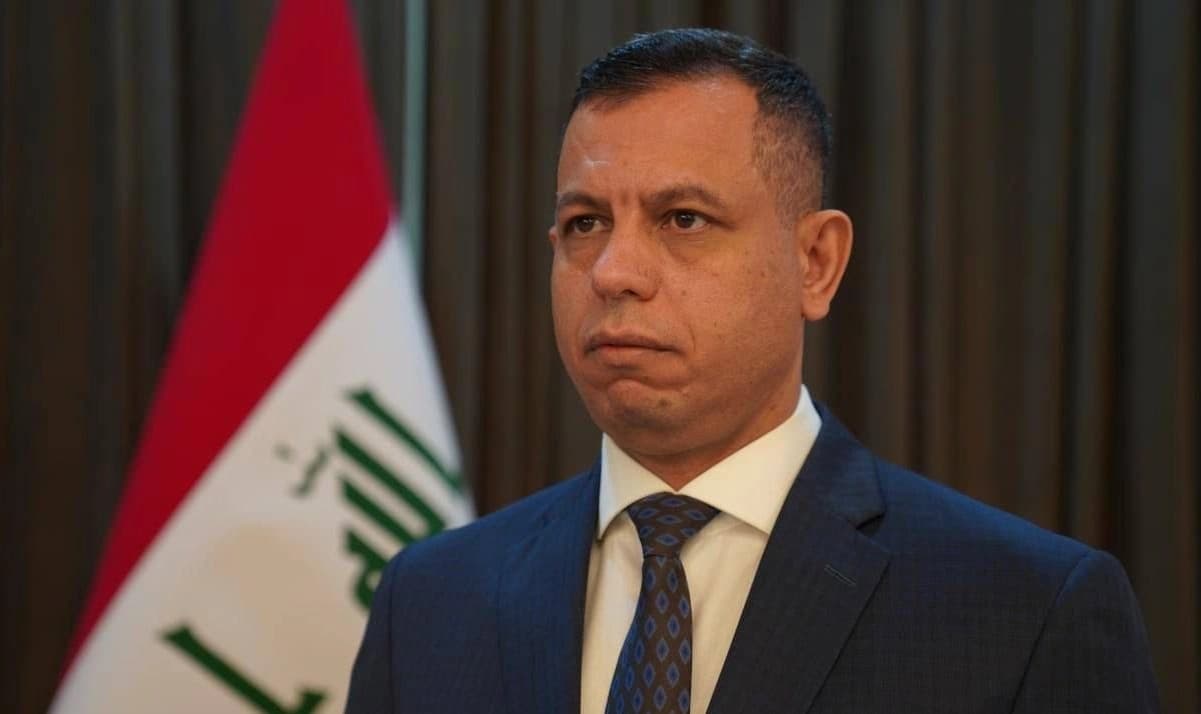
The crackdown marks the first major anti-corruption campaign under Prime Minister Ali al-Zaidi, whose government has pledged sweeping reforms aimed at combating corruption and reducing Iraq's dependence on oil revenues.
Kochar also suggested the campaign strengthens Zaidi's position internationally.
"Furthermore, Ali Zaidi must have something in hand to show he is working before he goes to the US, so that they will assist him," he said.
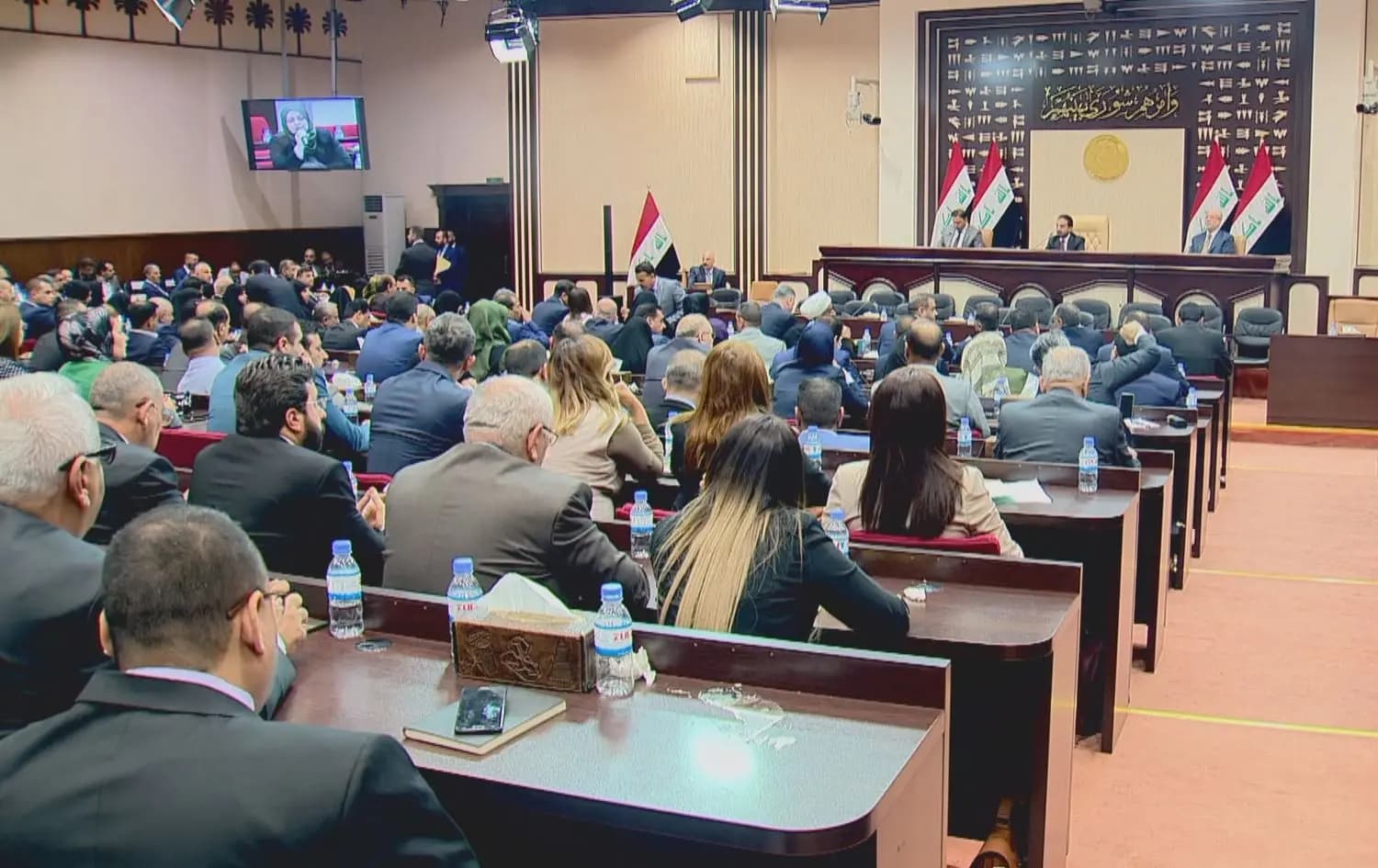
The lawmaker said parliament's legislative recess made the arrests easier, as lawmakers' immunity would otherwise have required a parliamentary vote to lift.
According to Kochar, Iraq's financial difficulties stem not from a shortage of funds but from years of embezzlement.
"This corruption has been ongoing since 2010," he said, adding that Iraq "has not faced a liquidity problem, but rather a problem of money being stolen."
He also stressed that the investigation spans multiple governments.
"A group of corrupt individuals united and were all in agreement with one another," Kochar said. "Those arrested were not just from Sudani's government; some were from governments from many years ago. So far, people have been arrested in eight provinces, and I expect the investigations to continue for several years and for more people to be exposed."