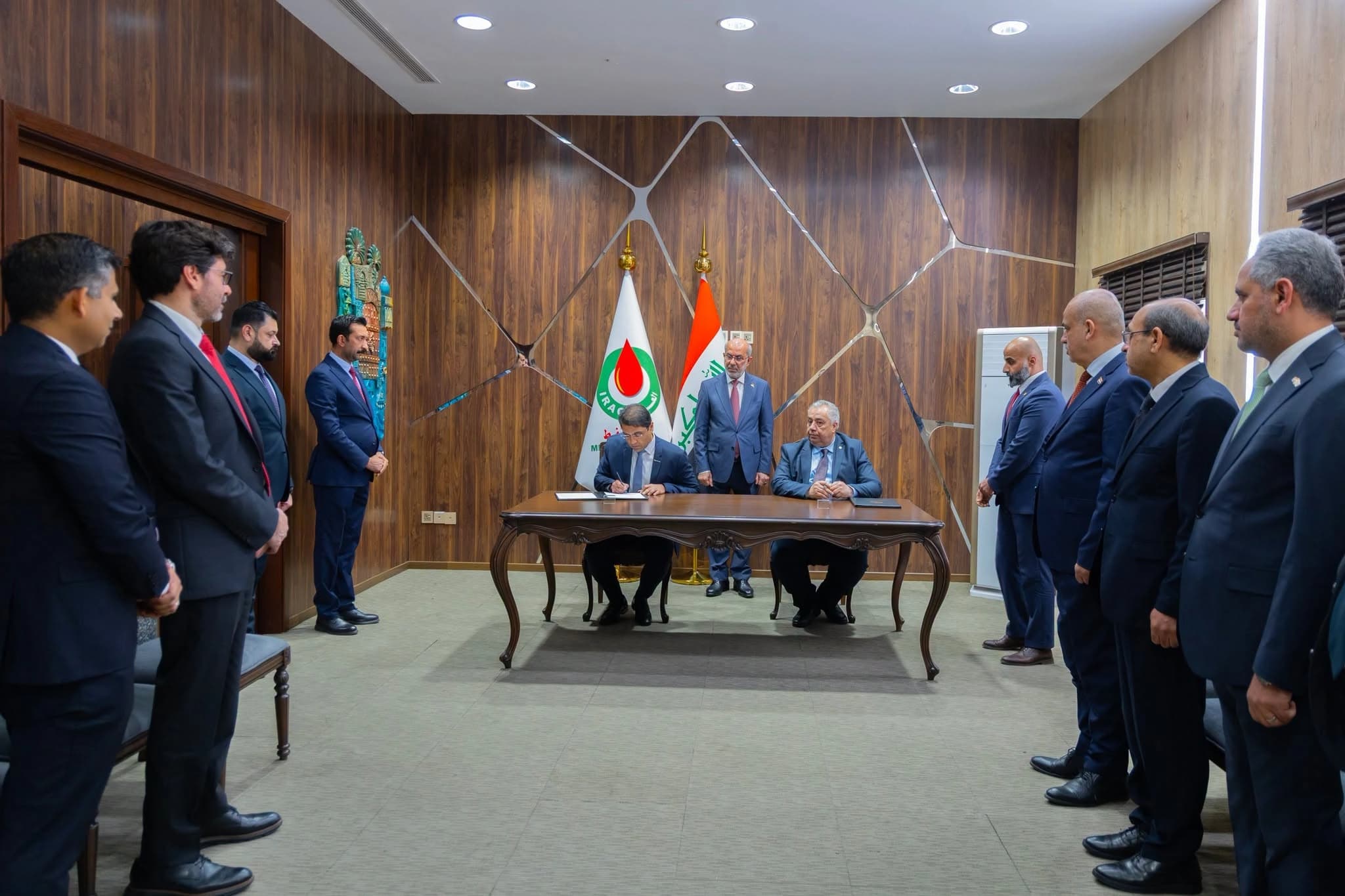
ERBIL, Kurdistan Region - The joint security committee formed to assess the security situation of oil fields in the Kurdistan Region has completed its work and submitted its report to Iraqi Prime Minister Ali al-Zaidi, marking a step toward protecting oil fields from missile and drone attacks.
According to officials, Baghdad has undertaken responsibility for guaranteeing the protection of the oil fields and the safety of workers, as international companies prepare to resume production at full capacity.
Sipan Sherwani, a member of the Iraqi parliament’s oil and energy committee, told Rudaw's Ziyad Ismael on Monday the process has reached its final stages.
“Yes, the reports are complete. They have been submitted. Zaidi has provided a guarantee in writing to the oil companies to resume their operations,” Sherwani said when asked about the report. “We anticipate that in the coming days, based on statements from the oil companies, oil exports from the Kurdistan Region will increase to over 205,000 barrels per day.”
Oil companies operating in the Kurdistan Region have faced repeated disruptions in recent months following drone attacks on energy infrastructure following the outbreak of the US-Iran war in late February, which led several firms to suspend or scale down operations. In response, companies have sought firm assurances from both Baghdad and Erbil that such incidents will not recur.
A central issue in the negotiations has been the provision of air defense systems to protect oil fields from missile and drone threats.
Sabah al-Numan, spokesperson for the Commander-in-Chief of the Armed Forces, said Monday Iraq is already moving ahead with defense contracts but emphasized that final decisions rest with the defense establishment.
“The Iraqi ministry of defense has contracts with major international companies to install advanced air defense systems,” Numan told Rudaw. “Ultimately, it is the vision of Iraq and the ministry of defense that determines the necessary type of defense system, its source, and the mechanism of the contract.”
He added that, due to gaps in existing national defense coverage, some foreign companies are planning interim measures. These include specialized detection systems around Kirkuk and Mosul provinces - which border the Kurdistan Region - that would provide early warning and activate sirens in the event of an attack.
Rudaw has learned that Erbil and Baghdad have also agreed on a broader security arrangement in which, once air defense systems are installed near the oil fields, Peshmerga forces will remain deployed in these locations after receiving training. Their role would be to protect oil infrastructure from potential drone and missile attacks by outlaw groups.
The developments come as Iraq seeks to stabilize its energy sector following months of disruption. Iraqi government spokesperson Haider al-Aboudi said Sunday the state is committed to supporting energy firms, noting that oil production is closely tied to public finances and salaries in the Kurdistan Region.
“The state provides full guarantees to oil companies operating in Iraq, particularly in the Kurdistan Region, as this is linked to the salaries of the Region's employees,” Aboudi said during a press conference in Baghdad.
An informed source told Rudaw's Hastyar Qadir on Tuesday that oil companies resuming operations in the Kurdistan Region fall into three categories: those damaged by drone attacks needing up to a year to recover, undamaged firms restarting within weeks, and others outside the Baghdad–Erbil deal currently in talks with the Kurdistan Regional Government (KRG).
Currently, oil production in Iraq stands at 1.5 million barrels per day (bpd). This shortfall is attributed to the decrease in exports and the withdrawal of some companies. Before the war, Iraq’s daily production was 4.5 million barrels, with exports exceeding 3.2 million bpd.
According to the source, Baghdad is also pushing for higher export capacity through northern routes.
“The Iraqi government has expressed its desire to increase oil exports through the Turkish port of Ceyhan to 750,000 barrels per day. This would consist of 250,000 barrels from the Kurdistan Region, 250,000 barrels from Kirkuk, and another 250,000 barrels from fields in central and southern Iraq, which would be transported by tanker to Kirkuk and exported through the Kurdistan Region's pipeline,” the source added.
The source predicted that returning the Kurdistan Region's production to the level of 250,000 barrels would take approximately one year due to the damage sustained by some fields following drone attacks.
However, Salim al-Rukabi, spokesperson for the Iraqi Ministry of Oil, told Rudaw on Tuesday that the government has already issued directives aimed at accelerating the resumption of production, while acknowledging that companies remain cautious due to security conditions.
“Regarding the timing of the resumption of production, the Prime Minister has ordered companies to return to work immediately, but the companies are still monitoring the situation in the Region before deciding when to return,” he said.
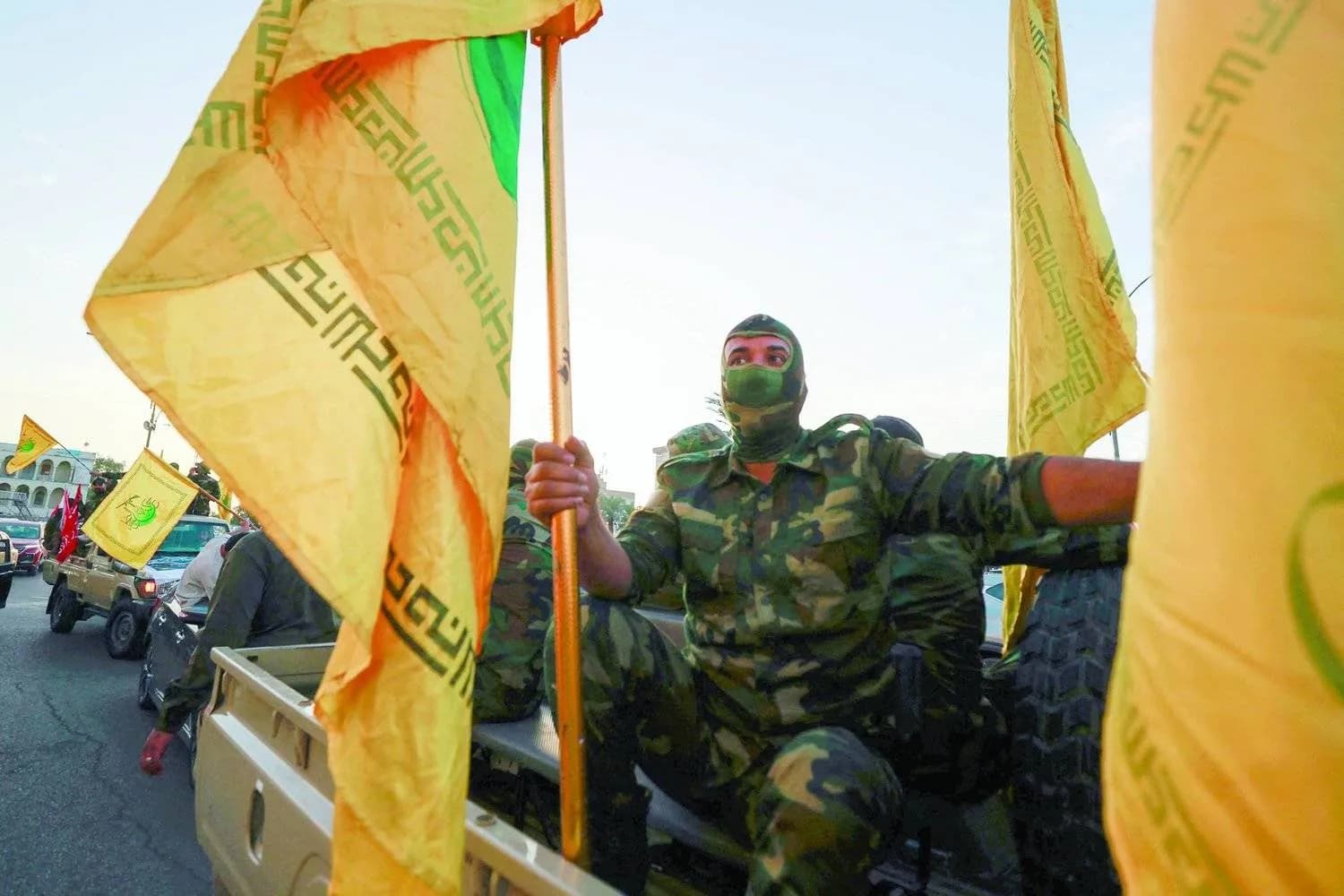
A series of drone strikes targeted oil fields during the Iran conflict, when infrastructure in the Kurdistan Region came under repeated attack. Companies have since insisted on stronger protection guarantees before fully restoring output.
Iraq exports nearly 90 percent of its oil through its southern ports, which have a monthly export capacity of around 92 million barrels. Exports have fallen sharply since late February, dropping to just 10 million barrels in April.
Baghdad has also been seeking alternative export routes amid recent disruptions in the Strait of Hormuz.