
ERBIL, Kurdistan Region - Iraq will provide "full guarantees" to oil companies operating in the Kurdistan Region in an effort to support the sector and safeguard the payment of public sector salaries, Iraqi government spokesperson Haider al-Aboudi said on Sunday.
"The state provides full guarantees to oil companies operating in Iraq, particularly in the Kurdistan Region, as this is linked to the salaries of the region's employees," Aboudi said at a press conference in Baghdad, highlighting the federal government’s commitment to backing energy companies in the Kurdistan Region, where oil production has been disrupted following a series of drone attacks on oil fields earlier this year.
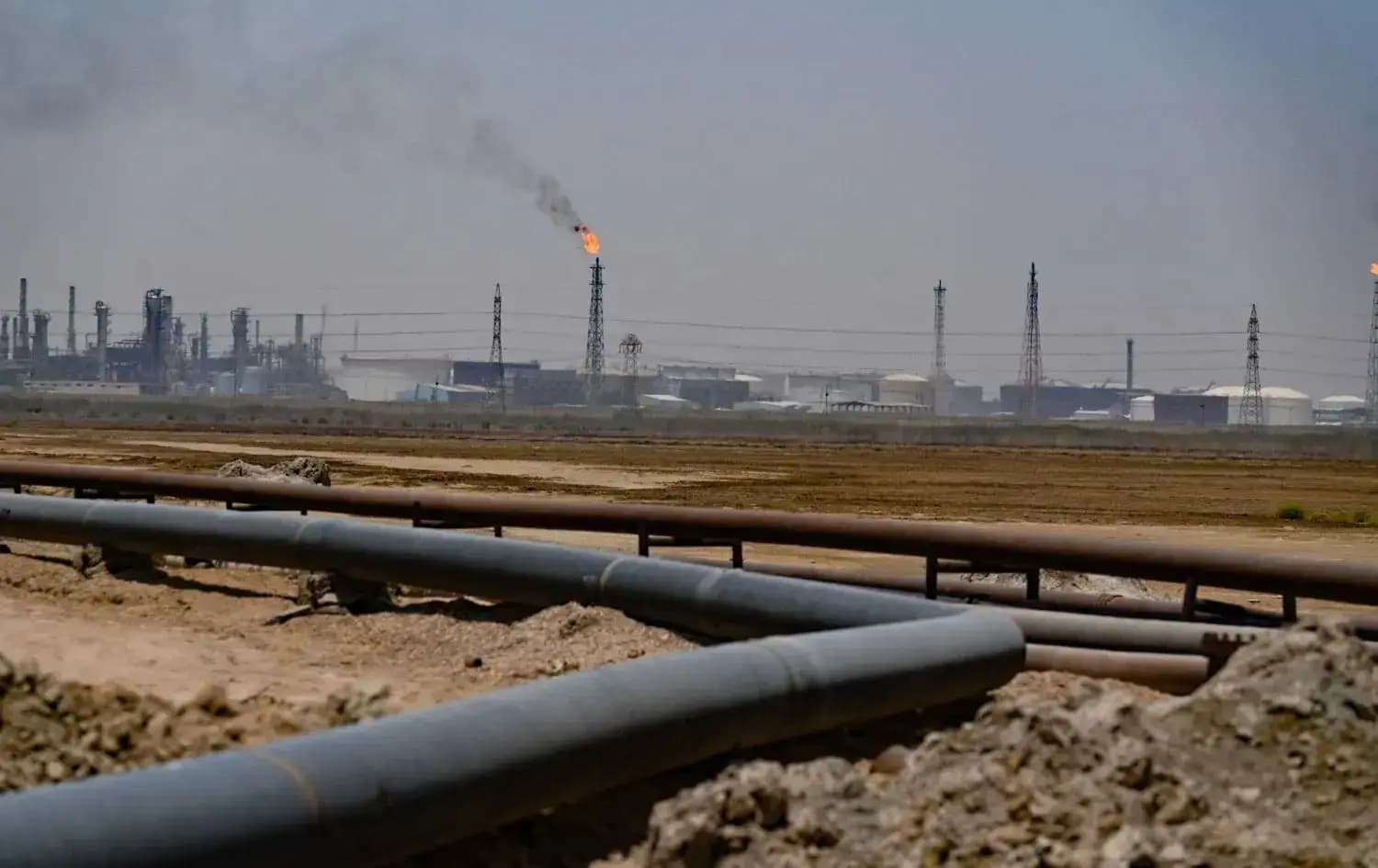
Several international oil companies have suspended or reduced operations in the Kurdistan Region after drone strikes targeted oil infrastructure following the US-Iran war that lasted nearly six weeks beginning late February.
This comes amid further deterioration of the security situation during the conflict, with Rudaw's tracker showing at least 865 projectiles launched toward the Kurdistan Region by Iran and Iran-aligned groups in Iraq.
The companies have since sought assurances from Baghdad and Erbil that such attacks will not be repeated before fully resuming operations.
On Saturday, Iraqi Prime Minister Ali al-Zaidi expressed determination to provide air defense protection for oil fields in the Region in a bid to enable international companies to resume full operations, Kurdistan Regional Government interior minister Reber Ahmed told Rudaw.
"The federal prime minister is very serious about this issue," Ahmed said, adding that Zaidi has repeatedly emphasized doubling down on his commitment.
Iraq's oil production remains significantly below pre-war levels as the country seeks alternative export routes following months of disruption caused by the closure of the Strait of Hormuz during the Iran war.
“Iraqi crude oil production on a daily basis stands at nearly 1.5 million and half barrels per day,” Iraqi oil ministry spokesperson Salim al-Rikabi told Rudaw on Sunday, adding that following the reopening of the Strait of Hormuz, “the ministry's plan is to increase exports by sea instead of using tankers, while maintaining exports via tankers from the northern outlets.”
The dramatic decline in oil exports has pushed Iraq to seek alternative routes, including through the Kurdistan Region's pipeline to Turkey and overland routes through Syria.
Regarding exports through the Kurdistan-Ceyhan pipeline, the spokesperson said, “we have a plan to increase these exports, especially after the completion of the Basra-Haditha pipeline, which increased the volume of oil transported from the southern regions to the northern regions to 2 million barrels.”
Iraq exports nearly 90 percent of its oil through its southern ports, which have a monthly export capacity of around 92 million barrels. Exports have fallen sharply since late February, dropping to just 10 million barrels in April.