ERBIL, Kurdistan Region - Many Kurds who moved from western Iran (Rojhelat) to Tehran in search of jobs and better business opportunities are now facing similar economic hardships, as the ongoing war and soaring inflation take a toll on businesses and erode purchasing power across the capital.
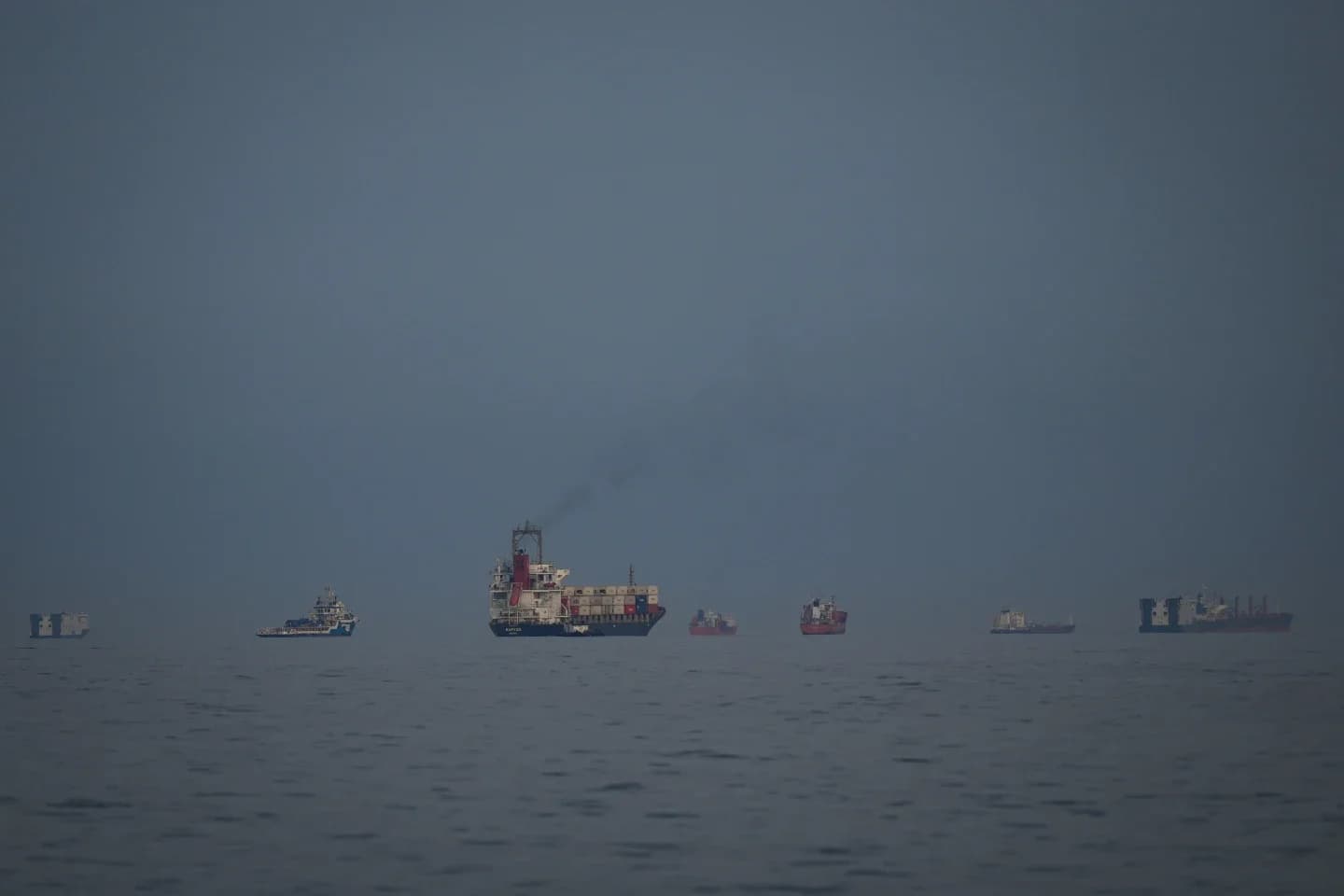
Iran's economy, already weakened by years of US sanctions, has come under further pressure from the war and a US naval blockade that has disrupted trade and oil exports, fueling inflation and placing additional strain on businesses and households.
Saman Amiri, a Kurdish shopkeeper in Tehran, told Rudaw on Monday that business in the capital remained better than in his hometown in western Iran, but the economic situation had deteriorated in recent months. "Due to the ongoing conflict and inflation, people's purchasing power has plummeted," Amiri said.
Ashkan Yasini, a Kurdish vendor originally from Bokan of west Azerbaijan province, told Rudaw that he moved to Tehran because of a lack of employment opportunities in his hometown, adding that business had been strong before the war but has since deteriorated.
"Before the war started, business was very good. Since the conflict began, the situation has become dire. It has not just affected us, but everyone around here, from the grocery store to the entire neighborhood," said Yasini.
Moving to larger cities in search of work is not the only way Kurds in western Iran seek to escape unemployment and economic hardship. Many, particularly in border areas, turn to kolbari, the practice of carrying goods across the border for a living, often under dangerous conditions.
Kolbars face deadly risks, including being shot by Iranian border guards and members of the Islamic Revolutionary Guard Corps (IRGC). UN experts reported that at least 12 kolbars had been shot dead by Iranian forces since the beginning of 2026.