ERBIL, Kurdistan Region - Iran's Islamic Revolutionary Guard Corps (IRGC) said Friday it targeted a US early-warning radar installation in Bahrain in retaliation for an attack on a telecommunications tower in southern Iran. Neither Washington nor Bahrain has confirmed the Iranian claim.
In a statement carried the IRGC-affiliated Tasnim News Agency published , the IRGC said its aerospace forces had targeted and destroyed the radar installation following what it described as an enemy airstrike on a telecommunications tower in Sirik, in southern Iran's Hormozgan province.
Tasnim reported Thursday that Sirik had come under fire, without identifying those responsible.
The IRGC described its operation as a "serious warning" against further attacks on Iran and what it called oil smuggling through the Strait of Hormuz.
"Should these violations and acts of aggression recur, the IRGC Aerospace Force stands in full readiness to engage without limits," the statement said.
The claimed strike marks the first reported Iranian attack on US military assets in a Gulf country since early September. Bahrain hosts the headquarters of the US Navy's Fifth Fleet.
The development comes as Washington and Tehran remain locked in a confrontation over control of the Strait of Hormuz, with the US maintaining a naval blockade of Iranian ports and Iran continuing to restrict shipping through the strategic waterway.
US President Donald Trump warned Thursday that he would not hesitate to launch further military strikes against Iran if it threatened American allies or vessels.
"No. No hesitation," Trump told Hugh Hewitt on Salem News Channel when asked whether he would use military force to stop Iranian threats against US allies and shipping.
"If I saw things going the other way, I would do that. And it's possible I would do it right now," he added, while claiming that Washington had complete control over the Strait of Hormuz.
Asked about whether the Iranian regime remaining in power beyond his presidency would constitute a defeat for him, Trump said, “Yes, that would be a defeat.”
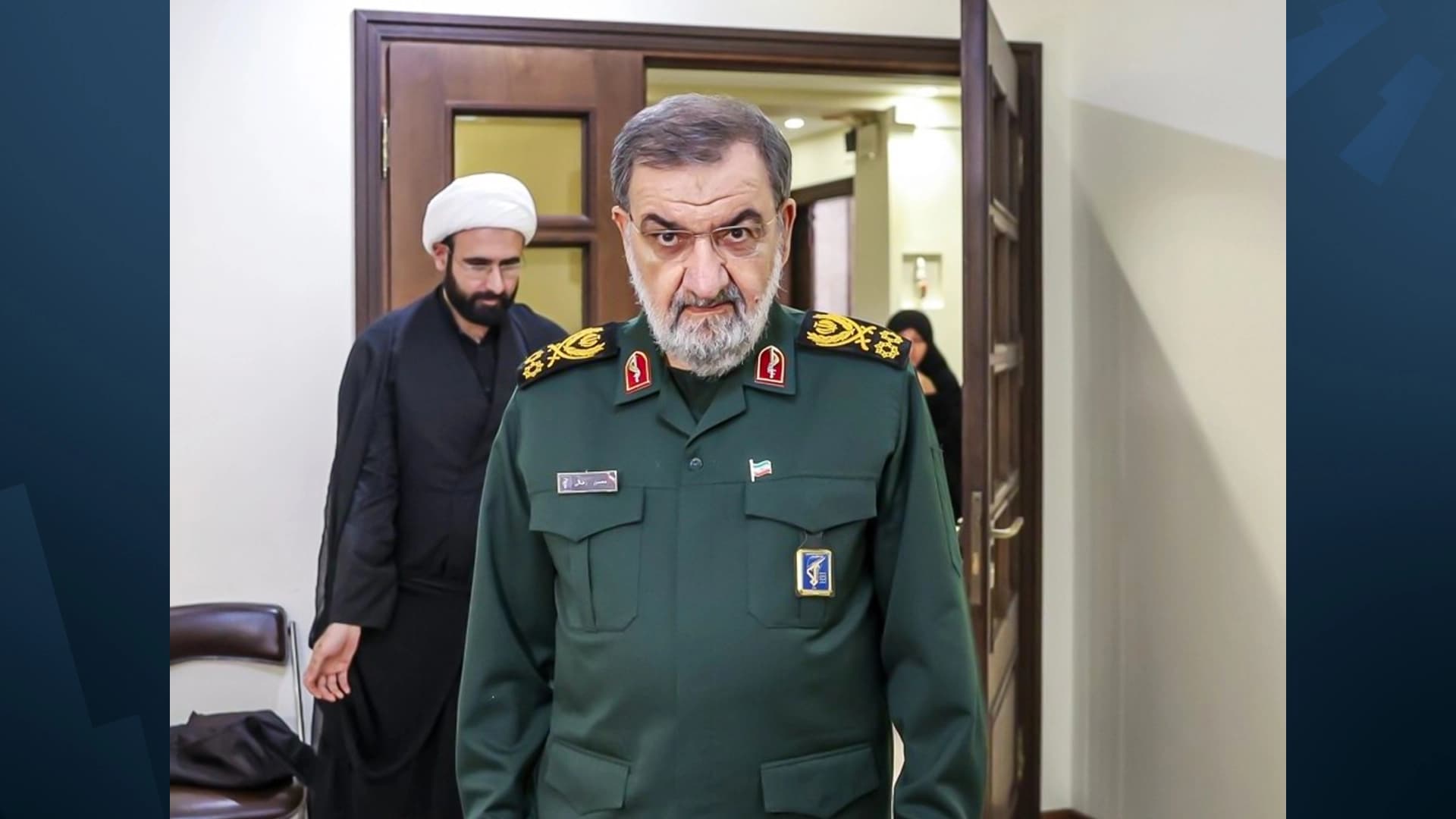
Iranian officials have issued their own warnings. On Thursday, Supreme National Security Council Secretary Mohsen Rezaei said military bases involved in any renewed US attacks against Iran would become legitimate targets, including those in Europe.
Despite the confrontation, diplomatic efforts to end the conflict continue.
Iranian parliament speaker and chief negotiator Mohammad Bagher Ghalibaf told Qatari state-funded Al Jazeera on Wednesday that Tehran was waiting for Washington's response to seven conditions for ending the war and reopening the Strait of Hormuz.
"The ball is now in the American court," Ghalibaf said, explaining that Iran had conveyed its position through Qatari mediation.
He insisted that the Strait of Hormuz would not return to its pre-war status and that Tehran would continue demanding a role in managing passage through the waterway.
Meanwhile, Israeli public broadcaster KAN reported Thursday that US Central Command (CENTCOM) had advised Israel to prepare for a possible resumption of military operations against Iran.
A CENTCOM official dismissed the report as "pure speculation," telling Turkey's state-run Anadolu Agency that there had been no changes to the US military's regional force posture.