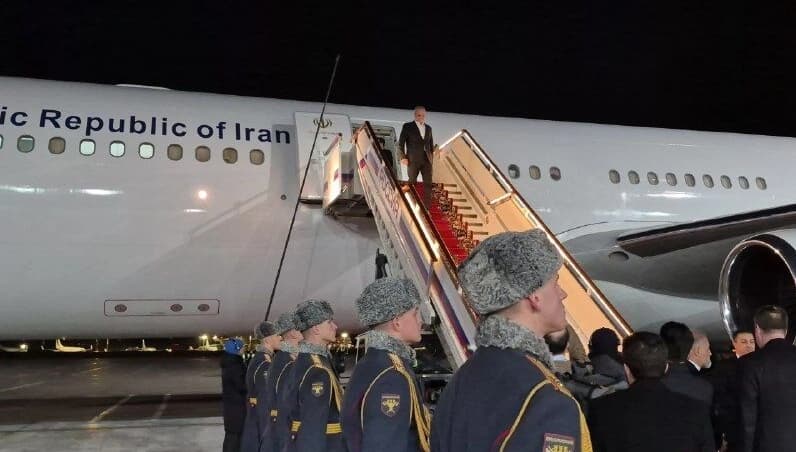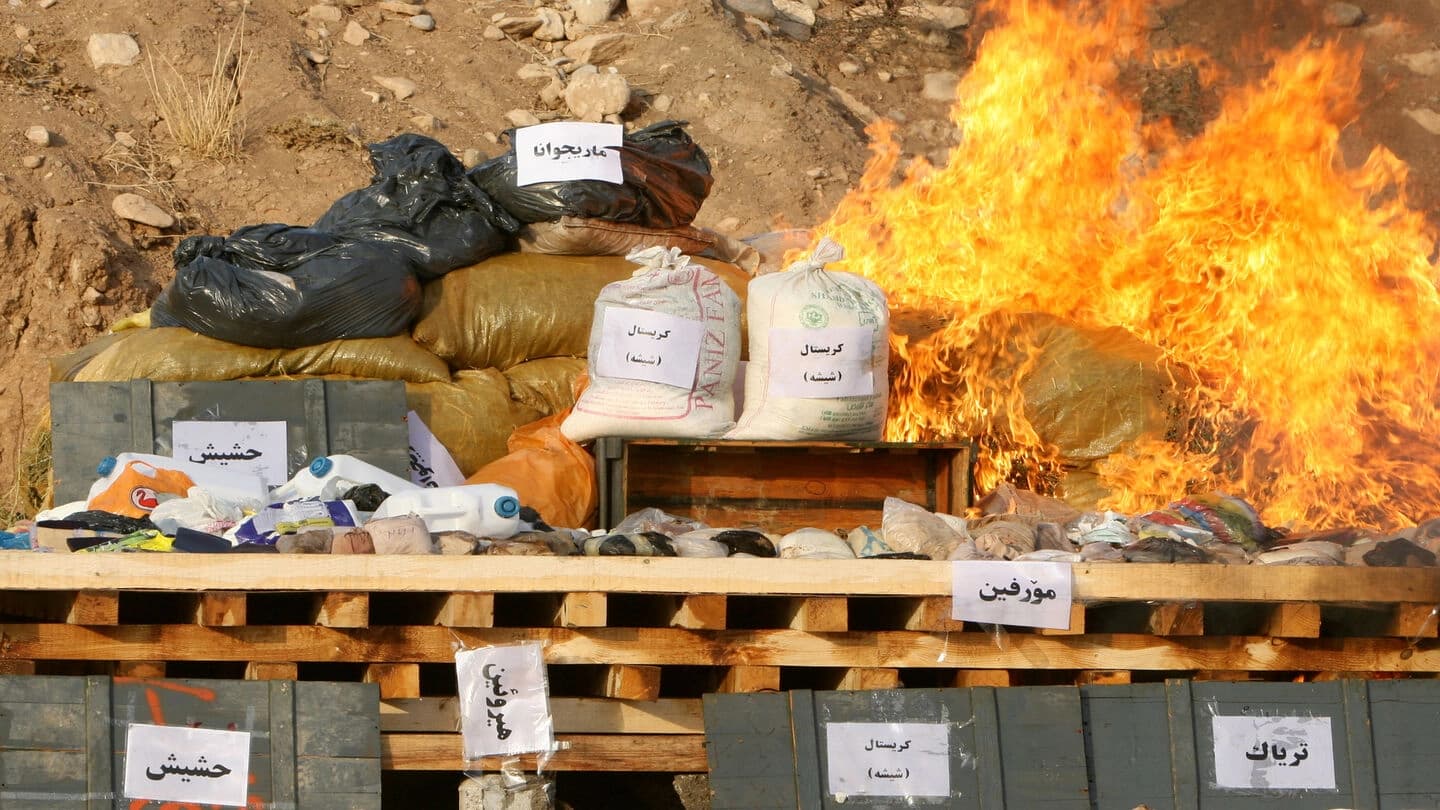

Erbil, Kurdistan Region - Iranian authorities have charged 1,895 people with cooperating with Israel and countries Tehran describes as hostile states since the 12-day war in June last year, raising the prospect that Iran’s accelerating execution trend could intensify further.
Since the war, Iranian media have been awash with reports of arrests by security forces of people accused of cooperating with or carrying out espionage for Israel. The latest figures from the judiciary reveal the scale of the crackdown.
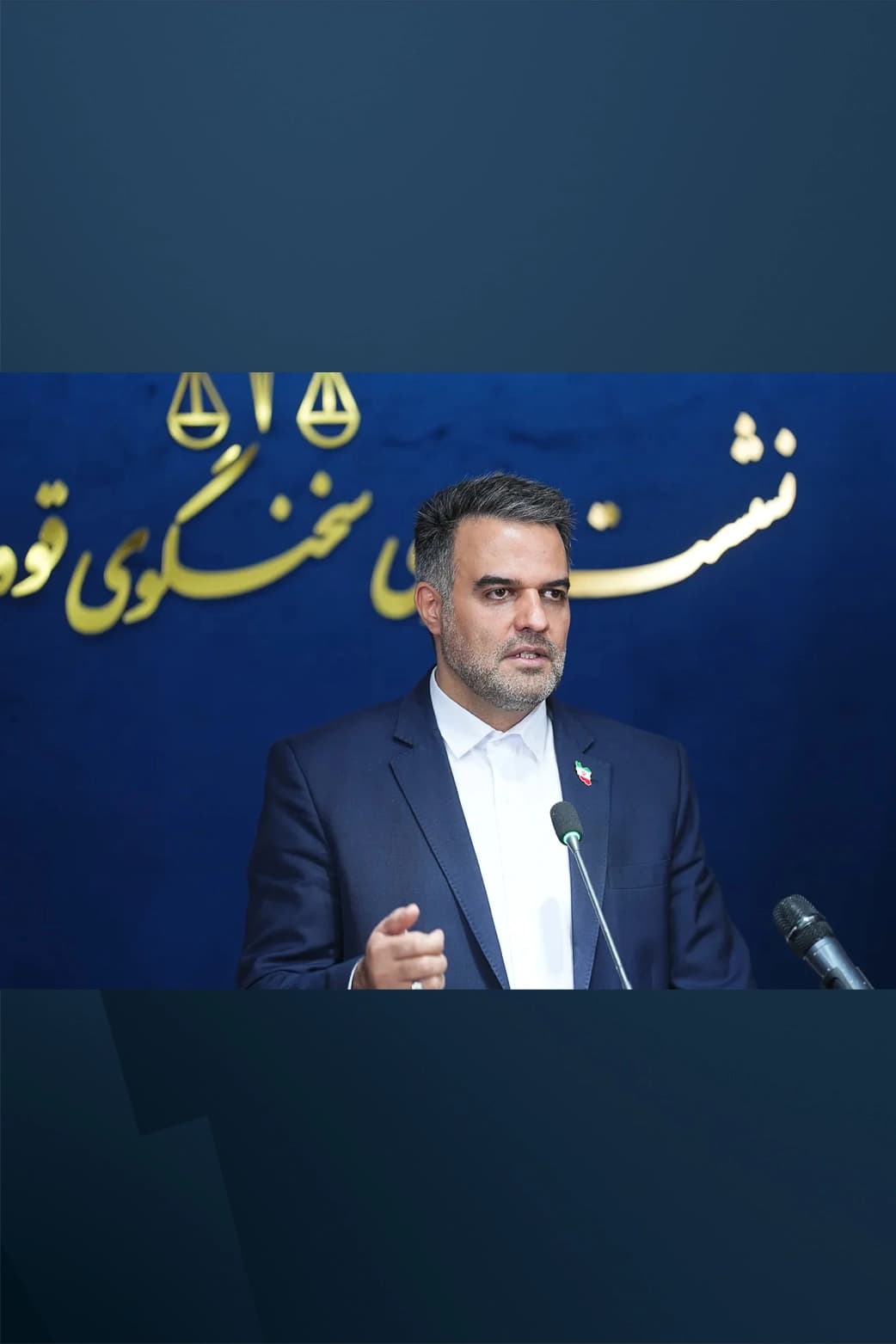
“Regarding individuals who collaborated with the Israeli regime and hostile countries and acted against the country’s national security and interests, 250 cases have been opened involving a total of 1,895 defendants,” Iranian judiciary spokesperson Sayyid Ali Kazemi said on Tuesday.
Of those, Kazemi said 94 were employees of what he described as “enemy media outlets that foment unrest,” while 1,801 were private individuals. To date, 70 indictments have been issued.
Iran regularly executes people convicted of espionage and cooperation with Israel, while state television has frequently aired confessions from defendants in such cases.
Following the 12-day war, Iranian authorities fast-tracked the Law on Intensifying the Punishment for Espionage and Cooperation with the Zionist Regime and Hostile States against National Security and Interests, broadening the range of offences linked to Israel that can carry the death penalty.
Norway-based Iran Human Rights has said the legislation was designed to “weaponise national security laws against domestic dissent.”
At least 15 people, including protesters, have been hanged this year on charges of espionage for Israel. Among them was Kurdish political prisoner Naser Bakrzadeh, 26, whose death sentence had previously been overturned twice before he was convicted again and executed.
In August, Omid Behzad and Pouria Safvat were hanged after being accused of passing military and security information to Israel during the 12-day and subsequent 40-day wars involving Israel and the United States.
Amnesty International and other human rights organizations have repeatedly accused Iranian authorities of torturing or placing prisoners under severe pressure to obtain self-incriminating confessions, some of which have later been broadcast by state media.