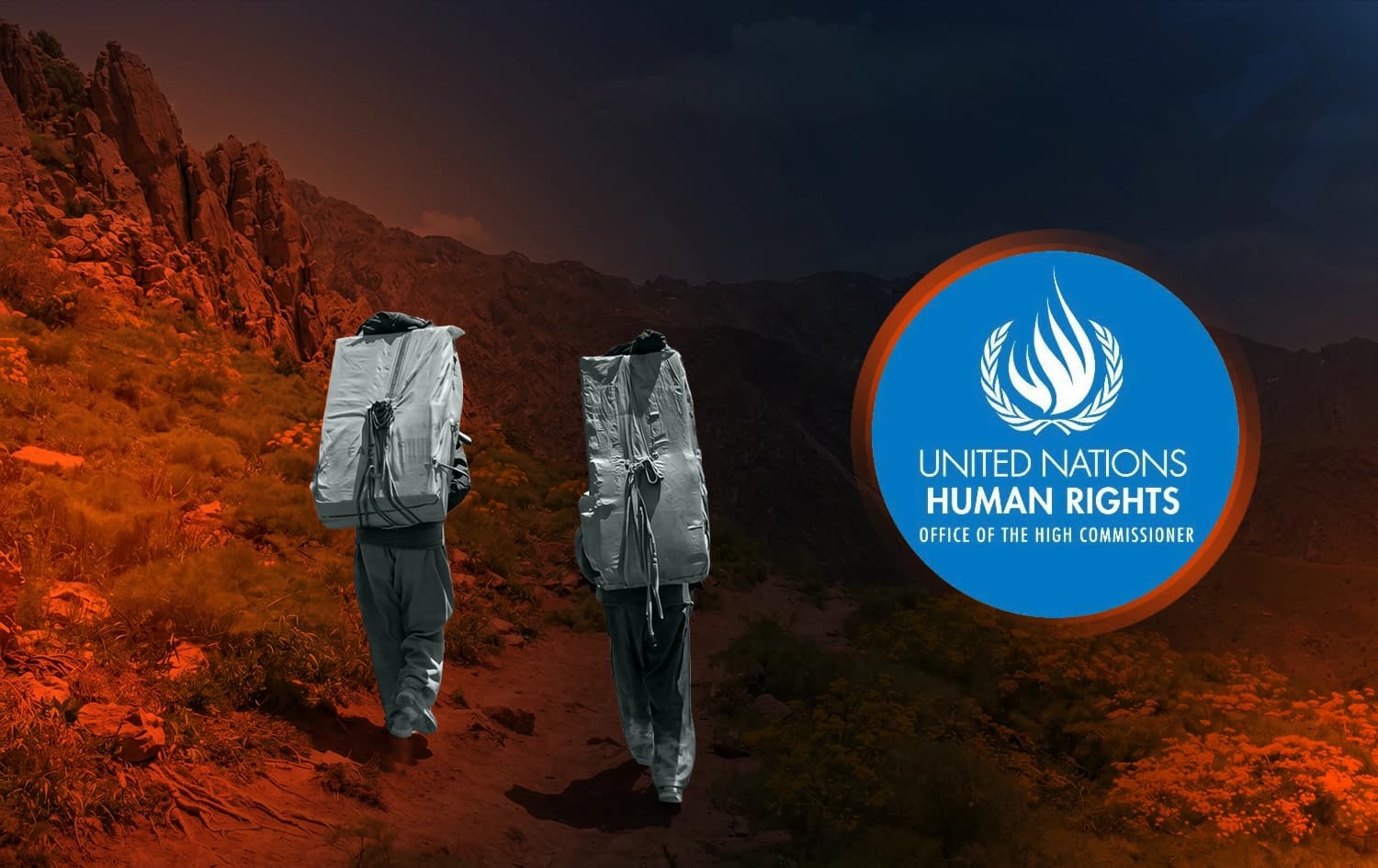
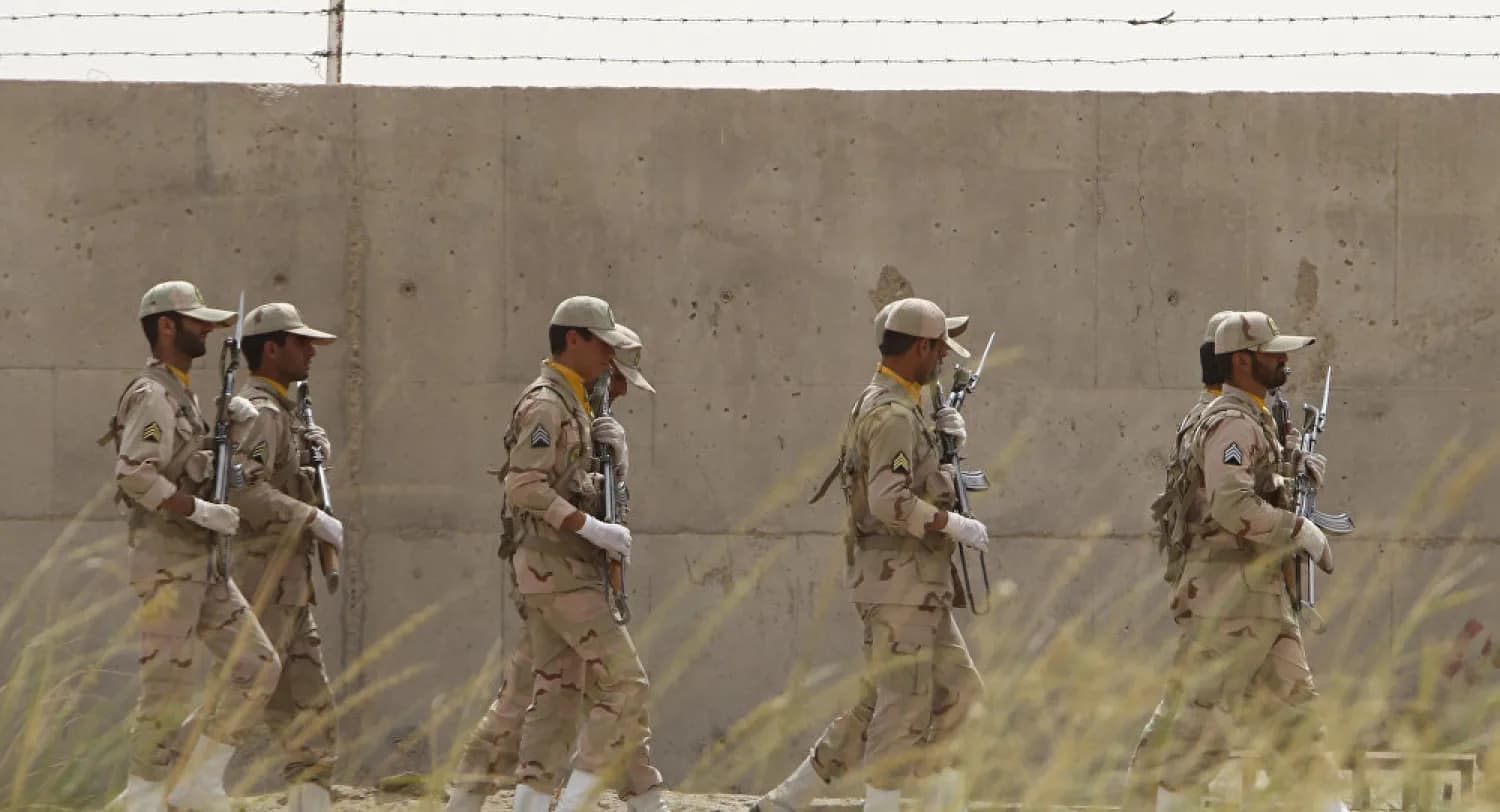
ERBIL, Kurdistan Region - Iranian authorities must stop using “lethal force” against Kurdish border couriers and Baloch fuel carriers, UN experts said Wednesday, calling for “independent investigations into every death.” In a statement shared by the UN Human Rights Council, the experts labeled Kurdish Kolbars and Balochi Sukhtbars as two of the “most economically marginalized people in Iran.” “They must not pay for that poverty with their lives,” the statement added, asking Tehran to conduct “a prompt, independent and impartial investigation” for each death and that “these communities are entitled to livelihoods that do not put them in the line of fire.” Portering goods across the Kurdistan Region-Iran border is predominantly carried out by Kurds, with workers navigating the rugged mountainous terrain along the 200-kilometer border to transport goods. Unemployment, rising living costs, and economic hardship in western Iran’s Kurdish regions (Rojhelat) have driven many to the grueling trade where they face personal risk and difficult conditions for meager wages. While Iran provides hundreds of licenses each year, thousands more remain unlicensed. According to the UN’s Wednesday statement, at least 12 Kolbars have been killed since the beginning of 2026. The report was published just hours after a rights group reported that another Kolbar, Mohammad Sediq Avali, was killed earlier in the day from a short distance without prior warning. UN experts, however, confirmed that seven Kolbars were killed in the last two months by “direct gunfire” at “close range and without warning.” The press release mentioned Madeh Kermani, who was shot “while carrying nothing” and his family was told that he fell from border heights - a claim that “contradicted” forensic evidence which showed that he was shot in the head. The press release further detailed that 13 Balochi Sukhtbars were killed in the first eight months of 2025 in “connection with shootings, pursuits and other actions by military and security forces.” “While national and international attention has focused on the protests and the executions that followed, deaths at Iran's borders pass largely unnoticed,” the UN said in its Wednesday’s statement, adding that families and civil society groups are taking the burden of searching for the Kolbars and Sukhtbars as Iranian authorities do not publish “any official statistics.” Of relevant note, Rebin Rahmani from the Paris-based Kurdistan Human Rights Network (KHRN) told Rudaw English on Wednesday that last year 15 Kurdish Kolbars were shot dead by Iranian border guards, in addition to 20 others who sustained injuries from the shots.
Iran14-10-2026Iran summons British ambassador in reciprocal action, threatens to 'reconsider' diplomatic relations over RAF Fairford allegations
Iran13-10-2026Iran deploys troops to restive southeastern province as clashes with militants continue