
ERBIL, Kurdistan Region - Iran’s Ministry of Intelligence said Sunday that it had dismantled three operational cells linked to opposition groups in three provinces, as assassinations and clashes continue to mount in the country’s Kurdish and Baluchi regions.
In a statement carried by the state broadcaster IRIB News, the ministry reported that an operative from an opposition group had been planning to assassinate a security commander in Piranshahr, West Azerbaijan province. The operative was killed in an ambush during a clash with security forces before he could carry out the alleged attack.
The ministry also said it arrested a man identified as “Amirali_N” in Alborz province, accusing him of working with “the American-Zionist enemy,“ and intending “to commit acts of sabotage under the orders of a handler from a monarchist grouplet linked to the espionage service” of Israel.
In Kerman province, the ministry said it had arrested two members of another cell who were allegedly plotting to blow up a key infrastructure facility in Bam County and preparing to carry out further armed attacks.
The development comes amid heightened tensions and a series of recent assassinations and clashes in Iran. Islam Kak Darvishi, whom the Islamic Revolutionary Guard Corps (IRGC) in Piranshahr described as a veteran member of the force, was killed in the area last week, according to the IRGC-affiliated Tasnim news agency.
Kurdish armed group Khori Hiwa (Sun of Hope) claimed responsibility for the killing, accusing Darvishi of working with Iranian security forces and alleging that he had served as an intelligence commander with the IRGC.
The group has claimed several armed attacks against Iranian security forces in Kurdish areas in recent months.
In August, the Free Life Party of Kurdistan (PJAK), a Kurdish opposition group in Iran, said its armed wing, the East Kurdistan Defense Units (YRK), attacked an Iranian military position near Marivan in retaliation for the killing of three members of a Kurdish family.
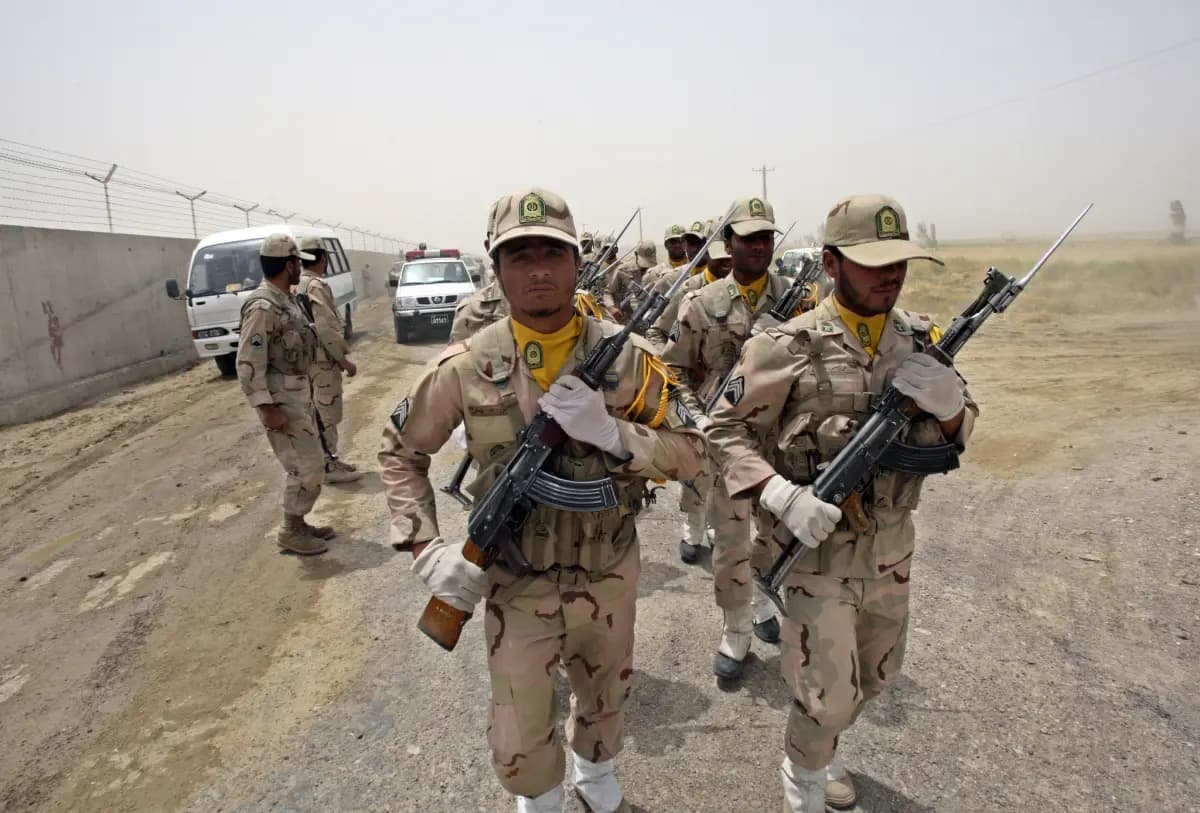
In the predominantly Sunni province of Sistan and Baluchestan, which borders Pakistan and Afghanistan, several individuals affiliated with the state have been killed since September, while clashes have also erupted between Iranian security forces and armed groups operating in the province.
The most recent reported case was that of Sunni cleric Yousef Gorgij, who was described as having close ties to the IRGC and Iranian government institutions. He was shot dead in Zahedan last week, while the perpetrators and motive remain unknown, according to the semi-official Mehr News Agency, which is affiliated with the IRGC.
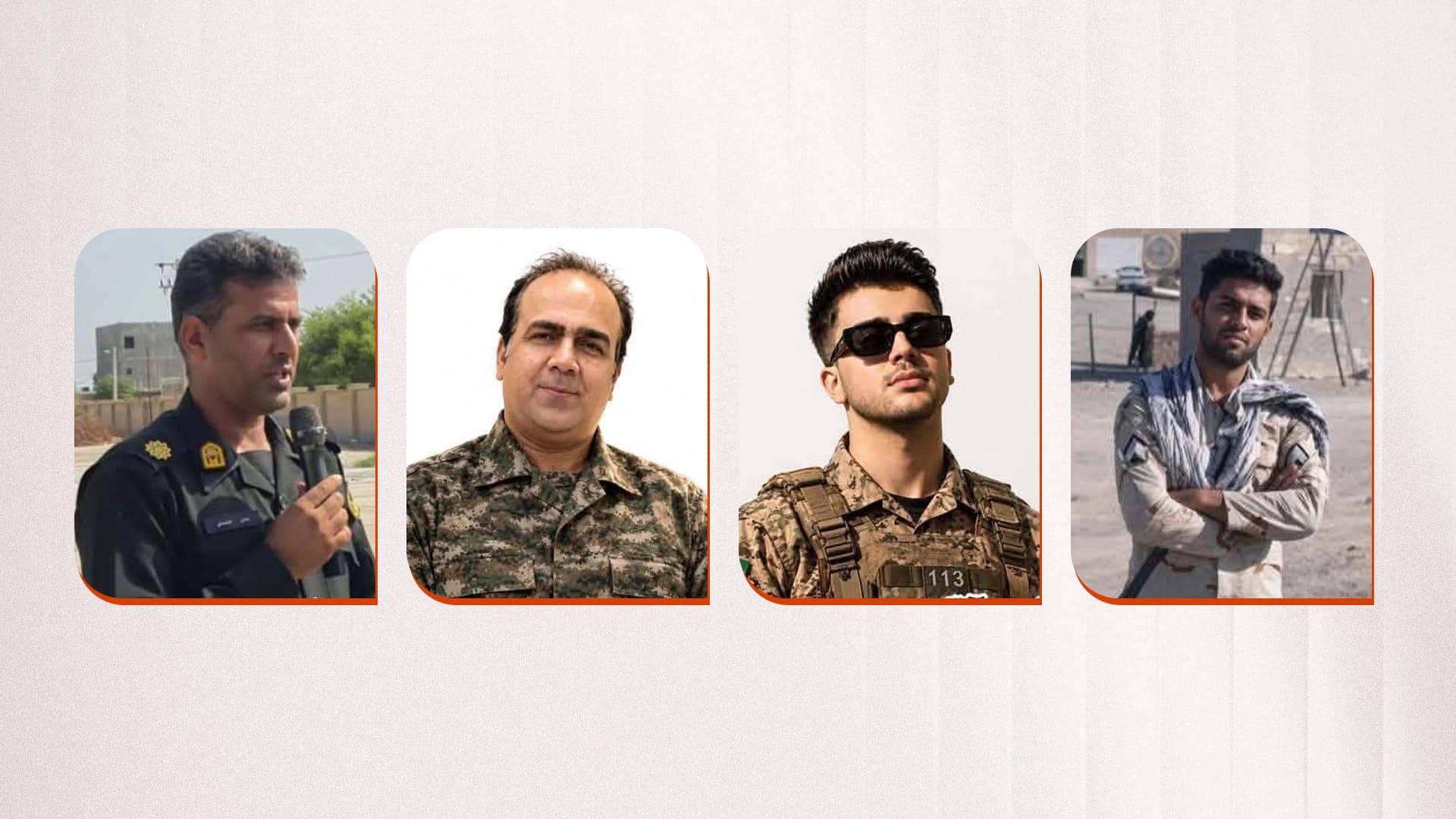
Before his killing, IRGC and intelligence personnel raided a house in Saravan in Sistan and Beluchestan province last week, triggering clashes with Baloch militants that lasted until noon, according to Tasnim. The clashes left three IRGC members and four Baloch militants dead, the report said.
The Kurds and the Baloch are two of Iran’s ethnic minorities, with their population concentrated in different parts of the country, with the Kurds mainly living in northwestern and western provinces, including Kurdistan, Kermanshah, West Azerbaijan and Ilam, while the Baloch are concentrated in southeastern Iran, particularly Sistan and Baluchestan.
The developments come as UN human rights experts on August 6 have raised concerns about the treatment of ethnic minorities in Iran.
The experts urged Tehran to end what they described as increasing “arbitrary detention, enforced disappearance, torture and other ill-treatment, and arbitrary executions” targeting ethnic minorities, particularly the Kurds and the Baloch, and the politically motivated use of broad national security charges against them.