
ERBIL, Kurdistan Region - Iran parliament’s National Security and Foreign Policy Committee on Sunday approved a provision allowing Tehran to impose fees on vessels from countries “authorized” to transit the Strait of Hormuz.
“Under this article, fees will be charged for services we provide, including navigation, environmental, insurance and safety services, refueling under special circumstances and other services,” committee spokesperson Hassan Ghashghavi said, according to Iran state media, IRNA.
“The Persian Gulf and the Strait of Hormuz have their own rules and conditions,” Ghashghavi stated, adding that “These fees will be collected from ships of countries authorized to pass through the Strait of Hormuz, in rials or any other currency desired by the Islamic Republic of Iran."
The provision is part of a proposed Strategic Action Plan for the Security and Sustainable Development of the Strait of Hormuz and the Persian Gulf, which would establish a legal framework for Iran’s management of security, shipping and services in the strategic waterway.
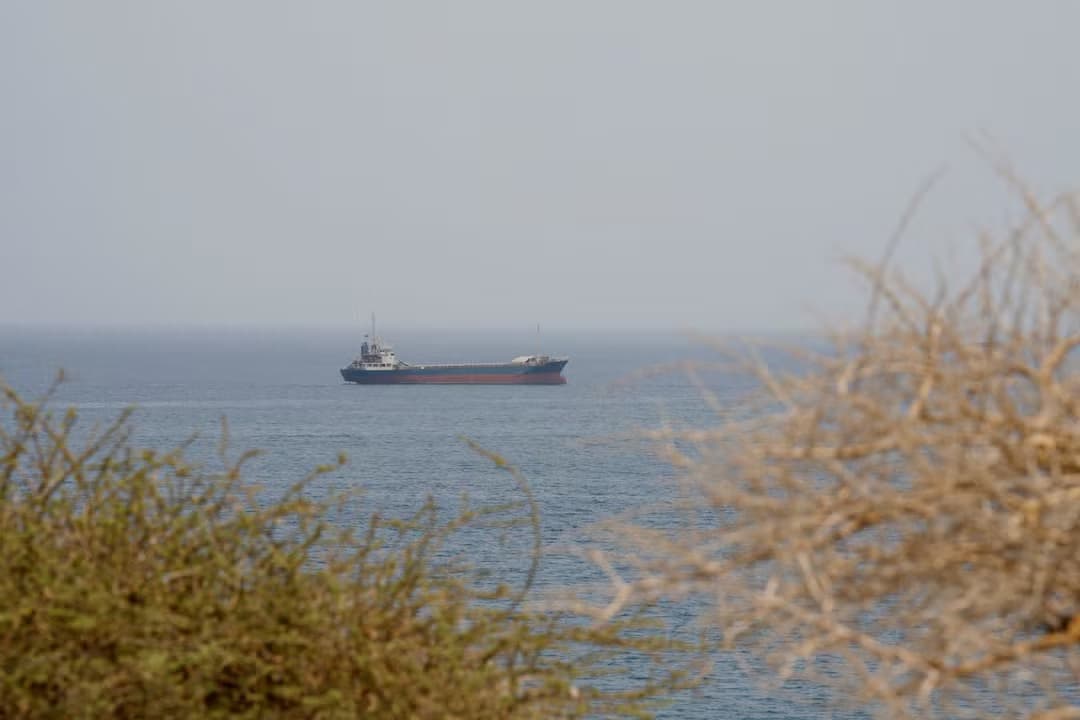
The proposed fees come as commercial traffic through the Strait of Hormuz remains sharply reduced amid heightened tensions between Iran and the US, the latter whose blockade on Iranian ports remains in effect since mid-July in the Strait of Hormuz - a critical maritime chokepoint for the transit of about one fifth of global energy supplies prior to the conflict.
The US Central Command (CENTCOM) announced Sunday on its X account that “As of August 23, U.S. forces have redirected 70 commercial vessels, disabled 3 and boarded 2 to ensure compliance” with the blockade.
The Joint Maritime Information Center (JMIC) said in its latest advisory on Sunday that independent tracking data showed only single-digit numbers of commercial vessels transiting the strait in both directions.
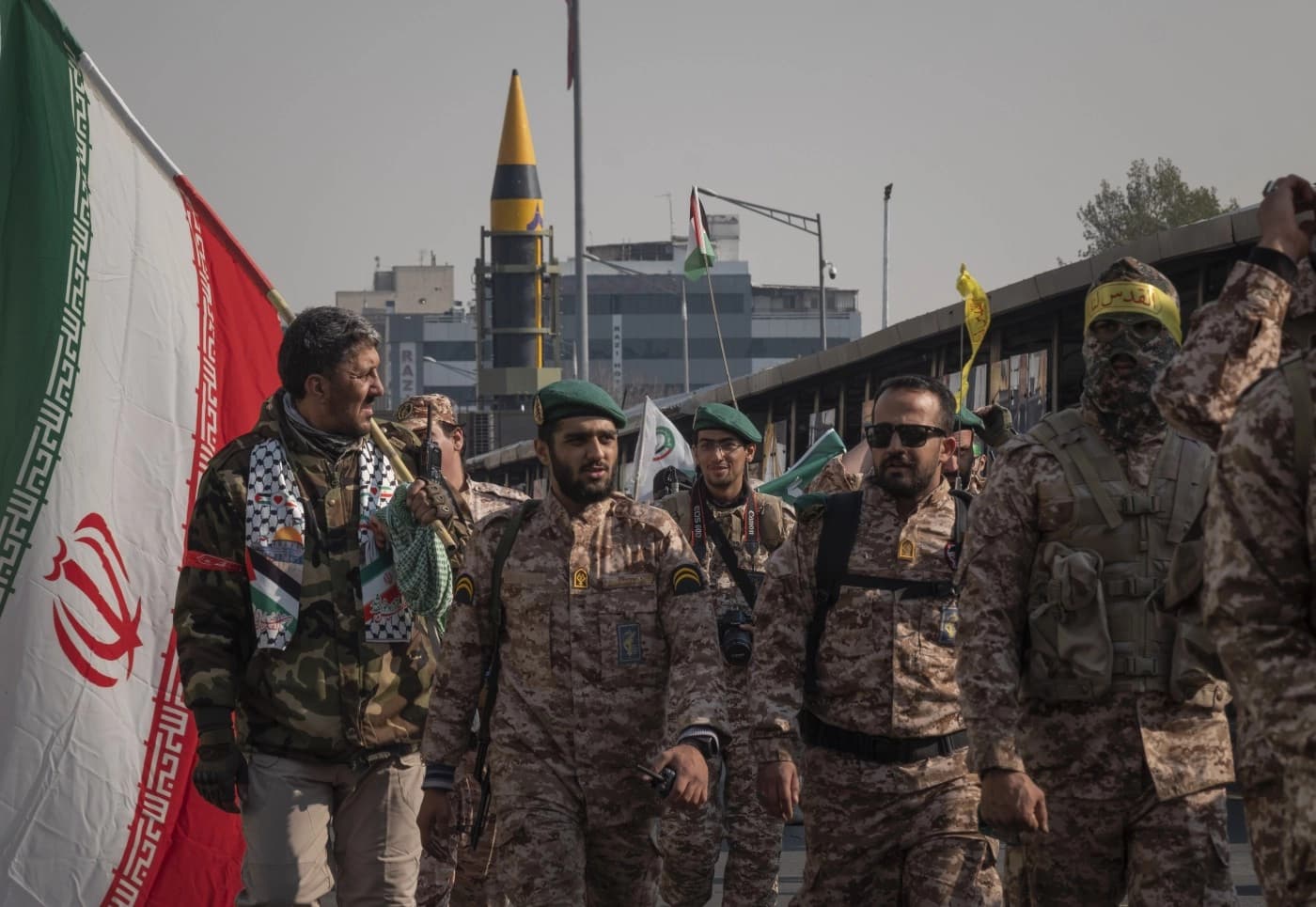
The JMIC said there had been no confirmed attacks or disruptions in the previous 48 hours but reported continued activity by Iran’s Islamic Revolutionary Guard Corps (IRGC), including drone overflights, surveillance of merchant ships and occasional radio contact with vessels. It also warned of a continued risk from drifting or uncharted mines near shipping lanes.
The strait has become a major pressure point in the confrontation between Tehran and Washington.
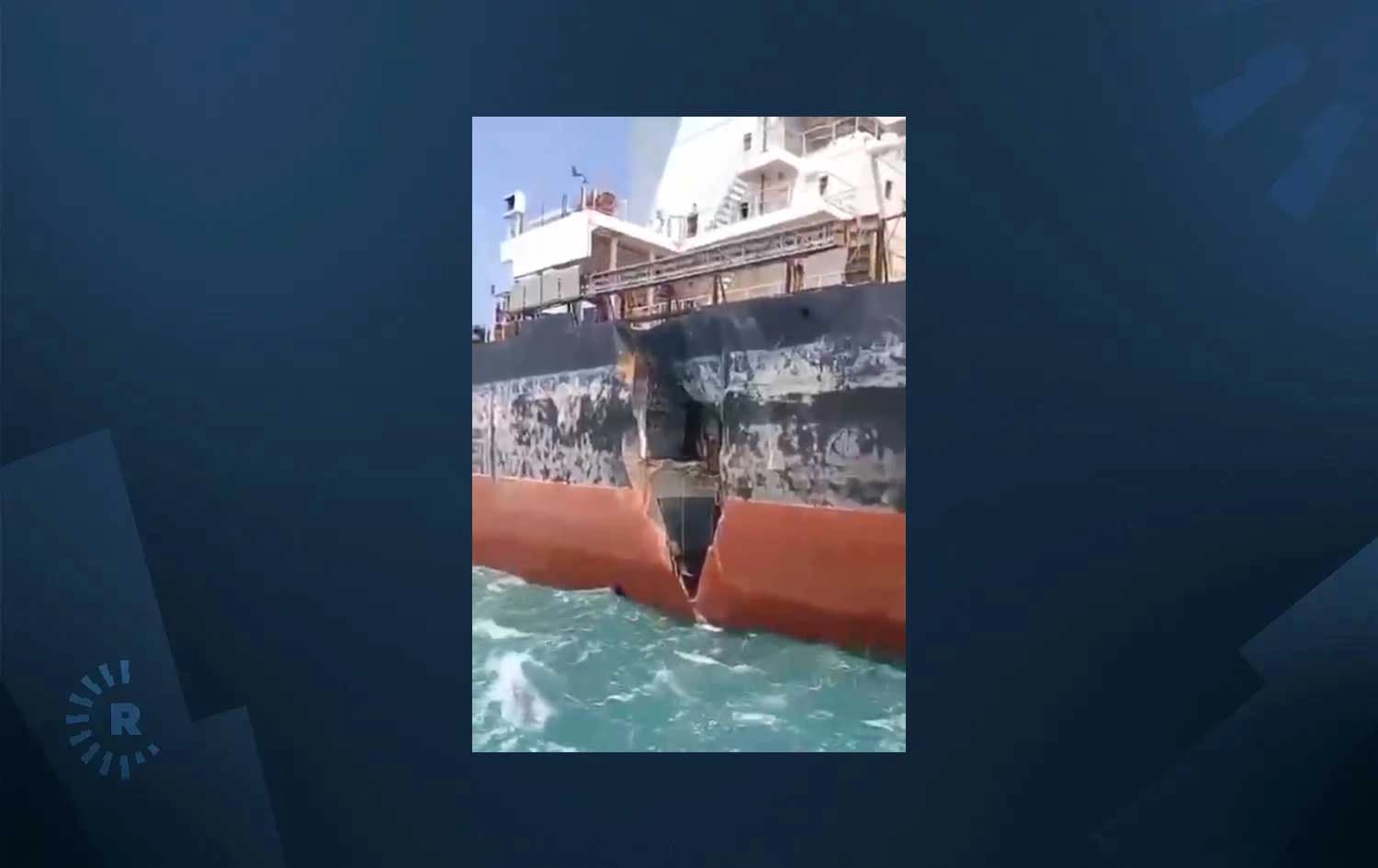
The United Kingdom Maritime Trade Operations (UKMTO) on Tuesday reported that a commercial vessel was struck by an unidentified projectile while leaving the Strait of Hormuz, damaging its engine room and resulting in the casualty of a crew member.
Ghashghavi cited Oman’s declaration after joining the 1982 UN Convention on the Law of the Sea, saying the convention’s provisions should not undermine the country’s national sovereignty or security.
The proposed legislation still needs to be approved by the full Iranian parliament and undergo review by the Guardian Council before being codified into law.