
ERBIL, Kurdistan Region - The Kurdish opposition group, Kurdistan Free Life Party (PJAK), has warned Kurds in western Iran against collaborating with the Islamic Revolutionary Guard Corps (IRGC), saying one man accused of helping Iranian forces kill four of its fighters near Mahabad in June has been “punished.”
In a statement on Wednesday, YRK said an investigation into the June 28 deaths of four of its fighters near Mahabad concluded that local Kurdish collaborators had helped the IRGC locate the unit. It identified Omar Dehqan as one of those allegedly involved and said he had been “punished” by its fighters. PJAK said several others had been identified and would also be pursued. The claims could not be independently verified.
The group urged Kurds working with Iranian security forces to halt their cooperation with Tehran and “return to the ranks” of their people.
The warning comes as tensions between Tehran and Iranian Kurdish opposition groups escalate on both sides of the Iran-Iraq border.
Iran launched fresh missile and drone attacks on Komala and the Kurdistan Democratic Party of Iran (KDPI) near Erbil on Tuesday and Wednesday, part of a wider campaign that has intensified since the US-Iran war began on February 28.
PJAK maintains mobile guerrilla units inside the Kurdish areas of western and northwestern Iran, where its armed wing, the East Kurdistan Defense Units (YRK), has carried out operations and clashed with Iranian security forces.
PJAK’s own account of the June fighting shows its fighters operating around Mahabad, while profiles of those killed describe activity stretching from Maku to Marivan, Sardasht and Mahabad.
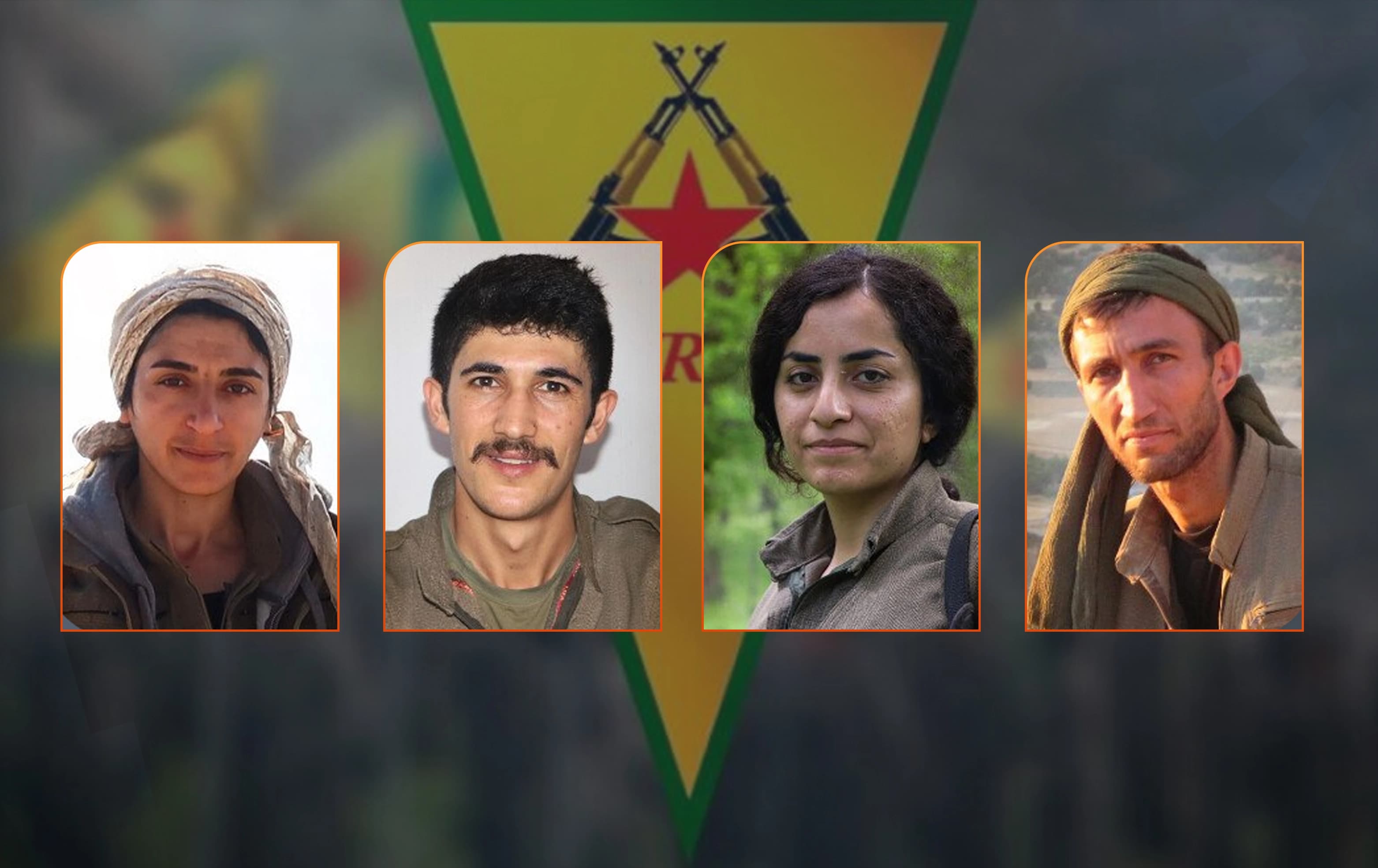
The June 28 clash near Mahabad killed four YRK fighters - Zarin Akbash, Parastoo Safaeipour, Khalil Chichek and Rasoul Yeganeh - according to PJAK. The group also claimed that IRGC personnel were killed or wounded.
The warning comes amid a broader increase in armed attacks on Iranian security personnel and local collaborators in Kurdish areas.
On June 29, two Kurdish members of the IRGC’s Basij militia, Khaled Khaledinia and Burhan Karisani, were shot dead outside their homes in Paveh. Khaledinia had been accused by Kurdish activists of involvement in the violent suppression of the 2022 Woman, Life, Freedom protests.
The developments point to a potentially more confrontational phase inside Iranian Kurdistan, where Tehran has long relied on local informants, Basij members and auxiliary forces alongside the IRGC.
Around half a dozen individuals accused of collaborating with the Iranian security forces have been killed in recent weeks according to Iranian media and Kurdish opposition outlets. Kurdish activists and rights groups say such recruitment has been particularly important in areas where the state struggles to penetrate local communities.
At the same time, Iran has stepped up attacks on the Iraqi side of the border in the Kurdistan region. On Wednesday, missiles and drones struck areas in Alana Valley, around 90 kilometers northeast of Erbil, targeting Komala and KDPI positions. A day earlier, Iranian missiles hit Komala positions in the same area, lightly wounding two fighters.
Komala says more than 102 Iranian missiles and drones have targeted its positions since the war began, while nine of its members were killed in a strike on its headquarters near Sulaimani in mid-July.
The combination of intensified Iranian strikes against Kurdish opposition groups in Iraqi Kurdistan and renewed guerrilla activity inside western Iran raises the prospect of a widening confrontation.
PJAK’s latest statement suggests the group is also seeking to deter the local intelligence networks Tehran relies on to track its fighters - warning that Kurds accused of helping the IRGC could themselves become targets.