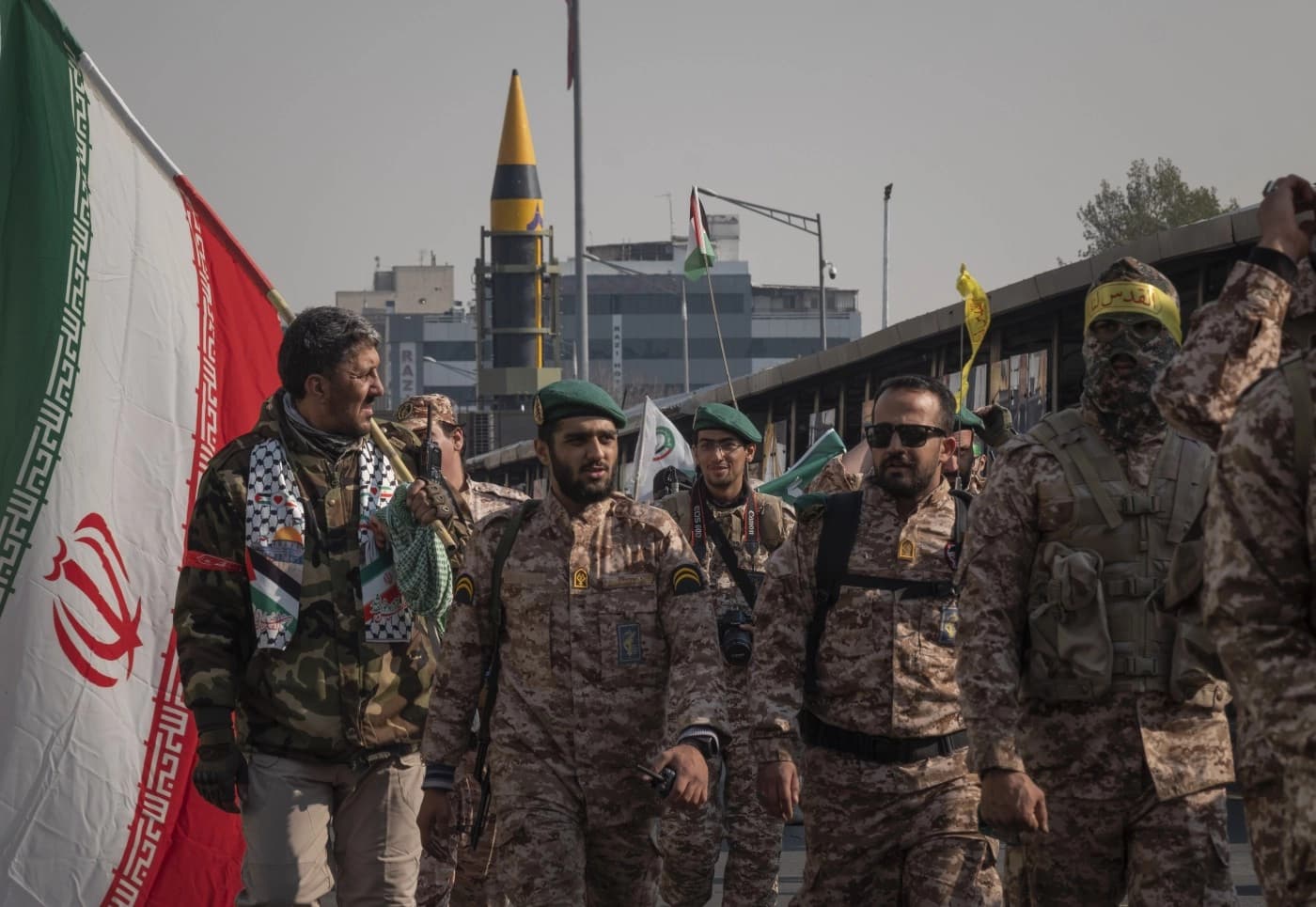
ERBIL, Kurdistan Region - The US Central Command (CENTCOM) said on Sunday that the Strait of Hormuz remains open to international shipping despite Iranian threats and declarations, as US President Donald Trump said that the United States had struck Iran “very hard” in response to its latest attacks in the Strait.
"Pathways for free transit through the Strait of Hormuz remain open," CENTCOM said in a statement on X, stressing that "Iran does not control the international waterway used by commercial vessels to globally transport goods and energy."
Following the CENTCOM statement, US President Donald Trump said that the US had struck Iran “very hard” in response to its latest attacks on shipping in the Strait of Hormuz, accusing Tehran of abandoning a potential deal with Washington just hours before the strikes.
“We hit them very hard last night,” Trump told CNN, claiming that the two sides had been close to an agreement before Iran launched the attacks. “They were giving up everything, and then all of a sudden two hours after that they hit a ship with a drone,” he said.
The announcement comes hours after CENTCOM said it struck nearly 140 Iranian military targets following an attack by Iran's Islamic Revolutionary Guard Corps (IRGC) on a Cyprus-flagged commercial vessel transiting the Strait of Hormuz.
According to CENTCOM, US forces have facilitated the transit of more than 800 ships carrying over 400 million barrels of crude oil through the strait over the past two months. More than 140 vessels have passed through the waterway in the last seven days alone.
"The Strait of Hormuz is open to all vessels seeking to lawfully transit the international waterway," the command said, adding that US forces remain "positioned and prepared to ensure that freedom of navigation remains available despite unwarranted Iranian aggression, harassment, threats, and arbitrary declarations."
"Iran does not control the strait. Traffic is flowing," the statement added.
According to CENTCOM, the Sunday strikes targeted missile and drone sites, naval capabilities, ammunition depots, communication networks, and coastal surveillance facilities. The command said the attacks were aimed at degrading Iran's ability to threaten commercial shipping and freedom of navigation in the waterway.
The IRGC claimed responsibility for the attack on the vessel and announced the closure of the Strait of Hormuz, accusing the United States of fostering instability through military intervention.
The United States and Israel launched a large-scale military campaign against Iran on February 28, targeting nuclear facilities, military sites, and senior commanders. The six-week conflict ended with a ceasefire on April 8, followed by a 60-day memorandum of understanding signed on June 17 to resume talks on Iran's nuclear program and regional security.
President Trump said early July that the ceasefire with Iran is over, raising fears of renewed escalation in the region.