.jpg&w=3840&q=75)

ERBIL, Kurdistan Region - Iran’s supreme leader has approved the pardon, commutation, or conversion of sentences for 2,000 prisoners convicted by courts on the occasion of Eid al-Ghadir, excluding those convicted of national security-related offenses, as the country continues to carry out executions of protestors and political prisoners.
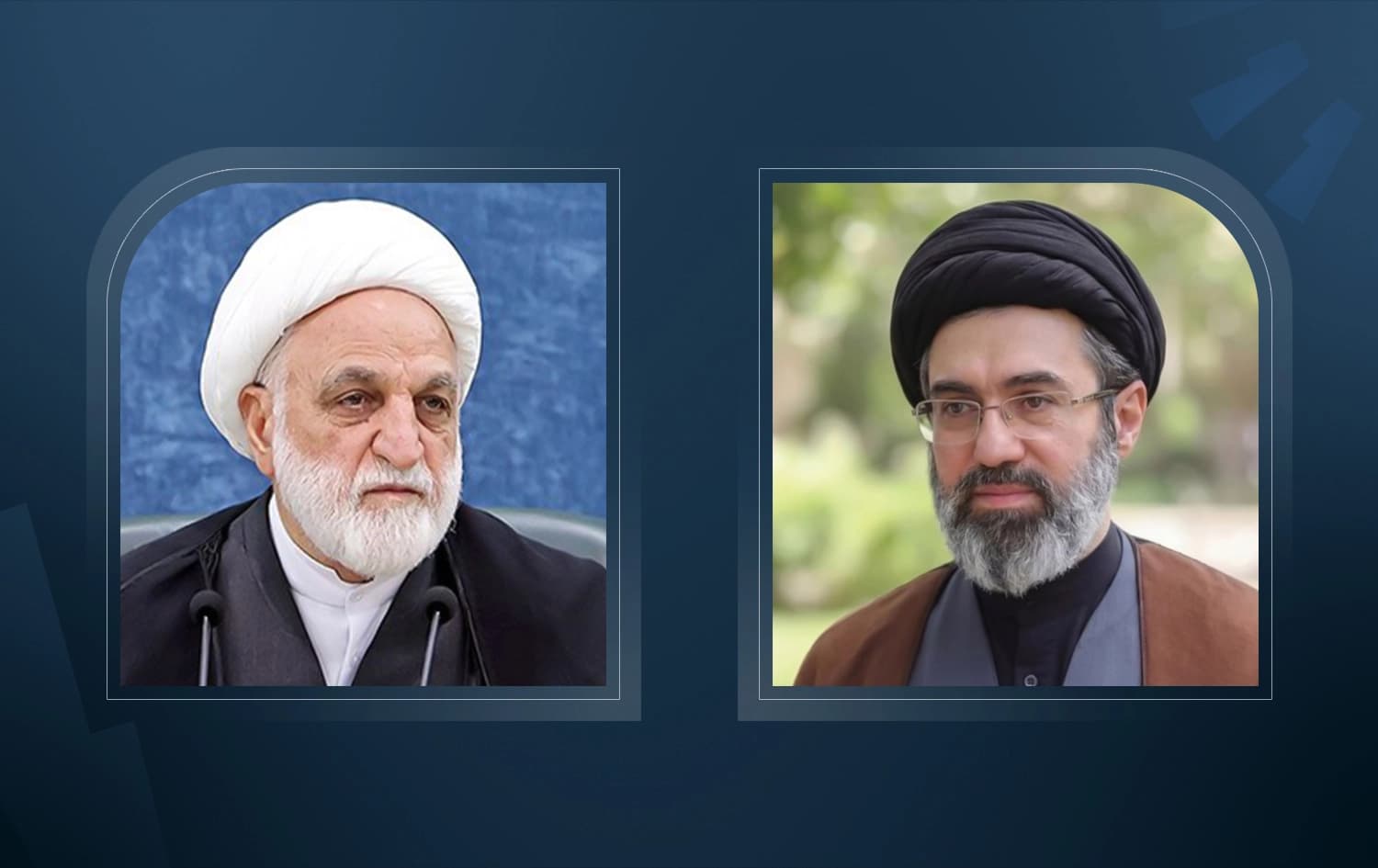
Tasnim News Agency, affiliated with Iran’s Islamic Revolutionary Guard Corps (IRGC), reported on Friday that Iranian Supreme Leader Mojtaba Khamenei approved a request from the head of the judiciary to “pardon, commute, or convert the sentences of 2,000 court convicts on the occasion of Eid al-Ghadir Khumm.”
The pardon comes after the execution of at least 30 protesters and political prisoners since February 28, when the US and Israel launched an extensive aerial campaign against Tehran. Many of those executed were accused of espionage and cooperation with the US and Israeli intelligence agencies.
Tasnim reported Iran's Deputy Judiciary Chief Ali Mozaffari, on Friday, as saying “convicts of security offenses, espionage, actions against the internal and external security of the country, and individuals who have threatened the public security of society will under no circumstances be eligible for pardon."
Iran has long used the death penalty as a tool of state repression and to stifle dissent.
The recent wave of executions has drawn condemnation from human rights organizations, including Amnesty International, which has called on the international community to press Tehran to halt the executions, including those of Kurdish political prisoners.
The US-based Human Rights Activists News Agency (HRANA) reported that Iran carried out 2,063 executions in 2025, the highest annual total recorded in around three and a half decades.
Iran is also accused of using systemic abuse to coerce false confessions for capital offenses, often subjecting detained protesters to unfair trials without due process. Alleged crimes include colluding with foreign powers, violence against security forces, and even owning a Starlink device or following "anti-regime" social media accounts. The IRGC labels anti-government protesters as “opponents” and has threatened deadly crackdowns.