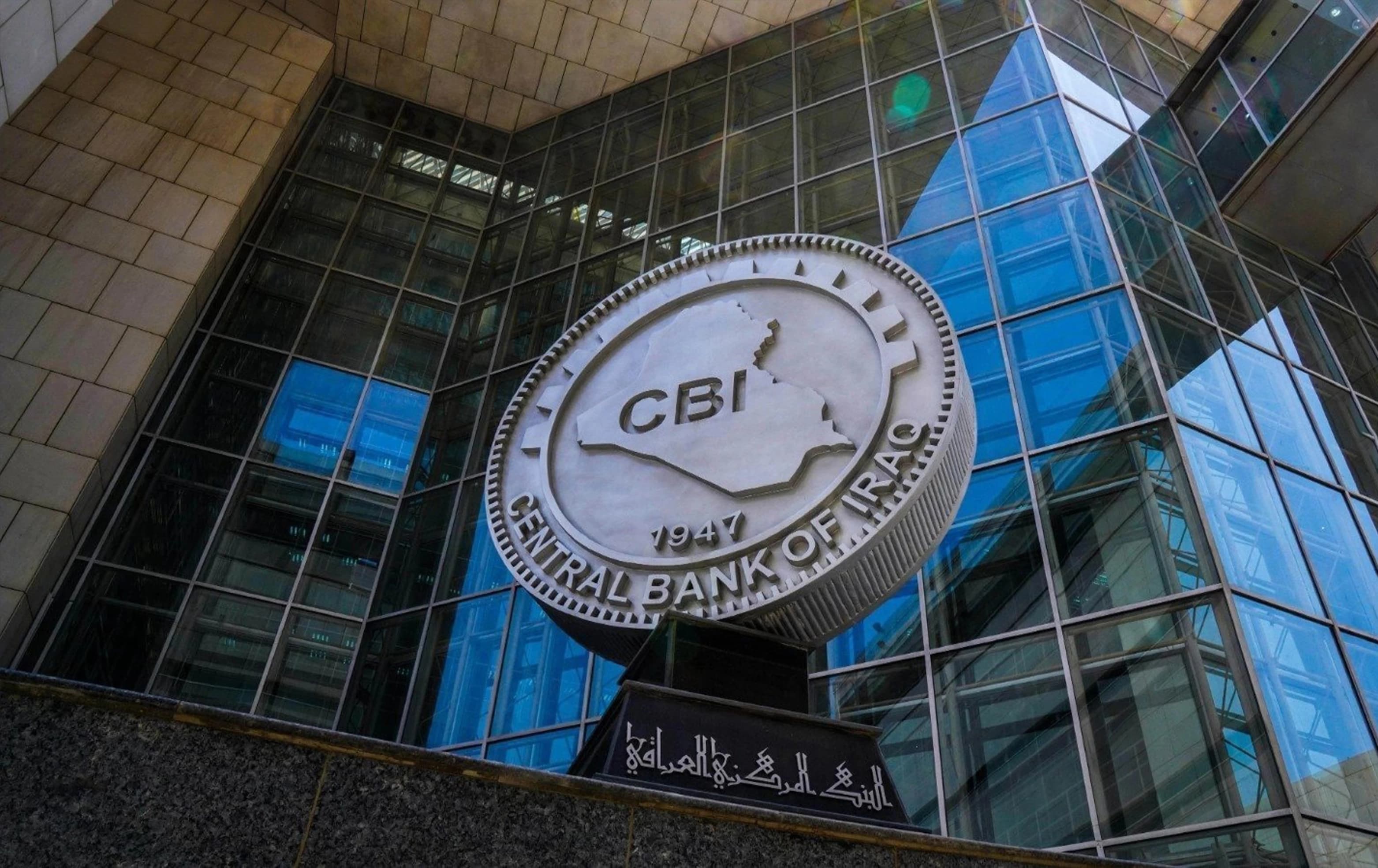

ERBIL, Kurdistan Region - Iraq exported 42.5 million barrels of crude oil in July, with most shipments leaving through southern terminals and the Strait of Hormuz, while exports from the Kurdistan Region remained sharply reduced due to security concerns, according to the head of Iraq's State Organization for Marketing of Oil (SOMO).
Speaking to Dijlah TV, SOMO Director General Ali Nazar al-Shatri said 35.5 million barrels were exported through Iraq's southern terminals and the Strait of Hormuz, while another 7 million barrels were shipped through Turkey's Ceyhan port.
He added that Iraq also exported between 30,000 and 35,000 tons of petroleum products - mainly heavy fuel oil - to Syria each day, amounting to more than one million tons over the month.
SOMO denies selling oil at deep discounts
Responding to reports that Iraq has been selling Basra crude at steep discounts because of heightened risks in the Strait of Hormuz, Shatri denied that SOMO offers direct price cuts.
"SOMO does not offer any direct price discounts," he said, explaining that Iraqi crude is priced under the Official Declared Price mechanism and according to international market benchmarks.
He acknowledged that during periods of heightened operational risks, rising insurance costs, and market volatility, Iraqi crude may trade "around $20 below global peak levels," but stressed this reflects market conditions rather than a deliberate pricing policy.
Addressing reports of heavily discounted Iraqi crude, Shatri said, "SOMO does not interfere in vessel passage mechanisms in the Strait of Hormuz. Only major global trading companies with logistical and security agreements with relevant parties, monitored by international bodies like OFAC, can load and transit oil. We sell crude at southern ports and accept the highest competitive price offered to us."
Kurdistan Region exports fall
Shatri said exports from oil fields in the Kurdistan Region fell dramatically in July, declining from roughly 230,000 to 240,000 barrels per day to about 20,000 barrels per day.
He attributed the drop to security concerns among foreign oil companies during recent renewed fighting between the US and Iran, adding that companies have indicated they are prepared to resume production after receiving security guarantees from the Iraqi government.
"Following high-level meetings with the Iraqi Prime Minister and providing full security guarantees, companies expressed their intent to return and ramp production back to maximum levels," he said.
Iraq-Turkey Pipeline agreement extended
Shatri also confirmed that the long-standing Iraq-Turkey Pipeline (ITP) agreement expired on July 27 but said exports continued uninterrupted after Baghdad and Ankara agreed to a one-year temporary arrangement between SOMO, Iraq's North Oil Company, and Turkey's BOTAS.
The agreement aims to eventually raise northern export capacity to at least 750,000 barrels per day, with the pipeline capable of carrying up to 1.5 million barrels daily.
To help meet those volumes, Iraq plans to redirect some Basra crude to Kirkuk while developing Kirkuk's oil fields with BP and Turkey's TPAO. Shatri acknowledged that transporting crude by tanker trucks is only a temporary solution until new pipeline infrastructure is completed.
He added that Iraq is also pursuing plans for a new export pipeline linking Basra to Haditha, Zakho, and Syria's Mediterranean port of Baniyas as part of efforts to diversify export routes and reduce dependence on the Strait of Hormuz.
Shatri said Iraq's current crude production exceeds 1.95 million barrels per day, including domestic consumption and exports, adding that export volumes are expected to recover as infrastructure improves and additional export routes become operational.
The Strait of Hormuz, a vital waterway through which around one-fifth of global energy supplies pass, has been a contentious point between the US and Iran since the onset of the six-week war in late February, with Tehran claiming sovereignty over Hormuz and requiring vessels to obtain authorization for passage, while Washington has imposed a naval blockade on Iranian ports.
For Iraq, the regional war and the closure of the Strait of Hormuz dealt a major blow to the country's oil sector and broader economy, with Iraqi crude production falling from about 4.14 million barrels per day (bpd) before the crisis to 1.49 million bpd at the height of the blockade.
.jpg&w=3840&q=75)