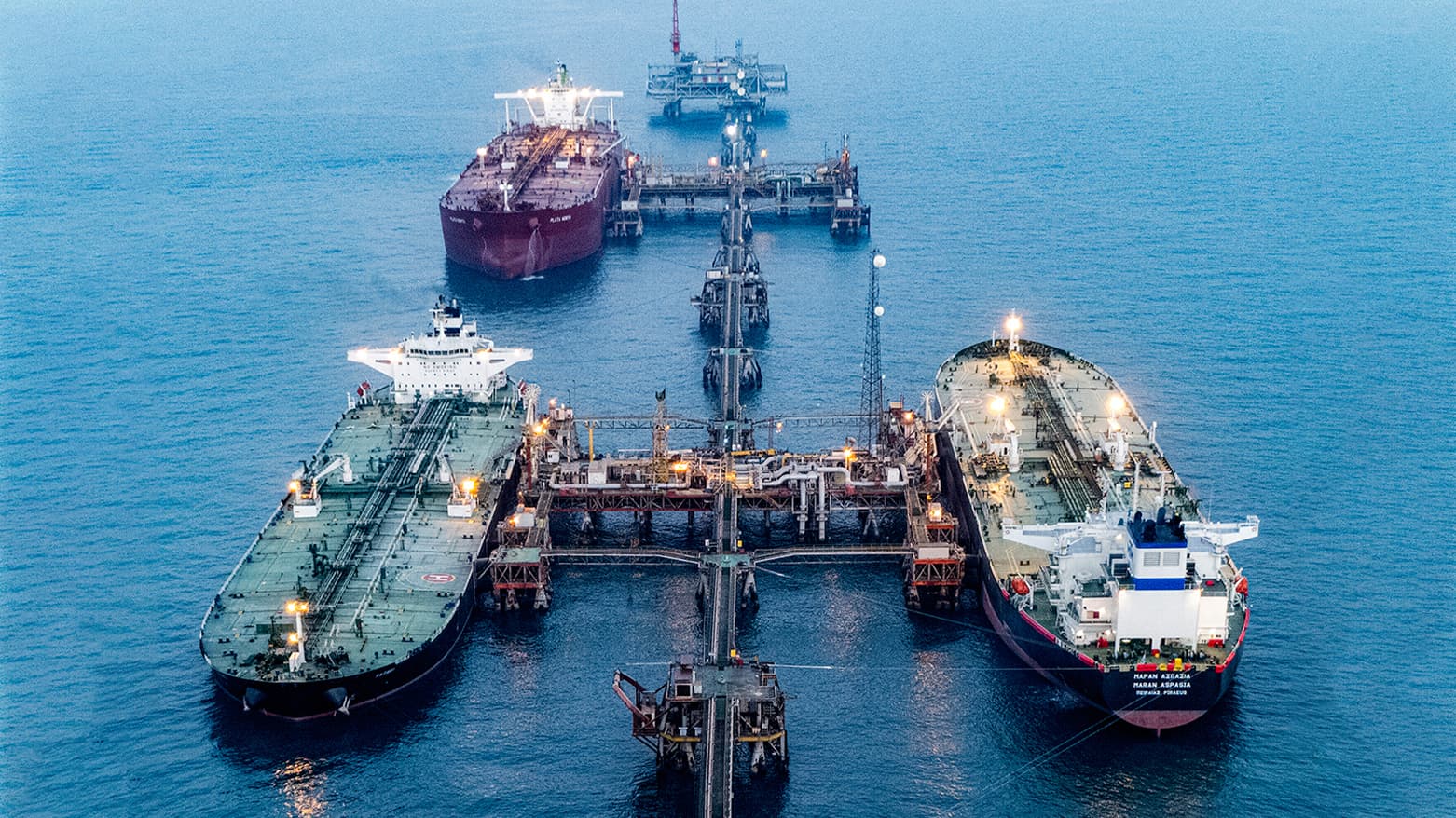

ERBIL, Kurdistan Region - Oil exports from southern ports increased significantly this month, the head of Iraq's marketing organization announced on Sunday, as Baghdad seeks alternative routes due to instability at the Strait of Hormuz.
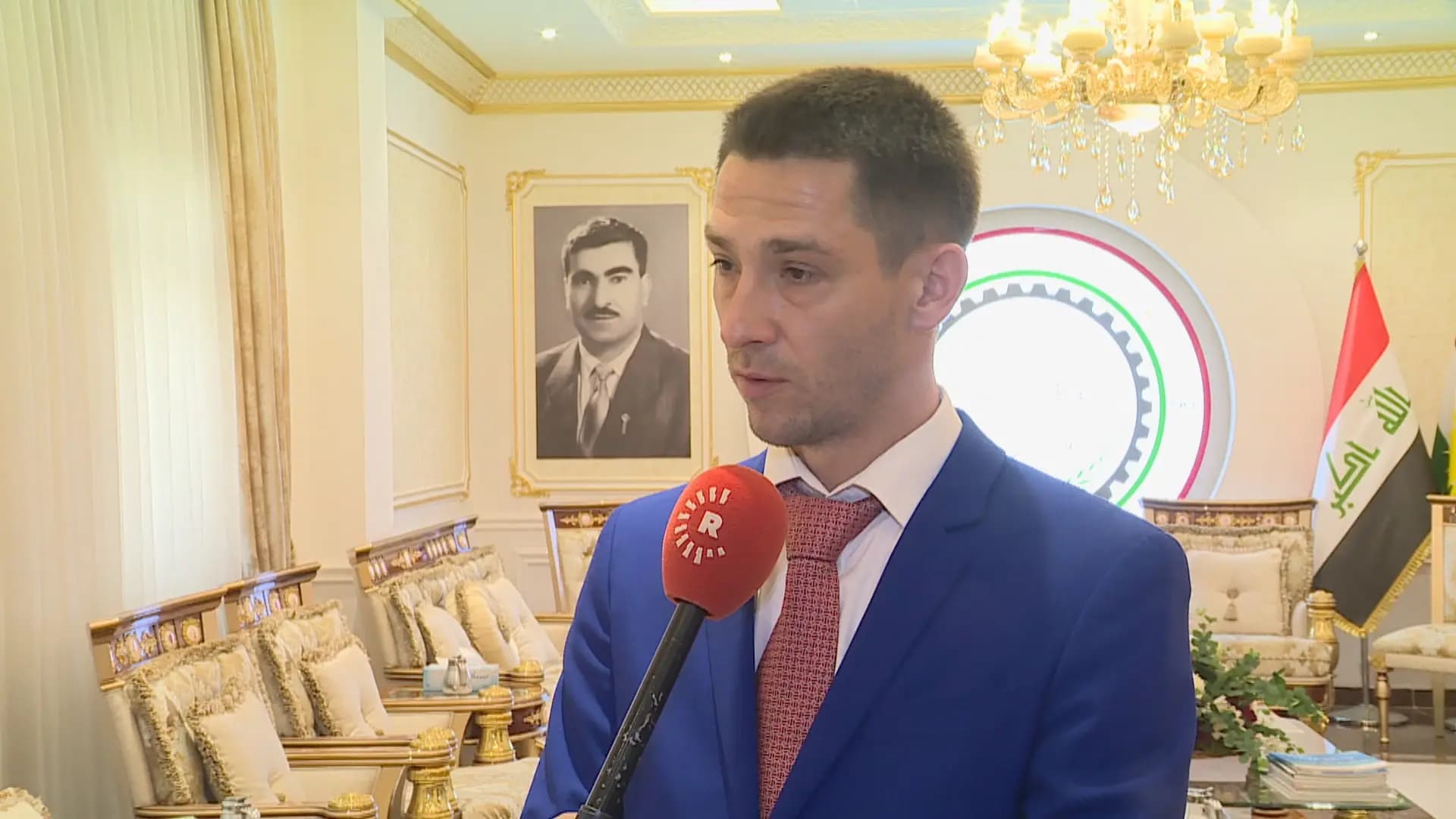
"More than 25 million barrels of oil have been exported through the southern ports" in June, Ali Nizar, head of Iraq's State Organization for Marketing Oil (SOMO), told Rudaw's Malik Mohammed, noting that they have asked the designated vessels to load the contracted volumes of oil although exports through the Strait of Hormuz "have not yet returned to normal."
Iraqi oil sales have suffered significant declines since February 28, when the United States and Israel launched a military campaign against Iran. Although Washington and Tehran agreed to a ceasefire in April and extended the truce on June 18, restrictions in and around the Strait of Hormuz continue to impede commercial shipping.
US-Iran tensions in the Strait of Hormuz have escalated in recent days as both countries exchanged fire.
Due to the war, oil exports through Iraq's southern ports have plummeted significantly, with official sales standing at 10 million barrels in April. The country's pre-war monthly exports had averaged 92 million barrels.
This pushed Baghdad to seek alternative export routes and activate under-utilized ones, including the Turkey-Iraq Pipeline (TIP), which transports crude oil from the Kurdistan Region to the Ceyhan port in Turkey.
Nizar also noted that current oil export volumes through TIP are "between 170,000 and 180,000 barrels, and sometimes reach 200,000 barrels per day." Most of this oil is from Iraq's northern fields, as attacks by Iran-affiliated Iraqi armed groups on the Kurdistan Region's oil fields during the Iran war damaged many fields and forced firms to suspend production.
Erbil and Baghdad are working to provide security to the companies, with the federal government promising to install defense systems at the fields. The companies have insisted that they will not resume production at full capacity unless guaranteed security.
A 1973 agreement between Iraq and Turkey, which has allowed Baghdad to export its oil through the neighboring country, is set to expire on July 27. Turkish President Recep Tayyip Erdogan unilaterally terminated the agreement in 2025, citing the need for a more comprehensive settlement that includes gas, electricity, and petrochemicals.
Ankara's decision came after a Paris-based arbitration court in 2023 ruled in favor of Iraq against Turkey, as the latter exported oil from the Kurdistan Region without approval from the former.
Commenting on the possibility of reaching a new deal, Nizar said that "of course, this is what both Iraq and Turkey are striving for."
The Iraqi government has formed a committee to work with Turkey to renew the deal. Baghdad has reportedly requested a one-year extension of the agreement, but Ankara has rejected it.
Output in the Kurdistan Region has averaged around 80,000 barrels per day, with most of the crude consumed within the Region. During the conflict, Rudaw recorded at least 865 projectiles launched toward the Kurdistan Region by Iran and Iran-backed armed groups in Iraq, to date.