
ERBIL, Kurdistan Region – Erbil and Baghdad have reached a final agreement to begin the practical procedures required to launch the Automated System for Customs Data (ASYCUDA) in the Kurdistan Region, following months of negotiations, a federal official said on Saturday.
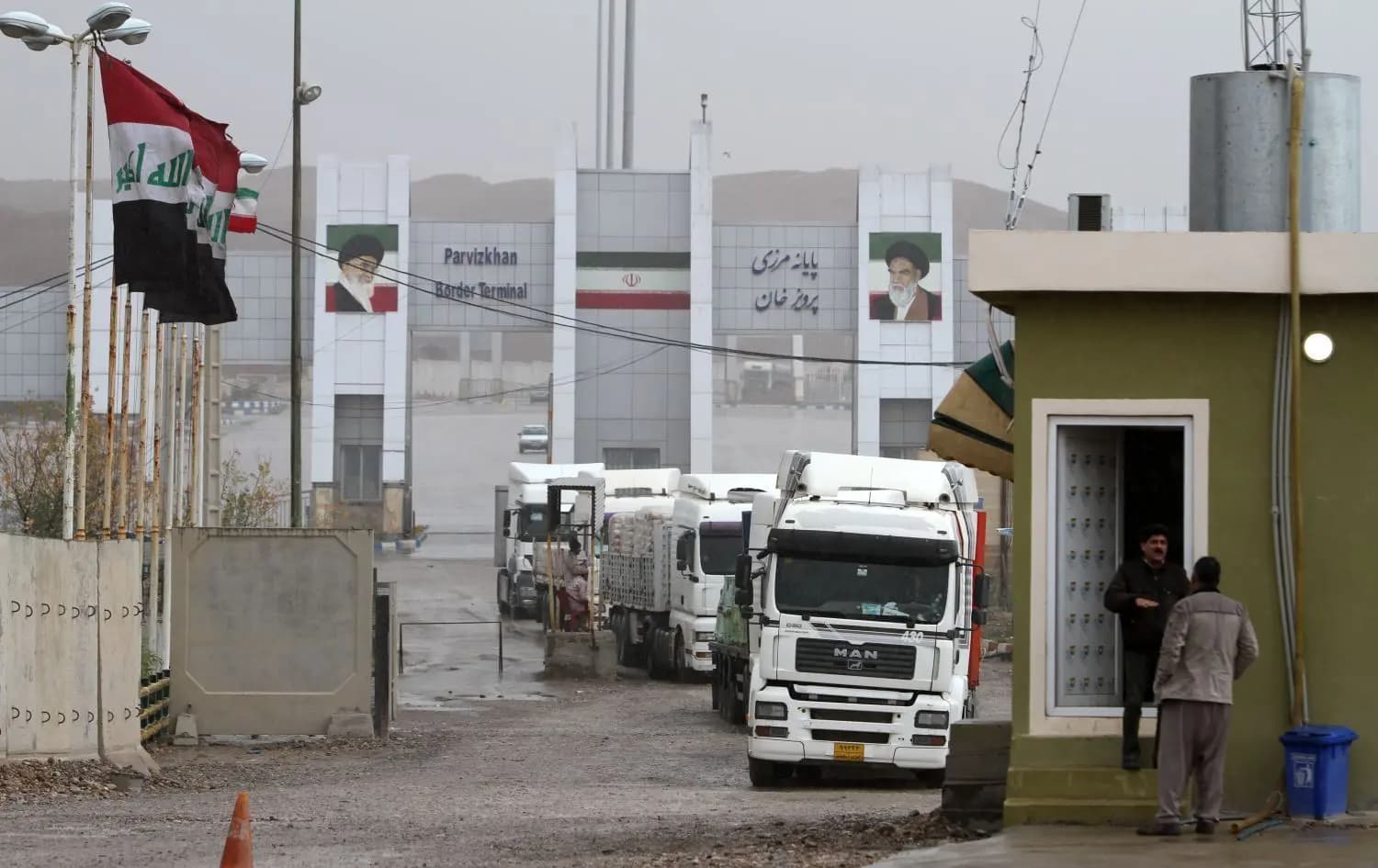
The Iraqi and Kurdish governments have held numerous meetings regarding the UN-developed system at the Kurdistan Region’s border crossings with Iran and Turkey. While the system has been in use at federally controlled border crossings for months, Erbil insisted that its implementation in the Kurdistan Region be carried out through its own institutions. The two sides recently reached an initial agreement.
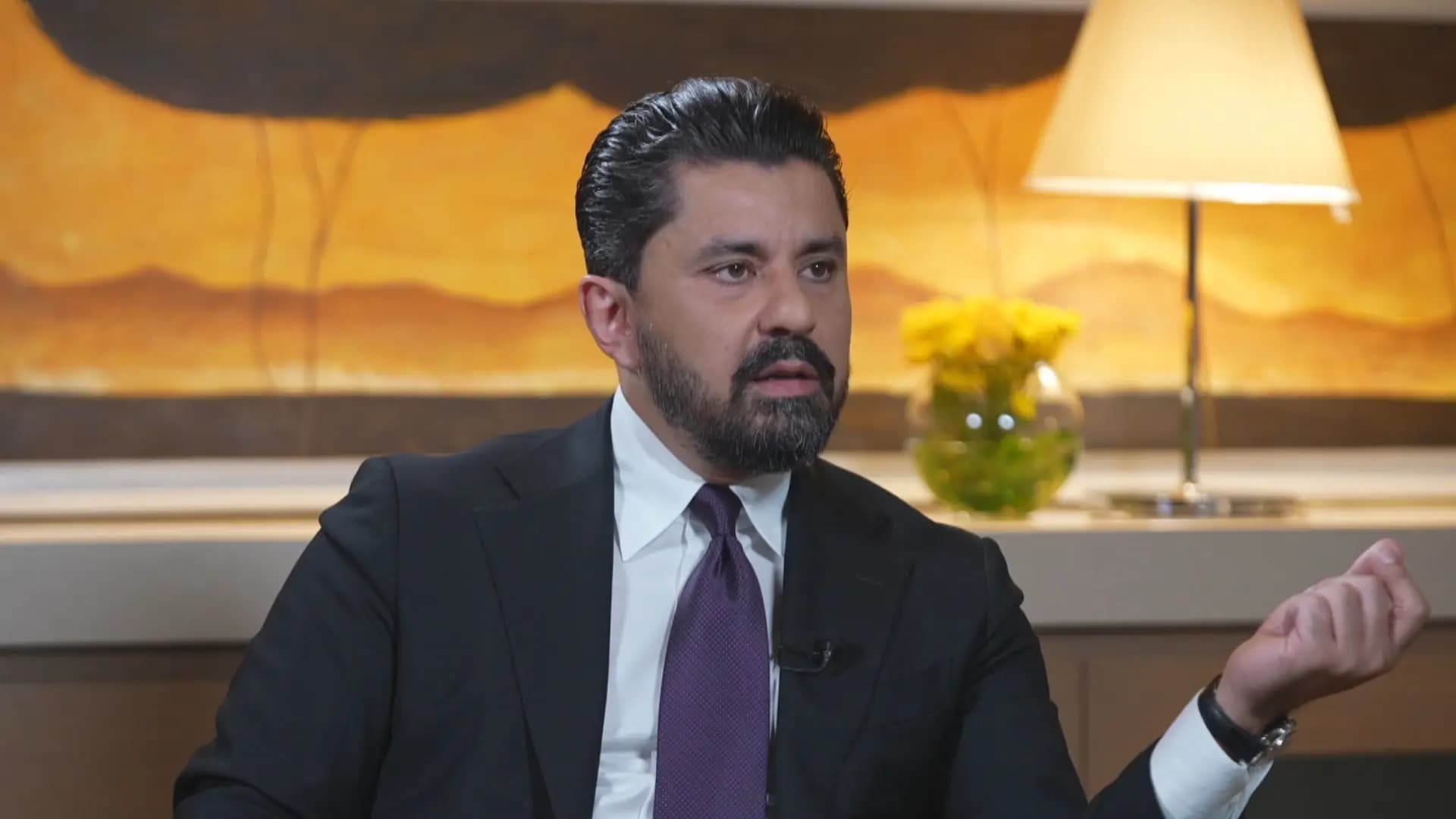
Director General of Iraqi Customs Samer Qasim told Rudaw on Saturday that, following the agreement with the Kurdistan Region, the ASYCUDA system will be launched across the Region’s border crossings in August.
"At the beginning of July, the minutes of the agreement will be presented to the Ministerial Council for Economy in order to approve the implementation roadmap," Qasim said, adding that practical procedures, such as training employees, will begin in August.
“We expect training for employees and the practical procedures of the system to begin at the Kurdistan Region's border crossings at the start of next August. This is a historic step toward unifying customs operations and preventing violations.”
ASYCUDA, an electronic customs platform developed by the United Nations Conference on Trade and Development (UNCTAD) in the early 1980s, digitizes and standardizes customs procedures. The system is currently used at all 22 federal border crossings in Iraq.
To facilitate its adoption in the Kurdistan Region, officials from the Kurdistan Regional Government (KRG) and the Iraqi General Commission of Customs signed a 16-point Letter of Agreement in Baghdad on Thursday, resolving months of outstanding issues related to the management of international trade through the Region’s border crossings.
The agreement aims to align customs procedures between the Kurdistan Region and the federal government.
According to Qasim, the implementation comes as Baghdad continues a broader overhaul of its border crossing system.
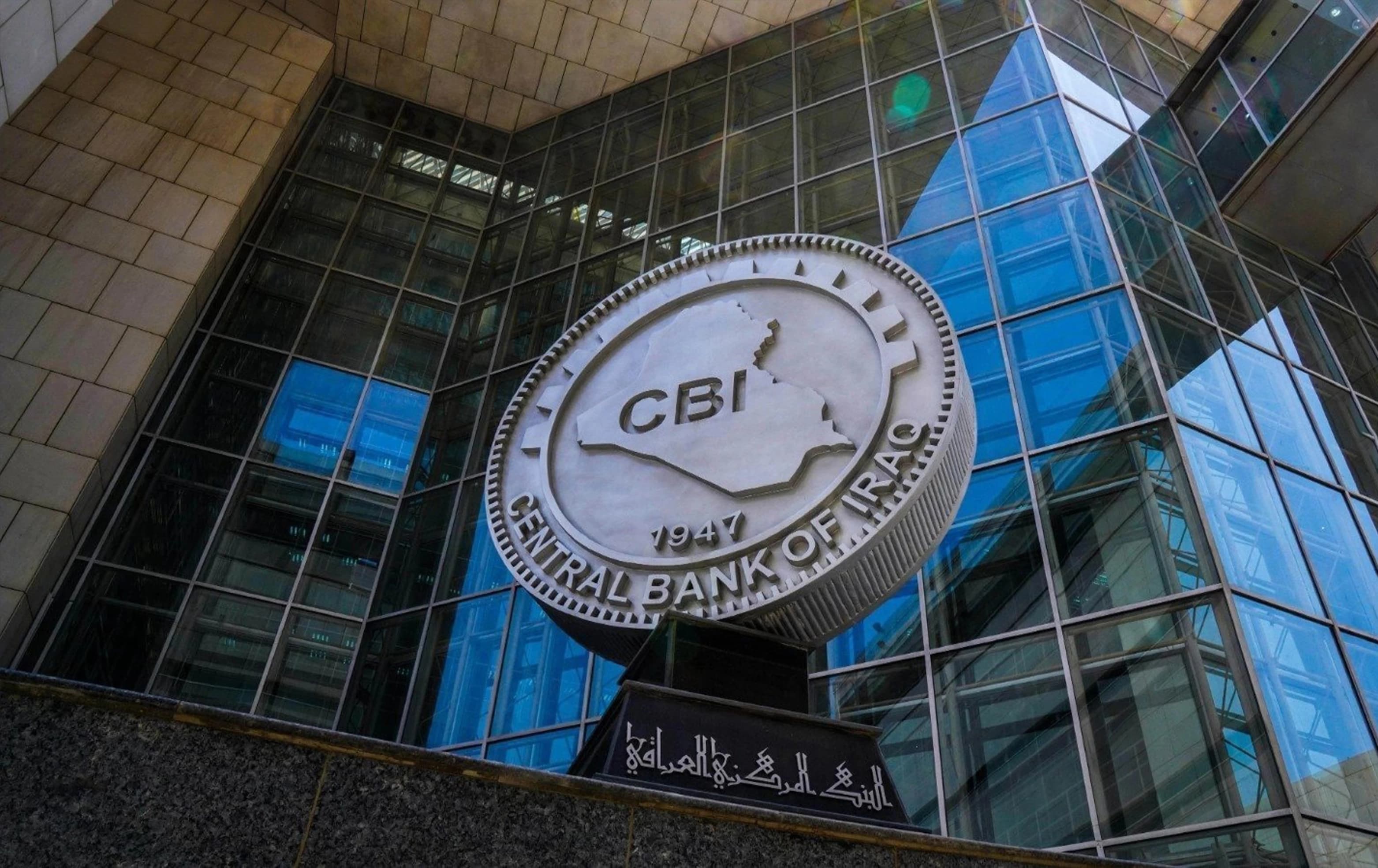
Under the system, merchants will be required to obtain federal approval and pay customs duties before importing goods. They will also gain access to US dollars at the official exchange rate set by the Central Bank of Iraq, allowing them to purchase goods abroad at rates lower than those available on the parallel market.
Malik Mohammed contributed to this article.