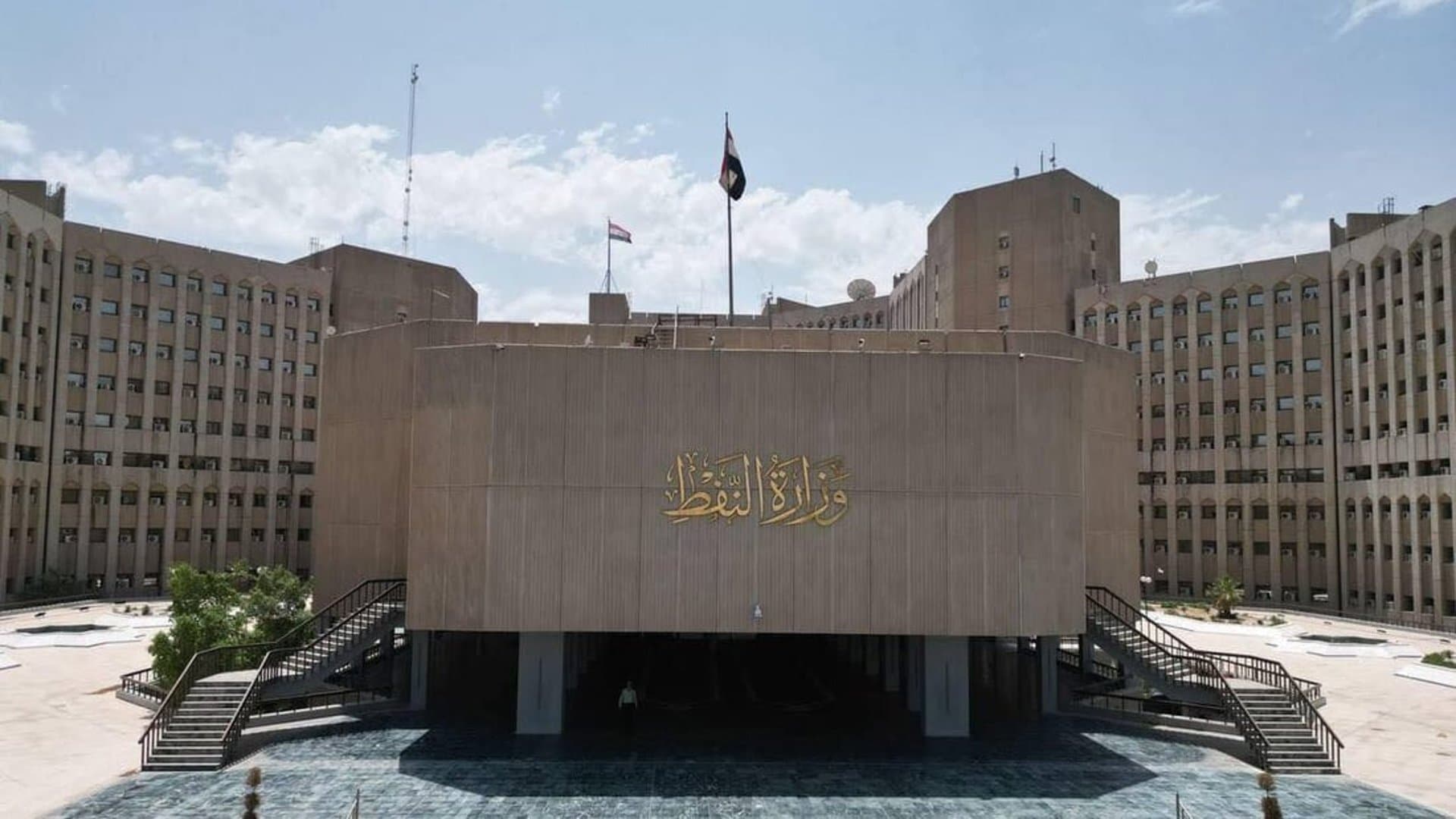

ERBIL, Kurdistan Region - Iraq plans to gradually boost its oil exports to over three million barrels per day (bpd) in two months, the oil ministry announced Saturday, as the country’s exports have faced declines following the outbreak of the US-Israeli war against Iran that began in late February.
"The ministry has a plan to gradually increase crude oil production in a manner that aligns with boosting export capacity and returning the situation to its pre-war state," Salim al-Rukabi, spokesperson for the Iraqi oil ministry, told Rudaw.
Also, based on a document obtained by Rudaw, officials at the Rumaila oil field in oil-rich southern Basra province have requested to increase oil production by 200,000 bpd, from 350,000 to 550,000 bpd.
Iraq exports nearly 90 percent of its oil through its southern ports, with its monthly capacity averaging 92 million barrels.
However, the country’s output has plummeted to historic lows since February 28, crashing to 10 million barrels in April. The date corresponded to the US and Israel launching a large-scale military campaign against Iran, sparking a regional conflict that lasted for nearly six weeks before Washington and Tehran agreed to a Pakistani-brokered agreement in April.
During the war and after the ceasefire, both the US and Iran have maintained tit-for-tat restriction in the Strait of Hormuz, through which more than one-fifth of global energy supplies pass.
On Monday, the warring countries signed a memorandum of understanding to extend the ceasefire by 60 days while enabling negotiations over lingering issues.
Drastic declines have also been attributed to international oil companies (IOCs) halting or reducing production as a precautionary measure during the conflict.
But Rukabi said, "Most companies, particularly Chinese ones, have remained in their locations. Any company that has completed its production-related technical work has already begun restarting the production process."
Last week, Baghdad and Erbil reached an agreement to develop security plans to protect oil companies operating in the Kurdistan Region. Following the US-Iran war, the Region came under hundreds of drone and missile attacks by Iran and its allied armed groups in Iraq.
Based on Rudaw’s tracking, the Kurdistan Region has been hit by at least 865 drones and missiles between late February and last week, with IOCs being one of the targets.
The war has also pushed Baghdad to increase its overland exports, including through the Iraq-Turkey pipeline, which goes through the Kurdistan Region to Turkey’s Ceyhan port.
Rukabi told Rudaw last week that the overall production for Erbil and Baghdad stands at 1.5 million bpd.
Gashaw Khalid contributed to this article.