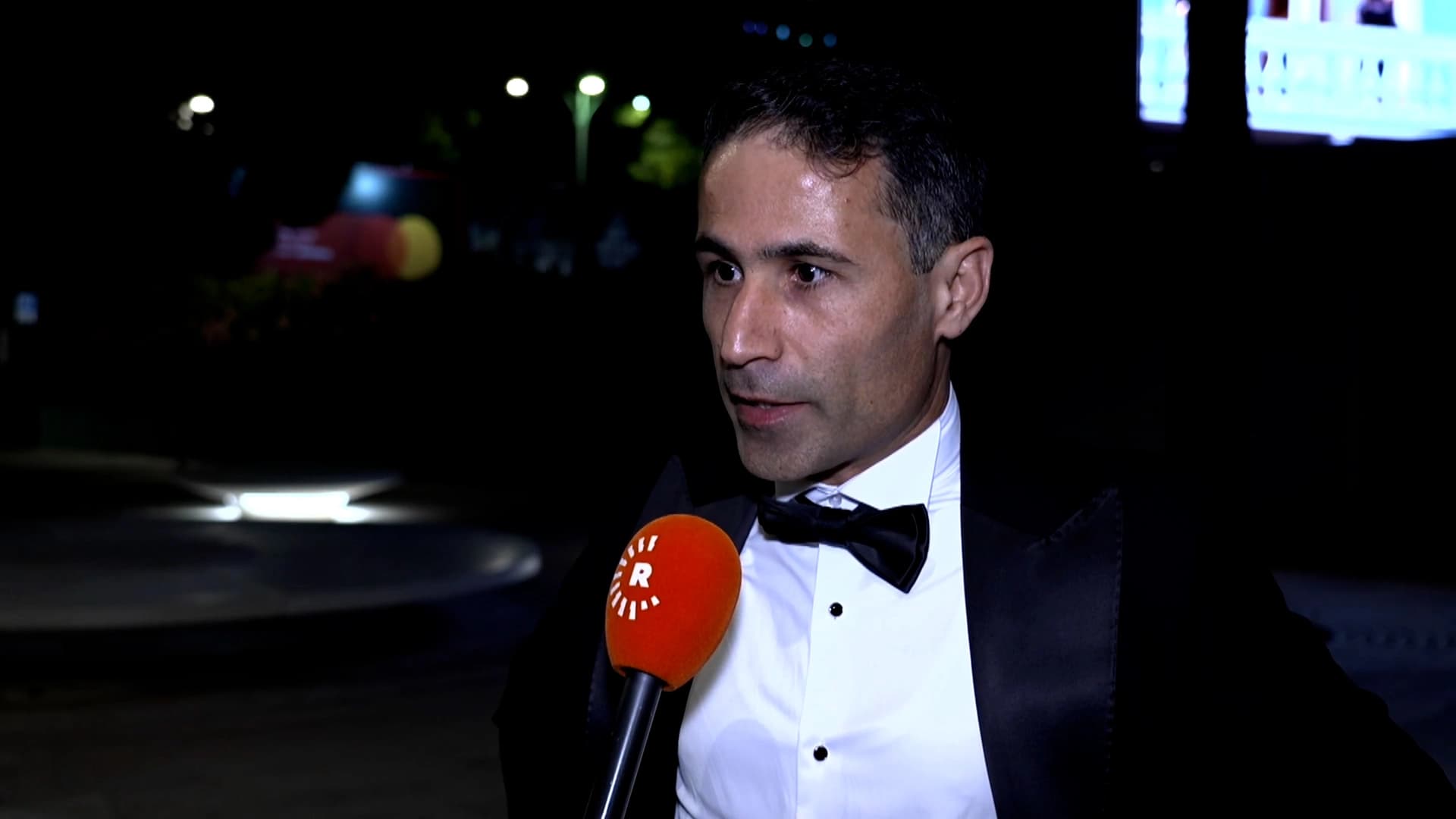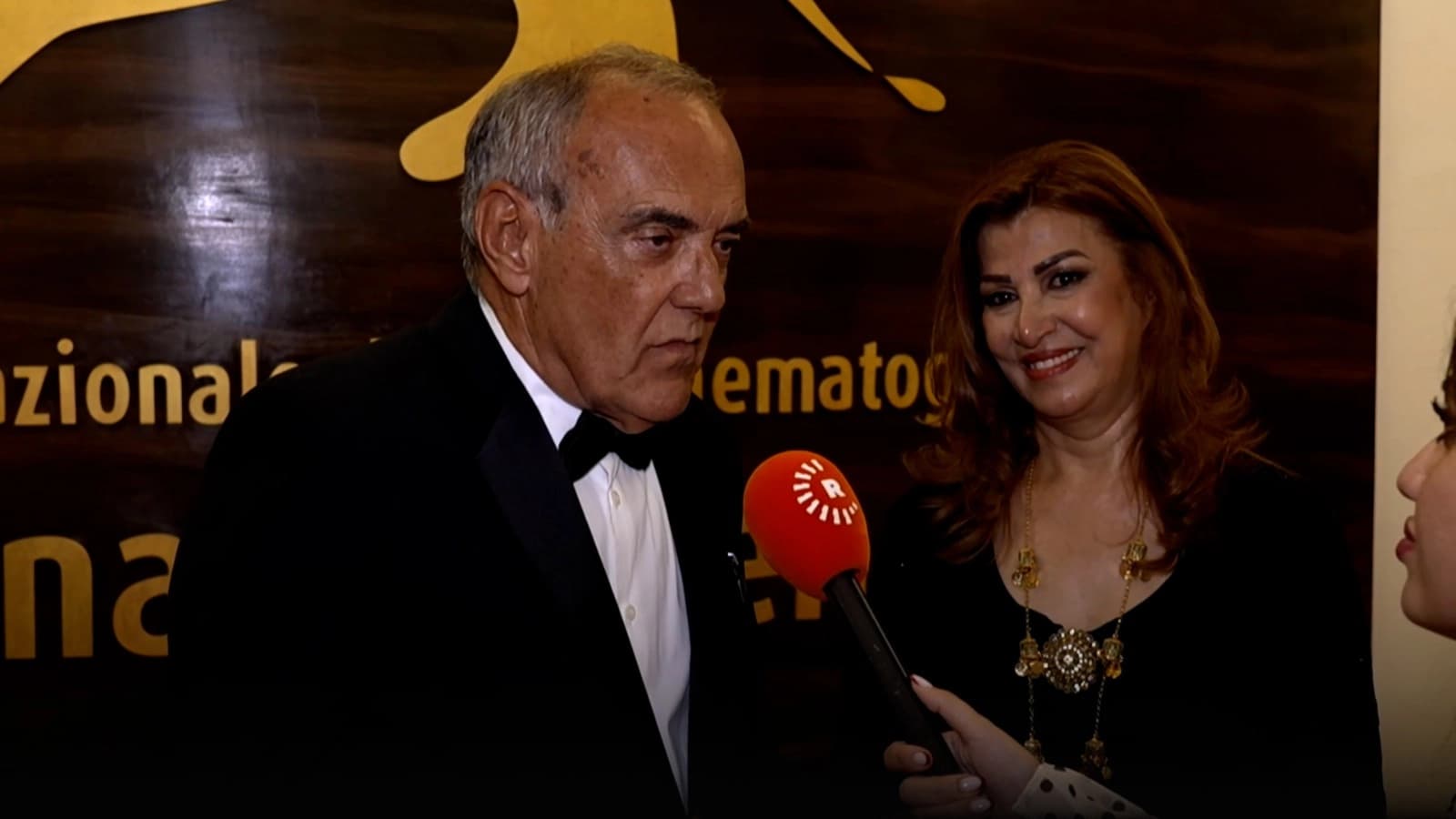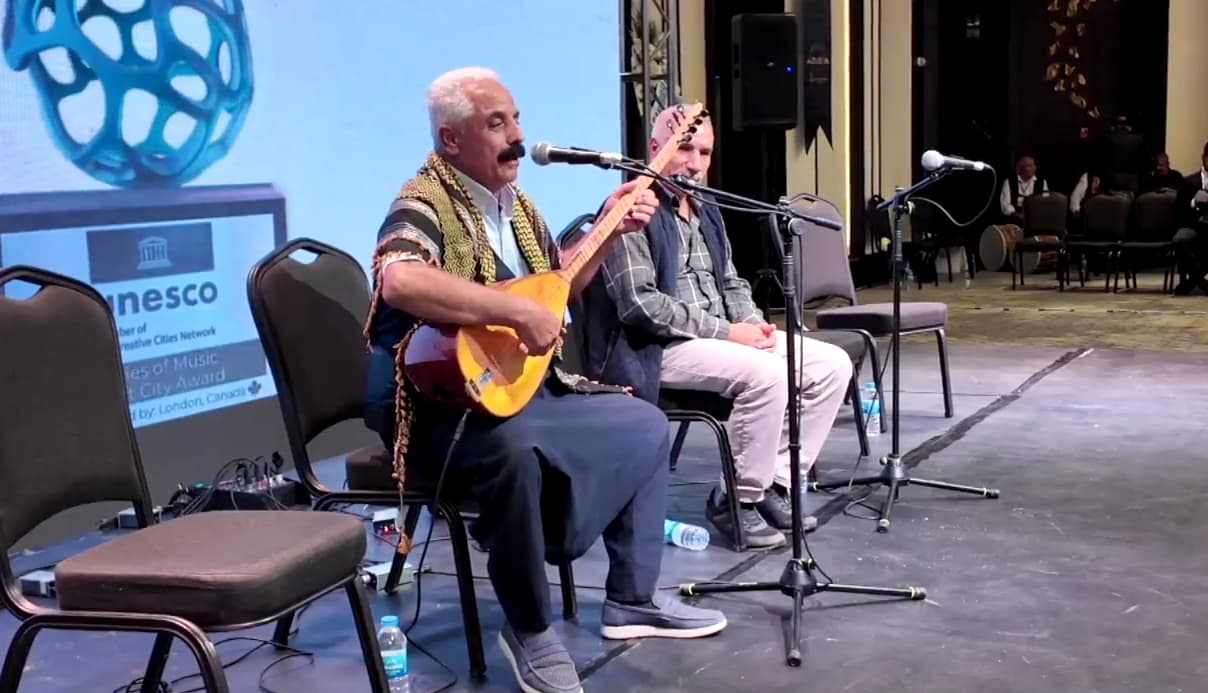

ERBIL, Kurdistan Region - Artists and musicians from 30 countries gathered in Riha (Sanliurfa) on Wednesday for the final day of UNESCO’s three-day Music Cities Convention in southeastern Turkey.
Riha “has a very distinct, long-established musical heritage, and so it was an easy application to approve,” Jacob Wagner, the UNESCO Cities of Music Coordinator, told Rudaw’s Mashalah Dekak.
While Riha was designated by UNESCO as the City of Music in 2023, the 2026 gathering marks the first time the Kurdish-majority city hosts the Music Cities Convention.
The Music Cities Convention is the world's largest international conference exploring how music, culture, and urban planning intersect to shape better cities.
As a major hub for Kurdish culture, Riha boasts a long-held musical Dengbej tradition - unaccompanied or lightly accompanied vocalists who recite long-form Kurdish oral histories, epics, tragedies and love stories.
Musicians, poets, and community members gather in traditional stone courtyards to perform high-pitched Kurdish modal scales - known as maqams - recite poetry, and discuss philosophy.
Goran Beus, the head of the Croatian delegation at the event, expressed his admiration for the artistic taste of the residents of Riha.
“From my personal experience, I didn’t meet anybody from Urfa who don’t [doesn’t] know how to sing or to play,” he said.
“Congratulations to Sanliurfa for being [the] UNESCO city of Music,” said Almut Wille from Hannover, Germany, which has held the UNESCO City of Music title since 2014.
Riha is the second Kurdish city to be recognized as the City of Music by UNESCO.
Sine (Sanandaj) in western Iran (Rojhelat) was previously designated in 2019 for its rich musical traditions and world-renowned Daf drum - a traditional frame drum - culture that dates back to more than 2,000 years.